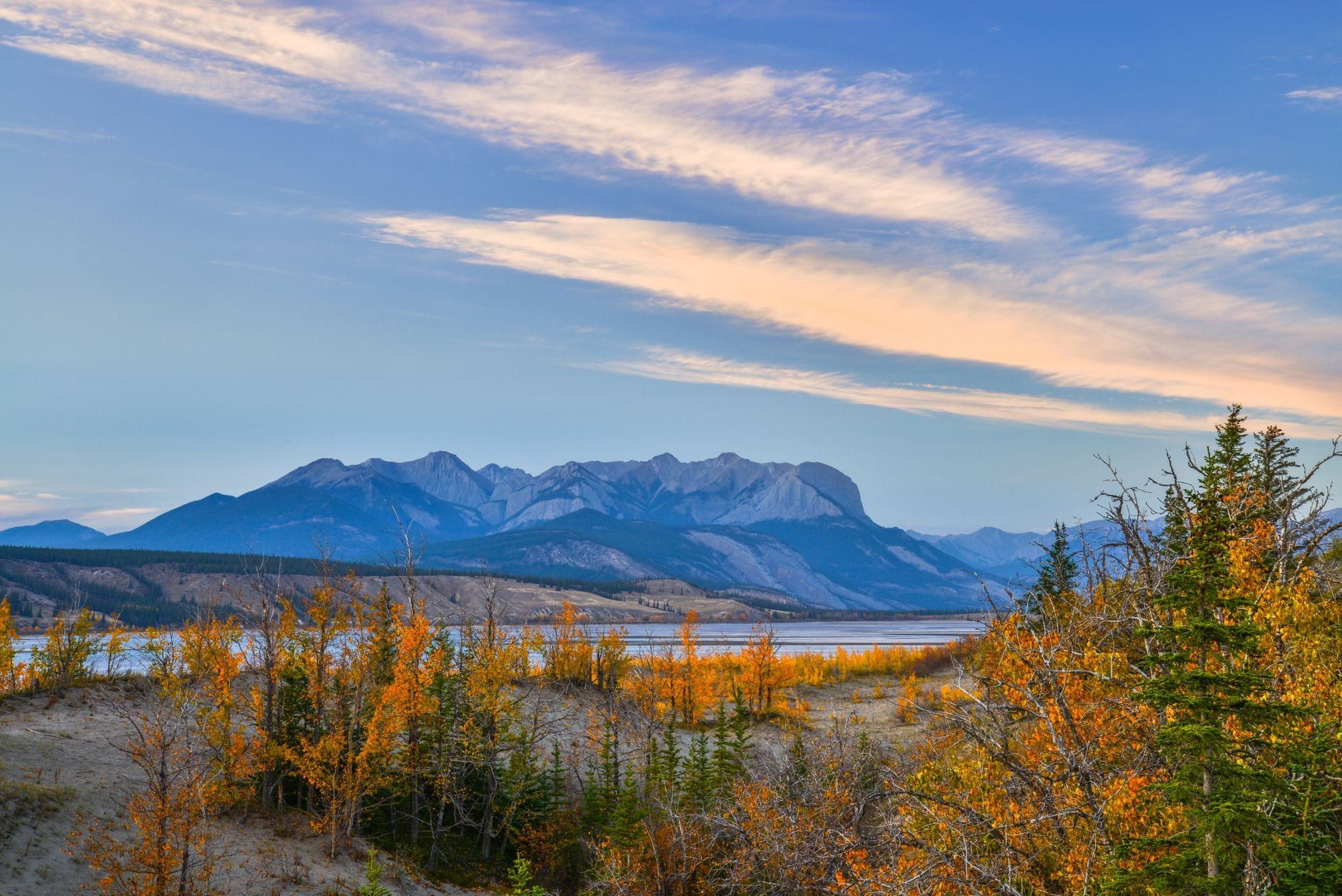
Fall is when Jasper pays you back for the crowds of July. Aspens and willows turn gold along the Athabasca Valley, bull elk bugle from the edge of town, darkness arrives early enough for real stargazing, and hotel rates drop once summer ends. About 80% of the park's roughly two million annual visitors come in June through August — come in September or October and you'll share the same mountains with a fraction of the people.
This guide covers the timing decisions competitors gloss over: when the color actually peaks, how the elk rut works and how close is too close, what's still open in late season, and a two-day plan built around shortening autumn daylight.
Why Visit Jasper National Park in Fall?
Four things change in Jasper after Labour Day, and all of them favor you. The color: aspens, willows and larches turn gold against a forest that stays dark green, with fresh snow starting to line the peaks — gold ribbons rather than a full blaze, which is exactly what makes the photographs work. The elk rut: from early September, bugling echoes across the valley floor and harems move through the townsite itself. The skies: Jasper protects over 11,000 km² of night as the world's second-largest dark-sky preserve, and fall's early nightfall turns stargazing from a midnight project into an after-dinner one.
The price and the peace: lodgings and activities often drop rates after peak summer, trailhead parking is free of the July scrum, and you can have Maligne Canyon's bridges nearly to yourself. If you're weighing fall against other seasons, our season-by-season guide to Jasper breaks the whole year down — but for color, wildlife and darkness in one trip, fall is hard to beat.
When to Go: Fall Color Timing, September vs October
Color starts high and works down. Larch needles begin turning in the last two weeks of August on the Skyline Trail's climb toward Shovel Pass Lodge — the lodge itself shuts after the first weekend of September, a reminder that the alpine season ends fast. In the valley, aspens and willows peak roughly mid-September to early October. By mid-to-late October most leaves are down and snow replaces them.
Set expectations before you book. Jasper's forest is mostly evergreen fir and spruce, so autumn here is a gold-accent landscape among conifers — glowing groves against dark green and white summits — not a New England canopy of red and orange. Travelers argue the timing endlessly: some report both color and rut at their best in the first two weeks of October, while others find the leaves largely gone by then and favor September. A hard frost or a windy day can strip the valley early, and there's no fixing that after the fact.
My call: the last week of September through the first days of October is the window that targets everything at once — valley color, peak bugling, mild-enough days and most attractions still running. Come later and you're betting on luck; come mid-October and you're coming for snow, silence and stars, which is a different (also good) trip.
| September | October | |
|---|---|---|
| Valley color | Building; peaks mid-month | Early October can still glow; mostly down by mid-month |
| Typical daytime highs | Around 10°C | Cooler, trending toward single digits |
| Elk rut | Building; peaks late September | Strong first week, winding down by the 15th |
| Crowds | Thin after Labour Day weekend | Quietest of the year |
| What's open | Nearly everything | Services taper; Miette to mid-month, campgrounds to mid-late October |
| Night sky | Real darkness returns | Long nights; Dark Sky Festival |
Fall Weather in Jasper and What to Pack
Early fall still delivers days around 10°C (50°F) — genuinely pleasant for hiking. Nights drop to near freezing in September, and by November overnight lows slide into single digits Fahrenheit. That puts fall in the comfortable middle of Jasper's range, which swings from -30°C winter lows to summer highs in the low 30s Celsius. The peaks get their first dusting of snow during the season; the Jasper SkyTram's upper station on Whistlers Mountain was already snow-covered in early October on a recent fall visit, so expect winter conditions up high while the valley is still gold.
This is why hikers love it: cool days, almost no bugs, and far less wildfire-smoke risk than midsummer. The trade-off is trail condition. Shaded sections ice up on October mornings, and anything above 2,000 m can be snow-dusted from late September. Wear waterproof boots with real grip, and carry traction if you're headed high.
- Layers for a 0–15°C swing across a single day
- Insulated jacket and a waterproof shell
- Waterproof boots with grip for icy patches
- Hat, gloves and a headlamp — dark by dinnertime
- Bear spray on every trail, not just backcountry ones
One more: ticks are active in the park from April through November, so do a quick check after grassy or wooded walks.
Best Things to Do in Jasper in Fall
Every pick below earns its place with a fall-specific reason — color, mirror-still water, fresh snow on the ridgeline, or an empty trailhead parking lot.
Fall Hikes With the Best Color
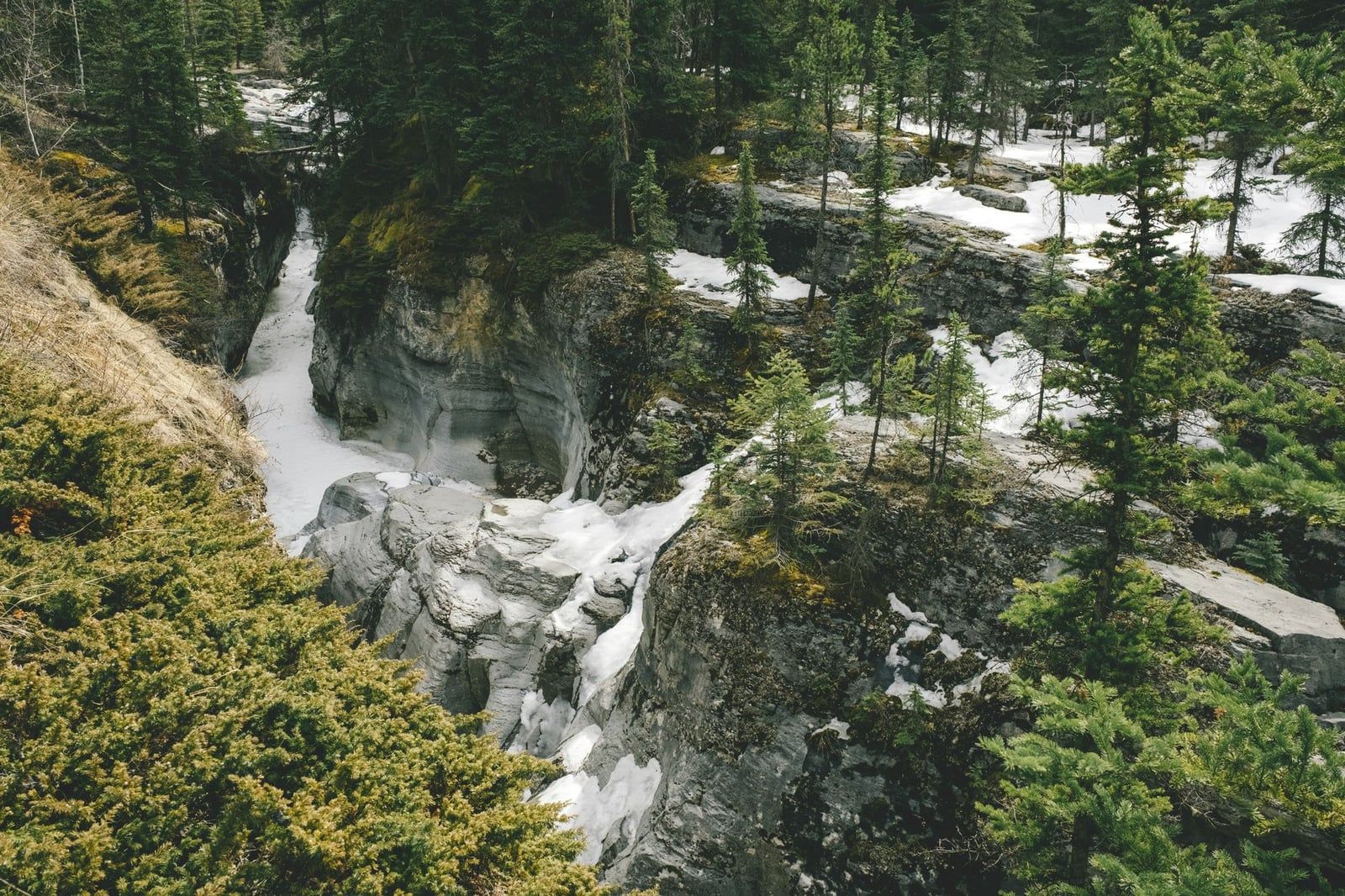
Valley of the Five Lakes is the easy-to-moderate classic: five small lakes, each a different shade of blue-green, all of them doubling the aspen color in their surfaces. Maligne Canyon, 11 km from town, is a limestone gorge up to 50 m deep crossed by a chain of footbridges — the willows along the rim go gold and the crowds that pack it in July are gone. For a short climb with the valley's color laid out below you, Old Fort Point sits right above the townsite and takes under an hour round trip.
Want the larches instead? The 45 km Skyline Trail runs alpine terrain above 2,490 m and larch needles turn in late August — but it's a multi-day backpack requiring a $15/person/night backcountry permit booked through reservation.pc.gc.ca, and the window closes when the snow settles in. Cyclists get their own fall season: low-elevation valley trails ride dry and quiet well into October while the high routes go white. Our best hikes in Jasper rundown has full trail details.
Lakes, Canoeing and the Spirit Island Cruise
Pyramid and Patricia lakes, ten minutes from downtown, are the best color in the park — golden aspen groves reflected under an early-snow Pyramid Mountain. Rent a canoe and go out in the first hours of daylight, when the water is most likely to be glass; afternoon winds pick up regularly. Lake Annette's paved 2.4 km loop is the flat, stroller-friendly option with the same backdrop.
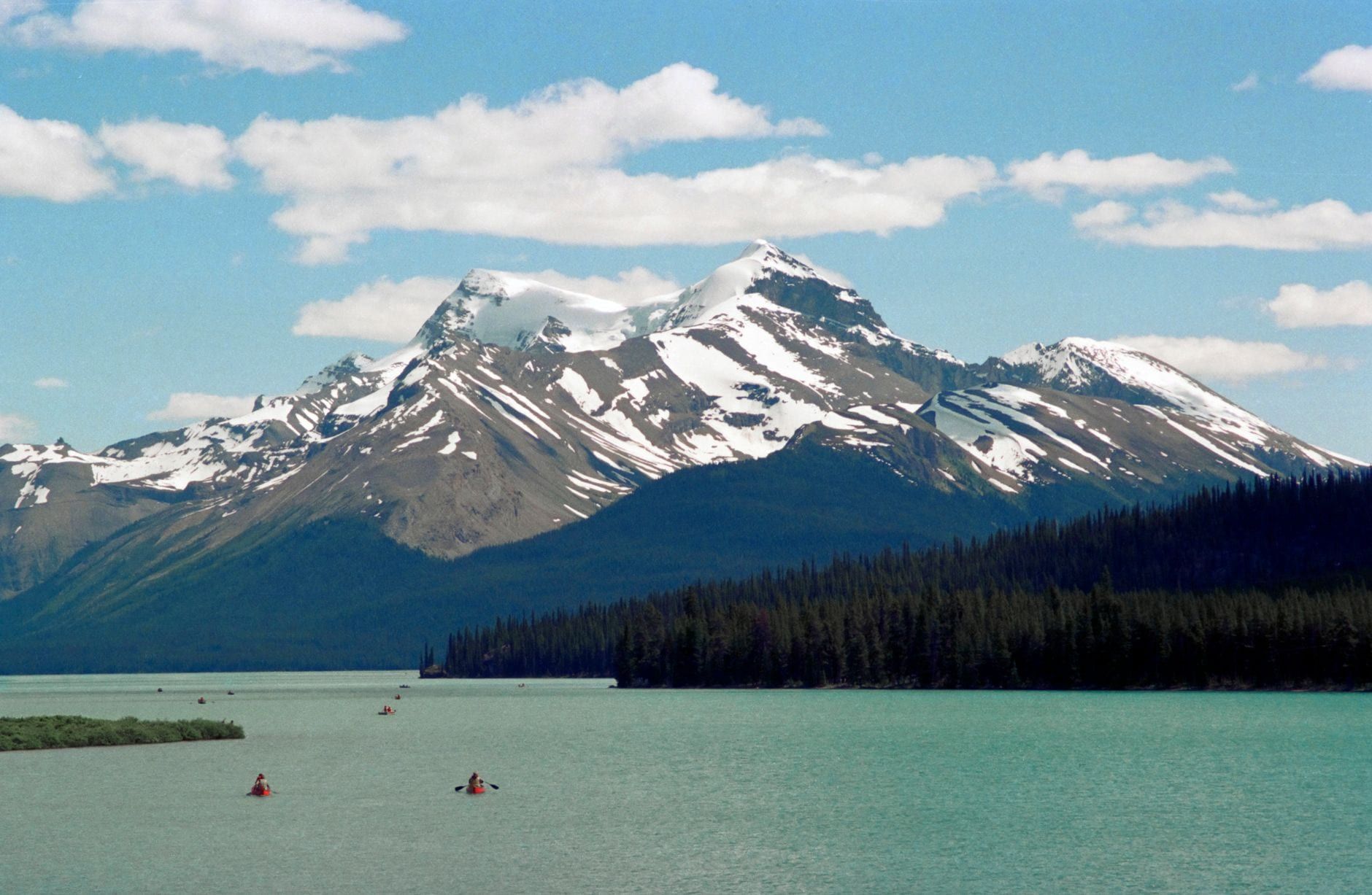
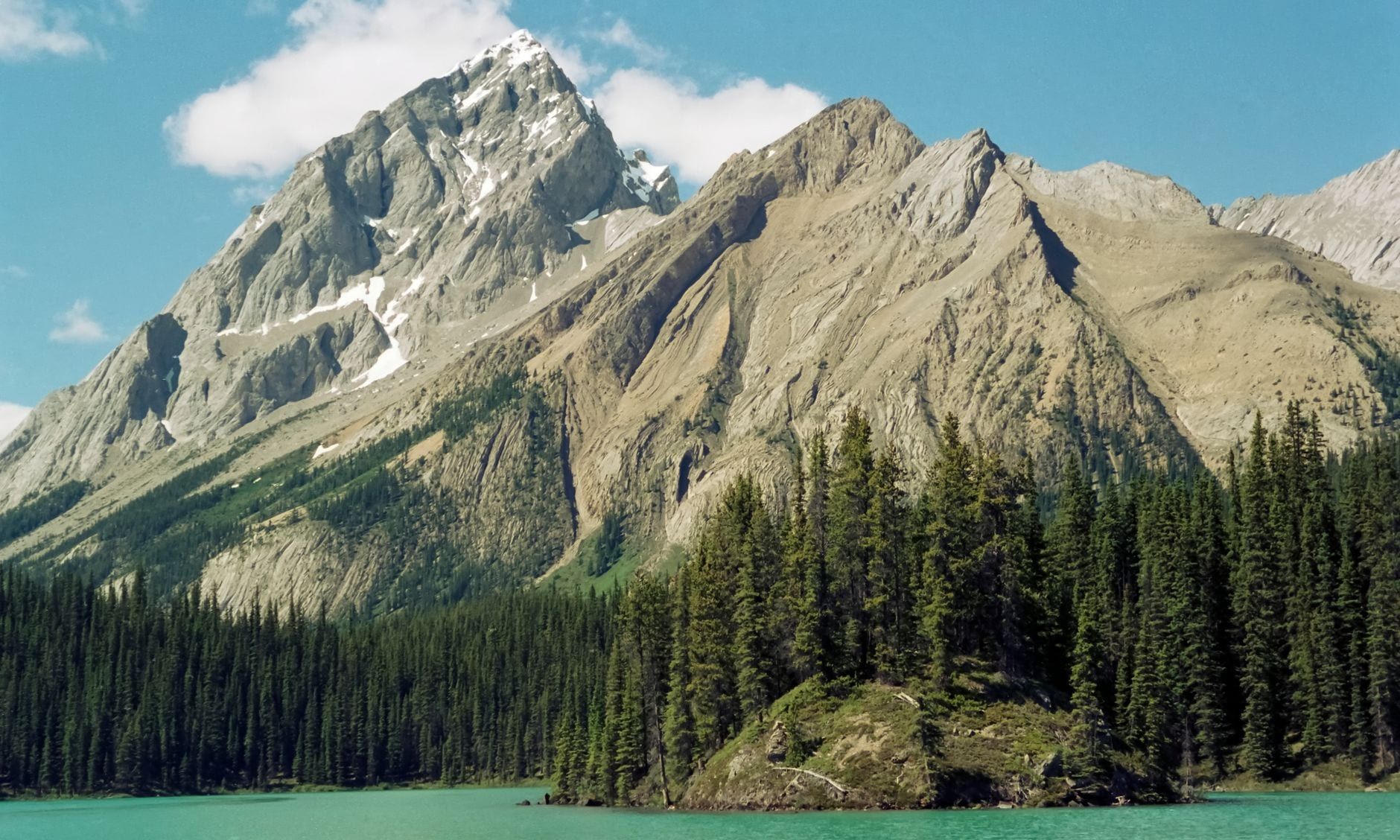
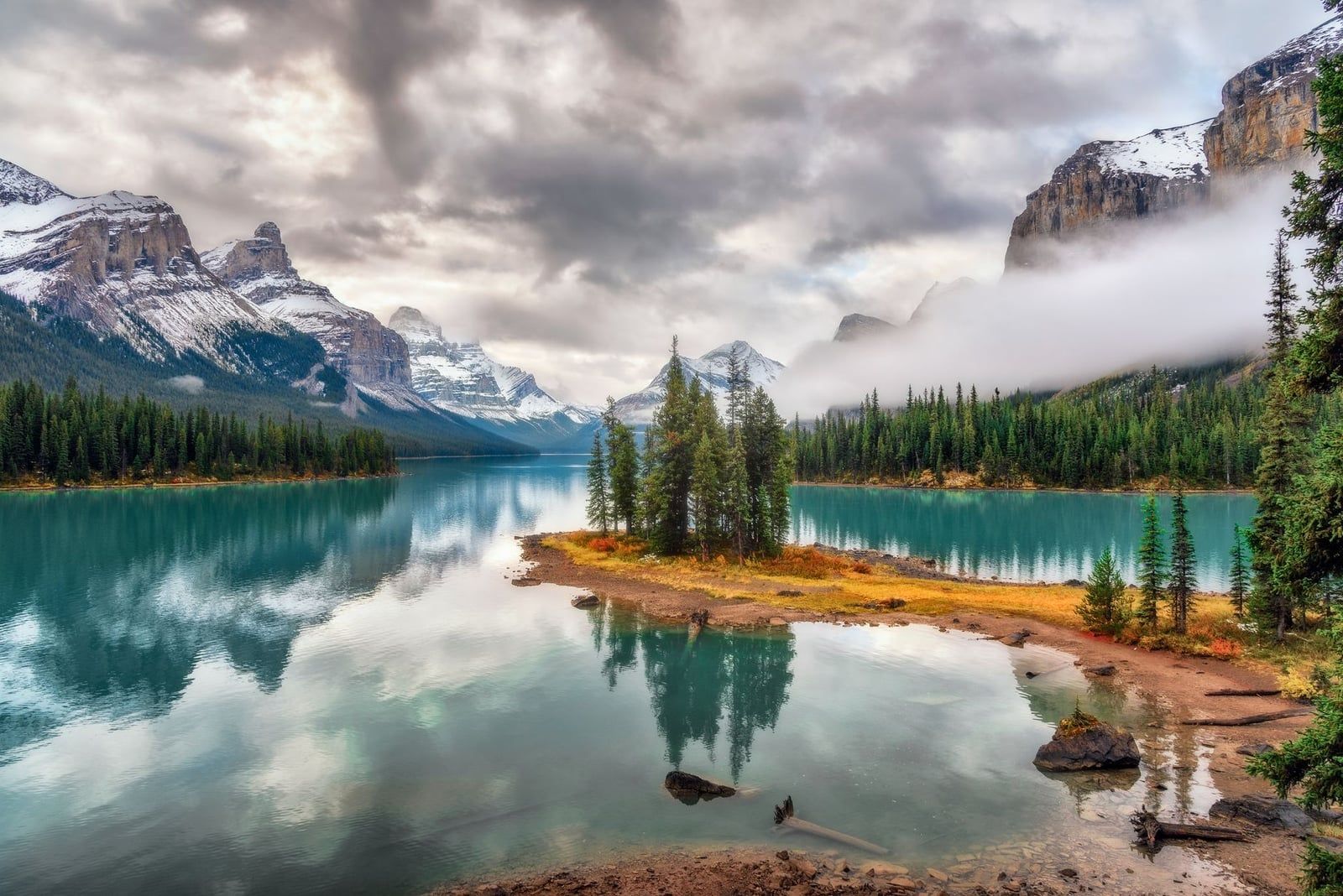
Maligne Lake, 44 km down the winding Maligne Road, is the largest natural lake in the Canadian Rockies, and its boat cruise to Spirit Island keeps running through fall — calm water and mirror reflections are the norm in the shoulder season. Book the first departure of the day for the flattest water and thinnest crowds. Our complete Maligne Lake guide covers cruise options and costs.
Scenic Drives and Viewpoints
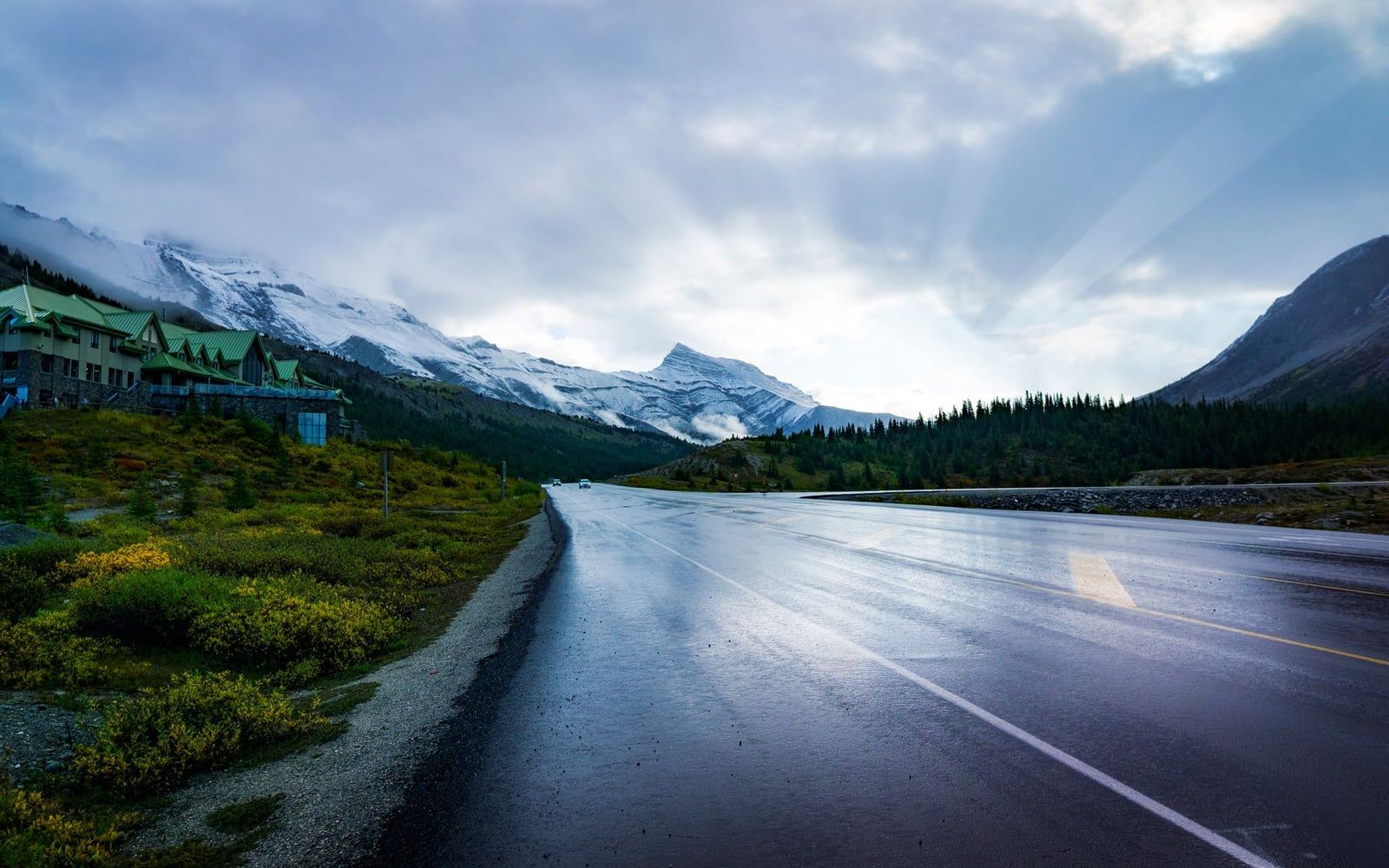
The Icefields Parkway south toward Banff gains a second act in fall: golden valley bottoms below, fresh snow above, and the Columbia Icefield — one of the largest accumulations of ice south of the Arctic Circle — capping the horizon. Athabasca Falls roars year-round 30 km south of town and takes twenty minutes to see. Mount Edith Cavell's Path of the Glacier trail puts you beside the Angel Glacier and a turquoise pond fed by calving ice; the switchbacking Cavell Road is seasonal and closed to trailers, so check it's open before you commit. Our guide to driving the Icefields Parkway lists the stops in order.
In town, the Jasper SkyTram lifts you to 2,263 m on Whistlers Mountain in about seven minutes, with views over six mountain ranges. By early October the summit is snow-covered — bring the warm jacket and grippy boots you packed, and you'll be fine where everyone else in sneakers is sliding.
Soak It Off: Miette Hot Springs
Miette Hot Springs, in the Fiddle Valley 61 km east of town, is the hot finish a cold fall day deserves. These are the hottest mineral springs in the Canadian Rockies — water emerges at 54°C and is cooled to a comfortable 40°C for the soaking pools. The springs stay open until mid-October, and stepping from a 40°C pool into 5°C air is the single most fall-specific pleasure in the park. If an hour's drive each way doesn't fit your day, hotel spas in town cover the same need.
Fall Wildlife: the Elk Rut, Bears and How to Watch Safely
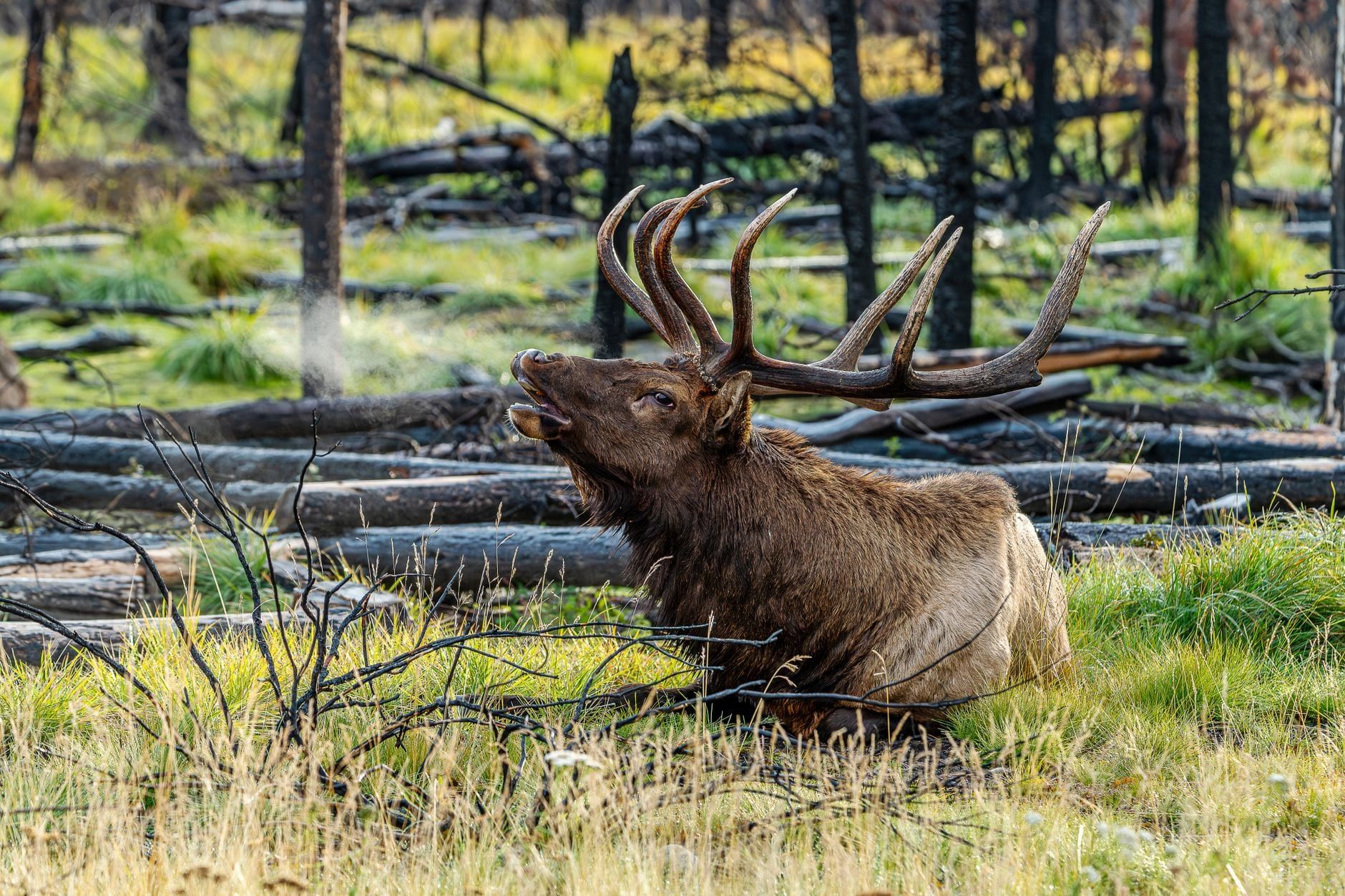
The official rutting season runs September 1 to October 15, and the peak is late September through early October — bugling bull elk are loud enough to echo through the forest, and you'll often hear one before you see it. Bulls gather harems of cows, clash antlers with rivals, and push their groups across meadows and, regularly, straight through the Jasper townsite. It's the most accessible wildlife spectacle in the Rockies, and Parks Canada is blunt about the danger: a bull elk will attack anything that comes too close to him or his mates.
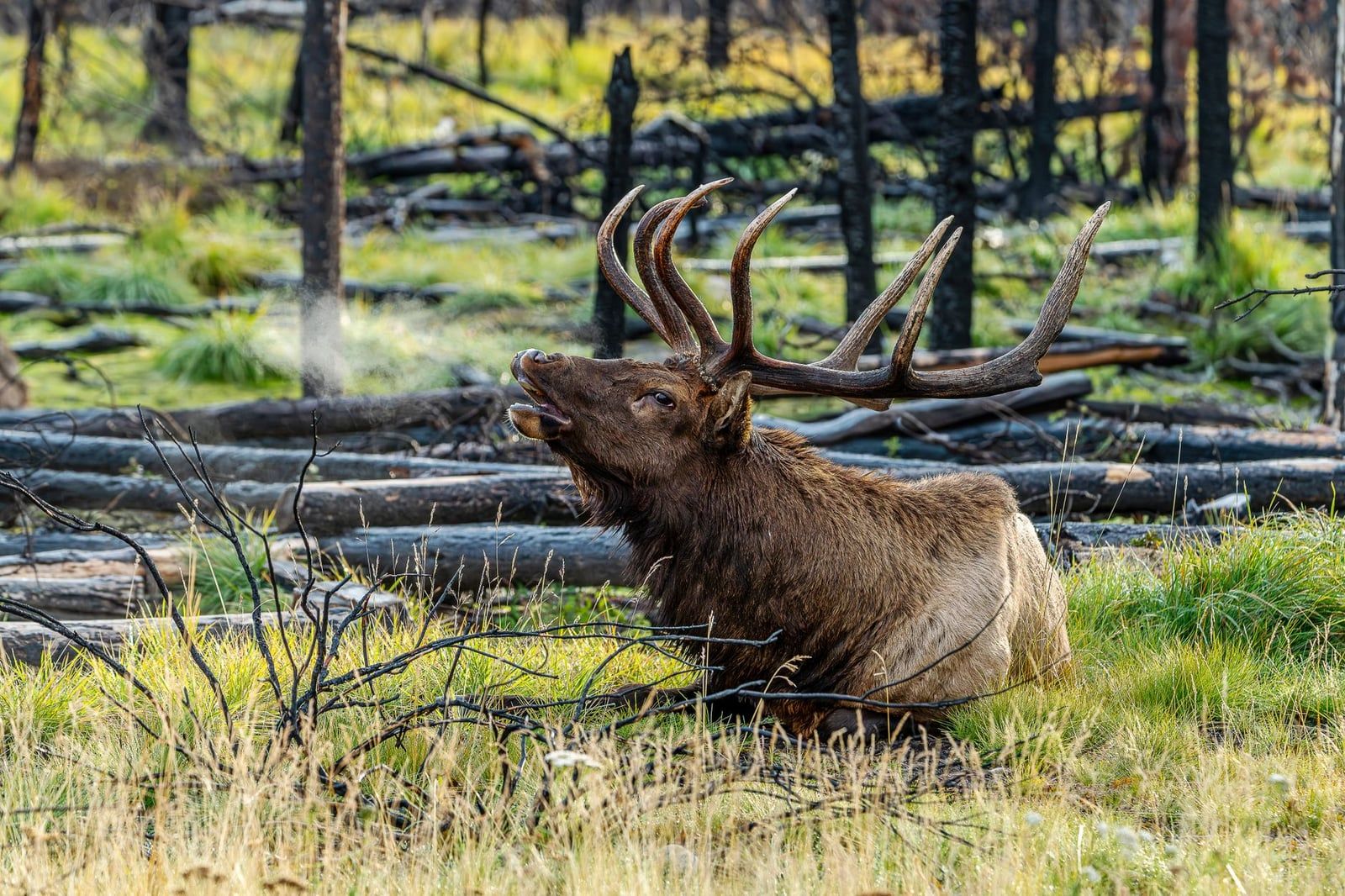
The rules are simple. Keep at least 30 metres from all elk — that's about three bus lengths — and never position yourself between a male and the females. Watch from inside your vehicle when the herd is in town, and be extra alert at dusk, when both elk and people are moving around town and light is failing. Bring the headlamp.
Bears are the other fall story: they're foraging almost nonstop before hibernation, working berry slopes and roadside ditches. Stay 100 metres from bears and other carnivores, carry bear spray where you can reach it (not buried in your pack), and make noise on blind corners. Bighorn sheep and deer also rut through fall, and moose show up around wetlands and lakeshores. If wildlife is the point of your trip, a guided wildlife tour is worth the money — local guides track the herds daily and carry spotting scopes that turn a brown speck across a meadow into an actual animal.
Dark Skies: Stargazing, Northern Lights and the Dark Sky Festival
October is dark sky month in Jasper. The park is the world's second-largest dark-sky preserve — over 11,000 km² of protected night — but in July that hardly matters, because the sky never really goes black. By late September darkness falls before you've finished dinner, and evening temperatures are still bearable. That combination is why the Jasper Dark Sky Festival lands in October every year, with talks, star parties and astrophotography events across the park.
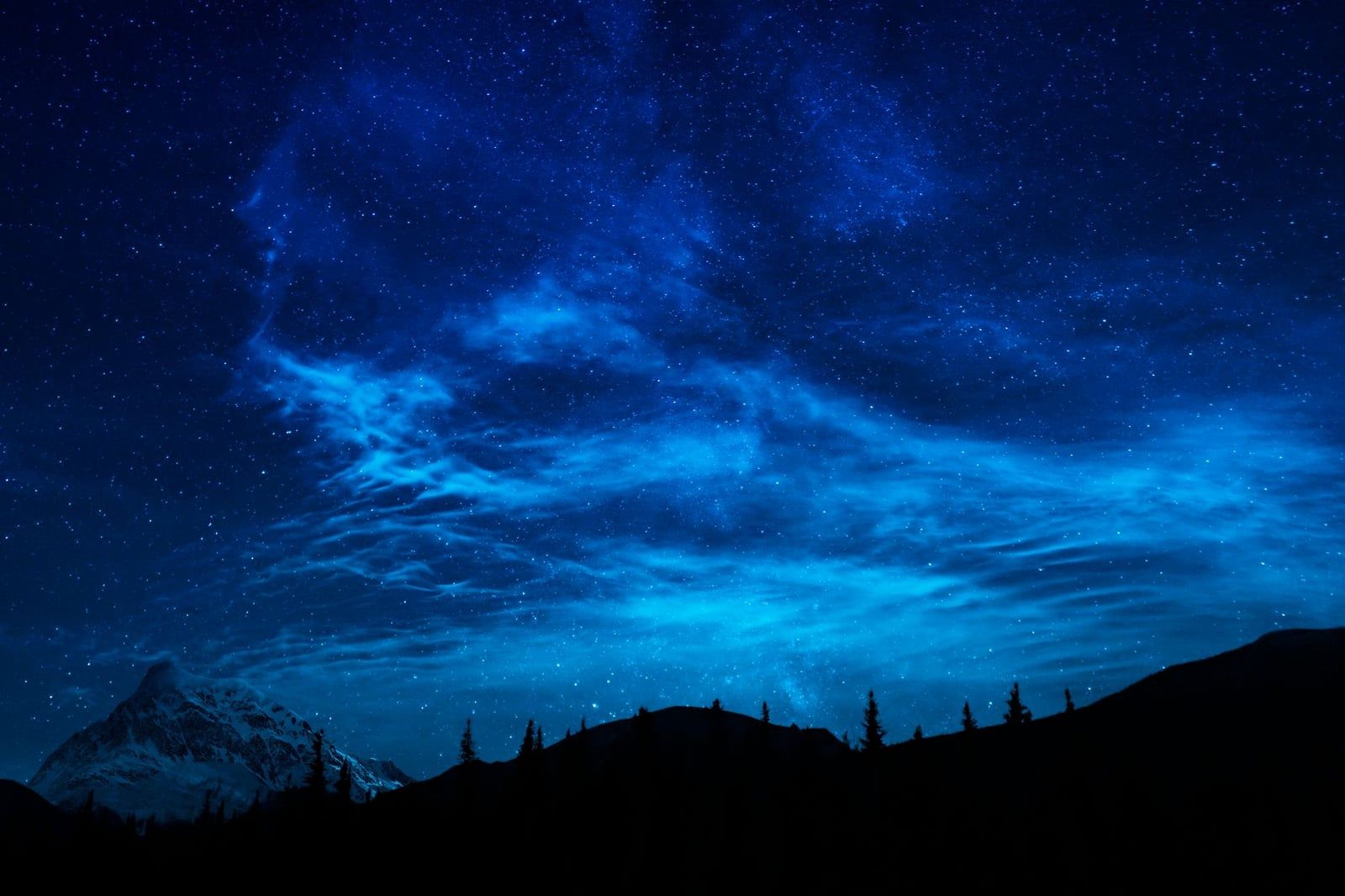
Festival or not, two organized nights are worth booking: the SkyTram's evening 'Sun to Stars' sessions, which put you above the valley haze at 2,263 m, and the planetarium sessions in town for cloudy nights. For the do-it-yourself version, plan around a new moon, drive ten to fifteen minutes out of the townsite's glow — Pyramid Lake, Lake Annette and Maligne Lake are the standard pullouts — and dress as if you're going to stand still outdoors for two hours, because you are. Bring a headlamp with a red-light mode.
On clear, dark fall nights the northern lights are a genuine possibility, not a marketing line. If seeing aurora is a priority for your trip, our guide to the northern lights in Jasper covers forecasting and viewing spots in detail.
What's Open (and When Things Close) in Fall
The pattern is consistent from year to year: high-country operations close first, valley attractions run longer, and everything shrinks after Canadian Thanksgiving in mid-October. Shovel Pass Lodge, high on the Skyline Trail, shuts after the first weekend of September. Miette Hot Springs runs until mid-October. A few of the park's campgrounds stay fully operational until mid-to-late October, while the rest close earlier.
| What | Fall status |
|---|---|
| Miette Hot Springs | Open until mid-October |
| Campgrounds | Several fully operational until mid-to-late October |
| Maligne Lake cruise | Runs through fall; sailings taper in October |
| Columbia Icefield tours | Taper through September into October |
| Shovel Pass Lodge (Skyline Trail) | Closes after the first weekend of September |
| Jasper SkyTram | Runs on a reduced shoulder-season schedule |
Two more things to check before you finalize plans. First, the July 2024 wildfire burned roughly 32,700 hectares and damaged 358 structures in the townsite; most trails and campgrounds have reopened, but hazard-tree removal continues and some areas remain closed, so read the park's current trail reports before you hike. Second, budget the entry fee — $12.25/day per adult, $24.50 for a family vehicle — or skip the lineup using our hours and fees overview. Verify current-season operating dates on the official Parks Canada pages before you book anything; the dates above are the seasonal pattern, not a guarantee.
A Two-Day Fall Itinerary for Jasper
Fall days are short — roughly 12 hours of daylight in September, shrinking fast through October — so this plan front-loads the driving and keeps the dark hours for the sky. Treat the sequence as structure, not a timetable.
Day 1: Townsite Lakes, SkyTram and the Night Sky
Start at Pyramid and Patricia lakes in the early light, when the water is calmest and the aspens glow. Mid-morning, ride the SkyTram up Whistlers Mountain before afternoon cloud builds — the summit boardwalk will likely be under snow, which is the point. Spend the late afternoon at Miette Hot Springs (the 61 km drive east is an easy hour each way) or in a hotel spa if you'd rather not leave town. After dinner, drive out to a dark pullout for stargazing, or catch a Dark Sky Festival event if your dates align.
Day 2: Maligne Valley and the Rut at Dusk
Leave town early and drive the 44 km Maligne Road to the lake for the first Spirit Island cruise of the morning — calmest water, best reflections, fewest people. Work your way back with a stop at the Medicine Lake viewpoint, then walk Maligne Canyon's bridges while the sun is still on the walls. From late afternoon, slow down: dawn and dusk are the wildlife windows, and the elk are most active and most audible as the light drops. Watch from the car, keep your 30 metres, and let the bugling be the last thing you hear in the park.
Bad weather day? Miette Hot Springs, the planetarium and Jasper's restaurants absorb a rainy afternoon without complaint.
Where to Stay in Jasper in Fall (and Cozy Evenings in Town)
Jasper bills itself as the cabin capital of Canada, with roughly 500 cabins around the townsite — many with fireplaces — and a wood stove after a cold day is the fall stay most people picture. In town, the range runs from the Fairmont Jasper Park Lodge at the top end through mid-range hotels to budget suites, and a few campgrounds stay open into mid-to-late October for anyone whose sleeping bag is rated for below-freezing nights.
Book with the calendar in mind. Jasper is a town of about 5,000 people inside a national park, so accommodation is structurally limited — Dark Sky Festival weekends and holiday long weekends sell out, while other fall weeks see prices dip below summer rates. The earlier you commit to a festival stay, the better. Our where to stay in Jasper guide breaks down the neighborhoods and property types.
Evenings close the loop. Jasper's restaurants lean into autumnal menus as the temperature drops, Evil Dave's Grill is the dependable special-occasion table, and Jasper Brewing Co. pours its beer about as locally as beer gets. Then find a fireside lounge, order something dark, and plan tomorrow around the daylight you have.
Frequently asked questions
When is peak fall color in Jasper National Park?
Valley aspens and willows peak roughly mid-September to early October. Alpine larches turn earlier — from late August on high routes like the Skyline Trail — and by mid-to-late October most leaves are down and snow is on the peaks.
Does Jasper have good fall foliage?
Yes, but expect golden accents rather than a full red-orange canopy. Jasper's forest is mostly evergreen fir and spruce, so the aspens, willows and larches provide the color against dark green, with early snow on the peaks adding contrast.
When is elk rutting season in Jasper?
Officially September 1 to October 15, with peak bugling in late September and early October. Keep at least 30 metres from elk and never get between a bull and his cows — Parks Canada warns that rutting bulls will charge anything that comes too close.
Can you camp in Jasper in October?
Some Parks Canada campgrounds remain fully operational until mid-to-late October, but nights are below freezing by then, so bring a true cold-weather sleep system rather than summer gear.
What's open in Jasper in October, and what closes?
Miette Hot Springs stays open until mid-October, several campgrounds run to mid-to-late October, and the Maligne Lake cruise and Columbia Icefield tours taper through the month. High-country facilities close earliest. Confirm current-season dates on official pages before booking.
What's the weather like in Jasper in the fall?
Early fall delivers days around 10°C (50°F), with nights near freezing in September and overnight lows sliding into single digits Fahrenheit by November. The peaks pick up their first snow of the season during fall, so high trailheads can be winter conditions while the valley is still mild.
Can you see the northern lights in Jasper in fall?
Yes. Jasper is the world's second-largest dark-sky preserve, and September and October combine long nights with tolerable evening temperatures. On clear, dark nights — especially around a new moon — aurora is a realistic possibility.
When is the Jasper Dark Sky Festival?
Every October, which is dark sky month in the park. Programming includes stargazing sessions, talks and events like the SkyTram's Sun to Stars evening; book accommodation well ahead for those weekends.
Sources
- parks.canada.ca/pn-np/ab/jasper/activ/experience/automne-fall
- parks.canada.ca/pn-np/ab/jasper/securite-safety/faune-wildlife/wapiti-elk
- parks.canada.ca/pn-np/ab/jasper/gestion-management/designation/cieletoile-darksk
- parks.canada.ca/pn-np/ab/jasper/visit/tarifs-fees
- jasper.travel/fall
- en.wikipedia.org/wiki/Jasper_National_Park
- en.wikipedia.org/wiki/2024_Jasper_wildfire
- travel.destinationcanada.com/en-us/things-to-do/alberta-fall-colours