About All Tours Audio Driving ToursWildlife ToursBoat ToursHiking ToursRiver Rafting Tours Directions Hours & Fees Guides
Find Tours 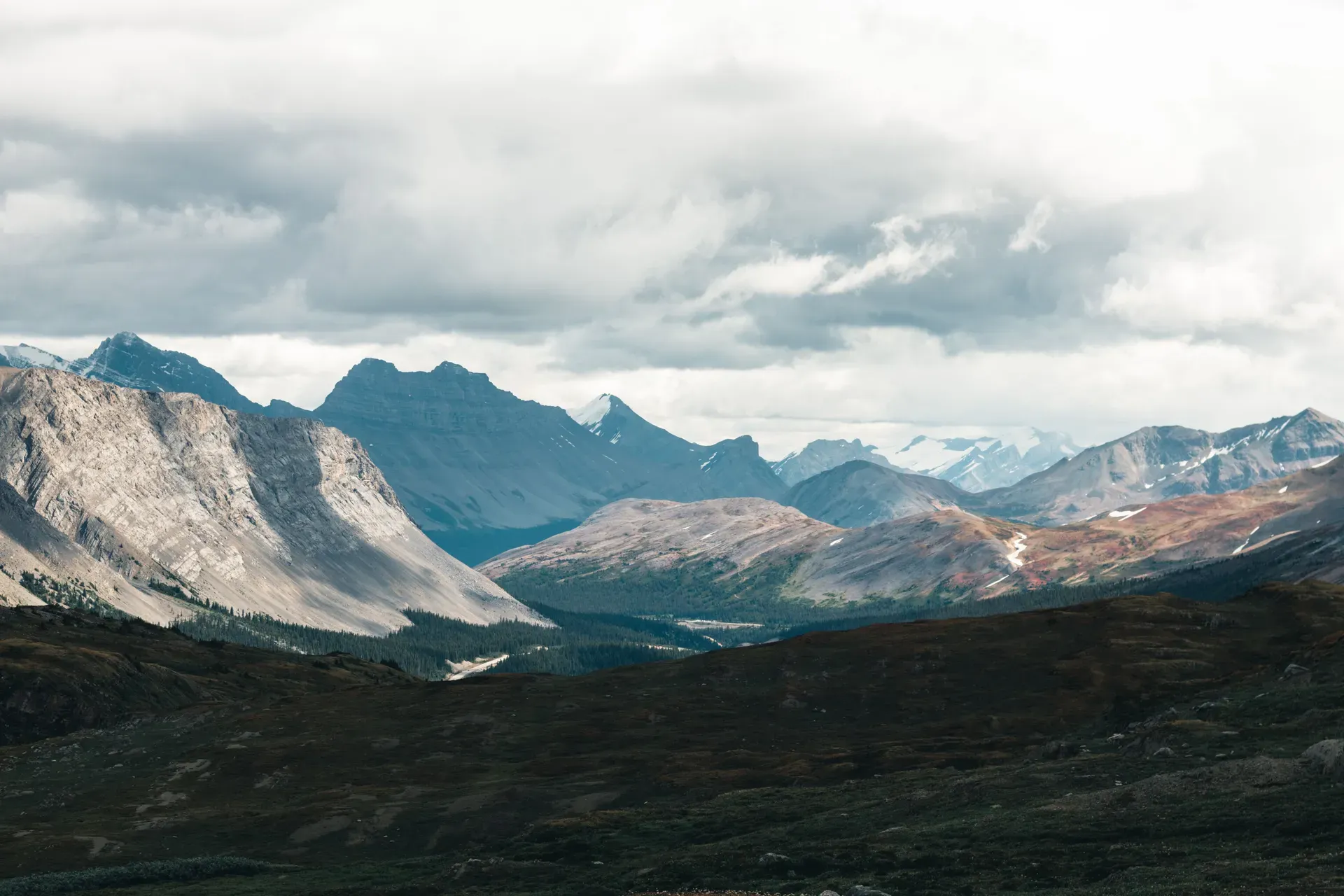
Jasper National Park spans over 11,000 square kilometers in the Canadian Rockies of west-central Alberta. It protects a vast network of glaciers, alpine lakes, and old-growth forests while operating as the world's second-largest Dark-Sky Preserve.
Jasper National Park covers roughly 11,000 square kilometers of west-central Alberta. It's the largest national park in the Canadian Rockies. The landscape sits on the eastern slopes of the Rocky Mountains, located about 370 kilometers west of Edmonton and directly north of Banff National Park. Elevations climb from 985 meters near the east gate to 3,782 meters at the summit of Mount Columbia. The park contains part of the Columbia Icefield, braided river valleys like the Athabasca, and glacially carved basins including Maligne Lake and Pyramid Lake.
Grizzly bears, elk, moose, and caribou move through the montane, subalpine, and alpine ecosystems. Visitors drive the Icefields Parkway to access trailheads, waterfalls, and high-altitude lookouts. The town of Jasper anchors the park. It provides the main service hub for hikers, campers, and stargazers. Most travelers spend two to four days covering the townsite highlights and the parkway. A full week allows time for the Maligne Valley, the Columbia Icefield, and multi-day backcountry trips.
In 1984, the park became part of the Canadian Rocky Mountain Parks UNESCO World Heritage Site. The designation recognizes the area's fossil beds, limestone canyons, and glacial features. The park also operates as the world's second-largest Dark-Sky Preserve. This protects the night sky from artificial light pollution. October brings the annual Dark-Sky Festival, drawing astrophotographers to the lakeshores to photograph the Milky Way.
Indigenous peoples traveled and hunted in the Athabasca Valley long before European arrival. They established the first trail networks through the mountain passes. In 1830, the Hudson's Bay Company built Jasper House. This fur-trading post sat at the north end of Jasper Lake. It supplied trappers moving through the Yellowhead Pass. The post operated for several decades before the fur trade declined in the region.
The federal government created Jasper Forest Park on September 14, 1907. It was Canada's fifth national park. The Canadian Northern Railway reached the area in the early 1900s. Track construction spurred the growth of the Jasper townsite. Workers built the 1913 Information Centre, which still stands today on Connaught Drive. The National Parks Act passed in 1930, officially renaming the reserve to Jasper National Park.
Road access transformed the park's visitor demographics. In 1940, the Icefields Parkway opened. This highway linked Jasper to Lake Louise and Banff. It allowed motorists to drive directly past the Columbia Icefield. Tourism numbers grew steadily through the late 20th century. By 2023, the park recorded nearly 2.5 million annual visitors. The town expanded to accommodate hotels, restaurants, and outfitting businesses.
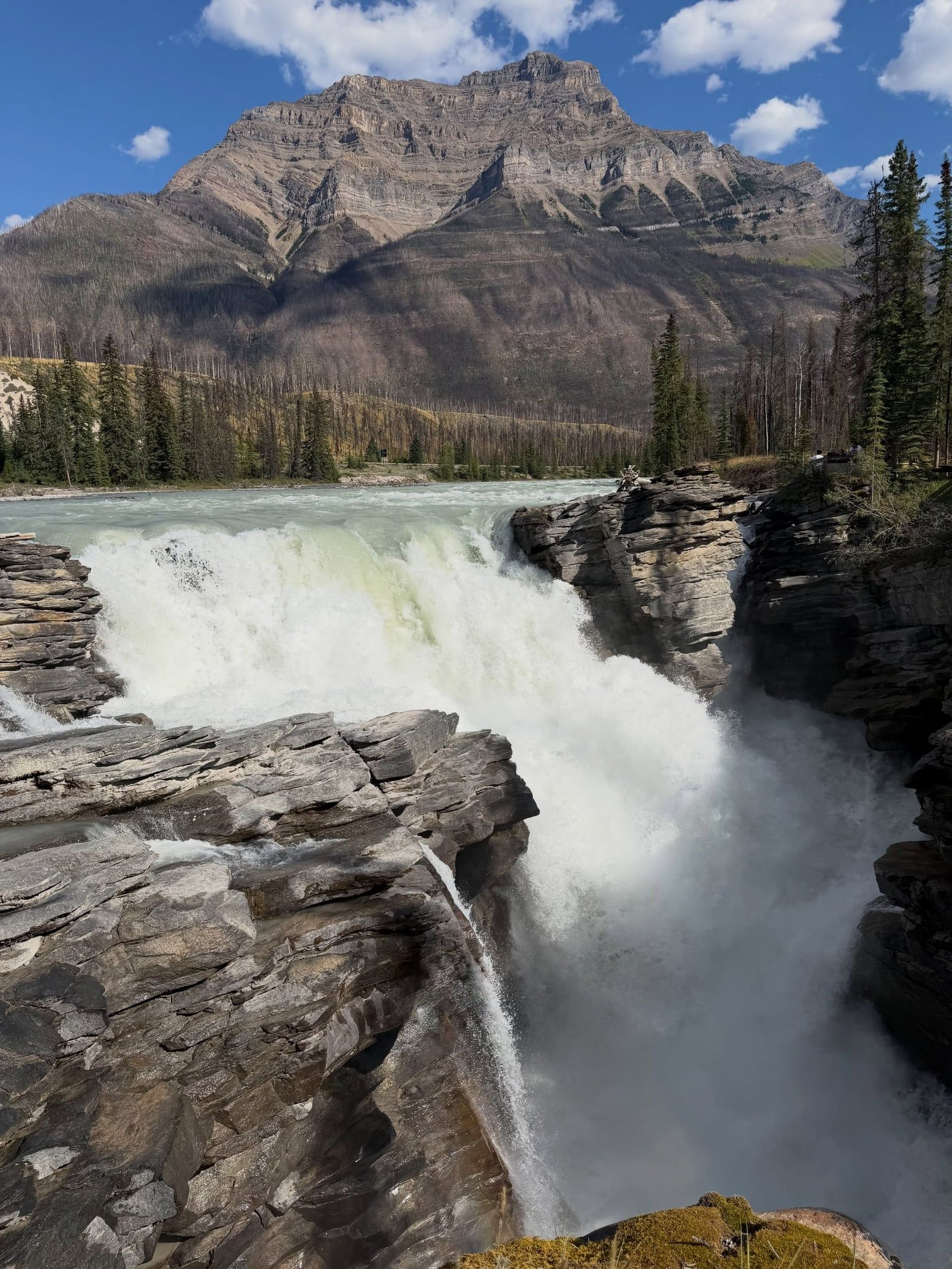
A historic wildfire complex struck the park in July 2024. The blaze burned 32,722 hectares of forest. It forced the evacuation of 25,000 residents and visitors. Flames damaged 358 of the 1,113 structures in the Jasper townsite. Recovery efforts began immediately. Crews removed over 600,000 hazard trees to stabilize the area. The park reopened with modified access, and rebuilding continues today.
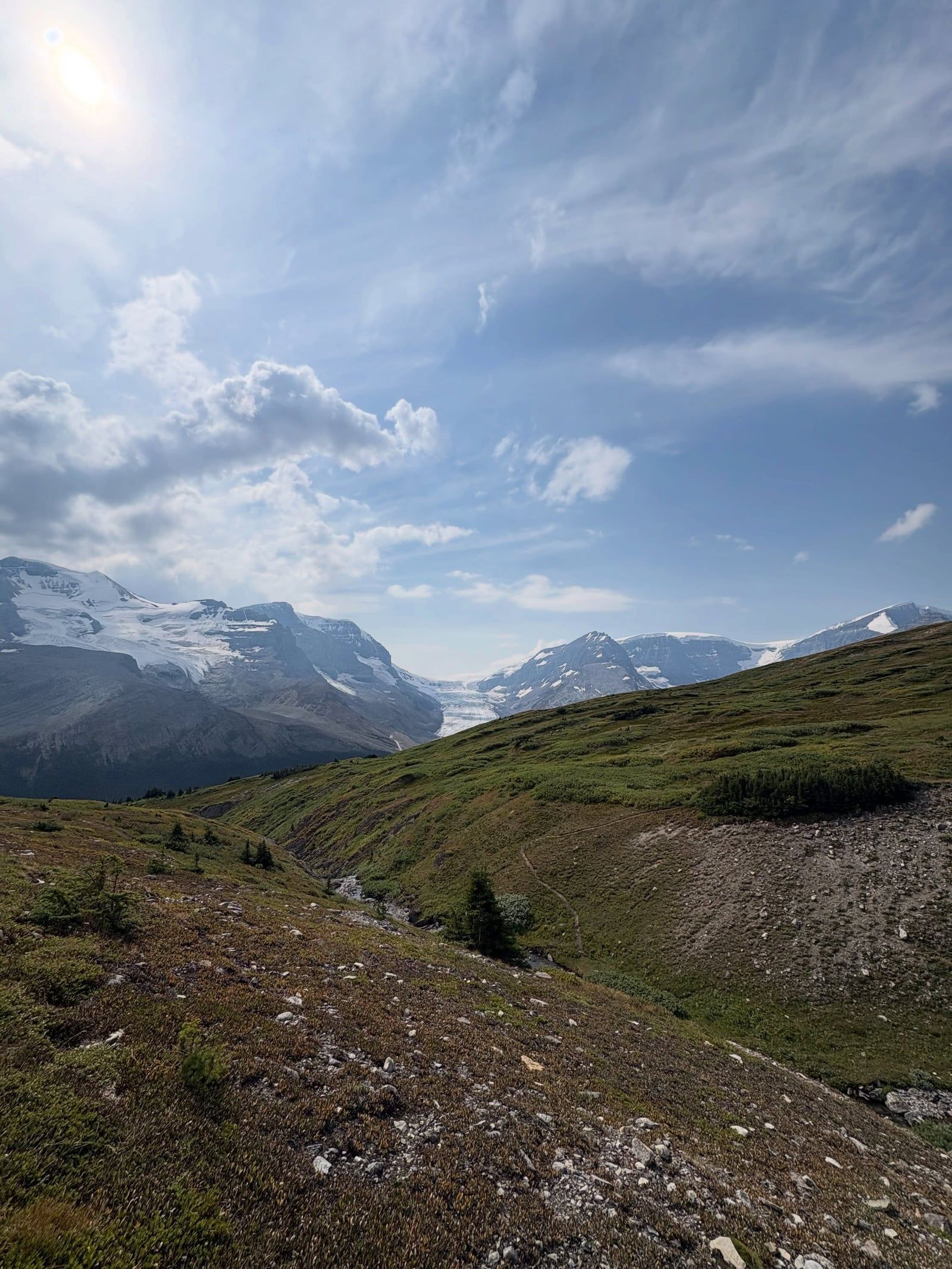
The park's geography is defined by the eastern flank of the Rocky Mountains. Mount Columbia dominates the skyline at 3,782 meters. It's the highest point in Alberta. The Columbia Icefield straddles the southern boundary with Banff. This massive accumulation of ice feeds multiple glaciers, including the Athabasca Glacier. Visitors walk directly onto the ice here. A glass-floored Skywalk extends 280 meters above the Sunwapta Valley floor.
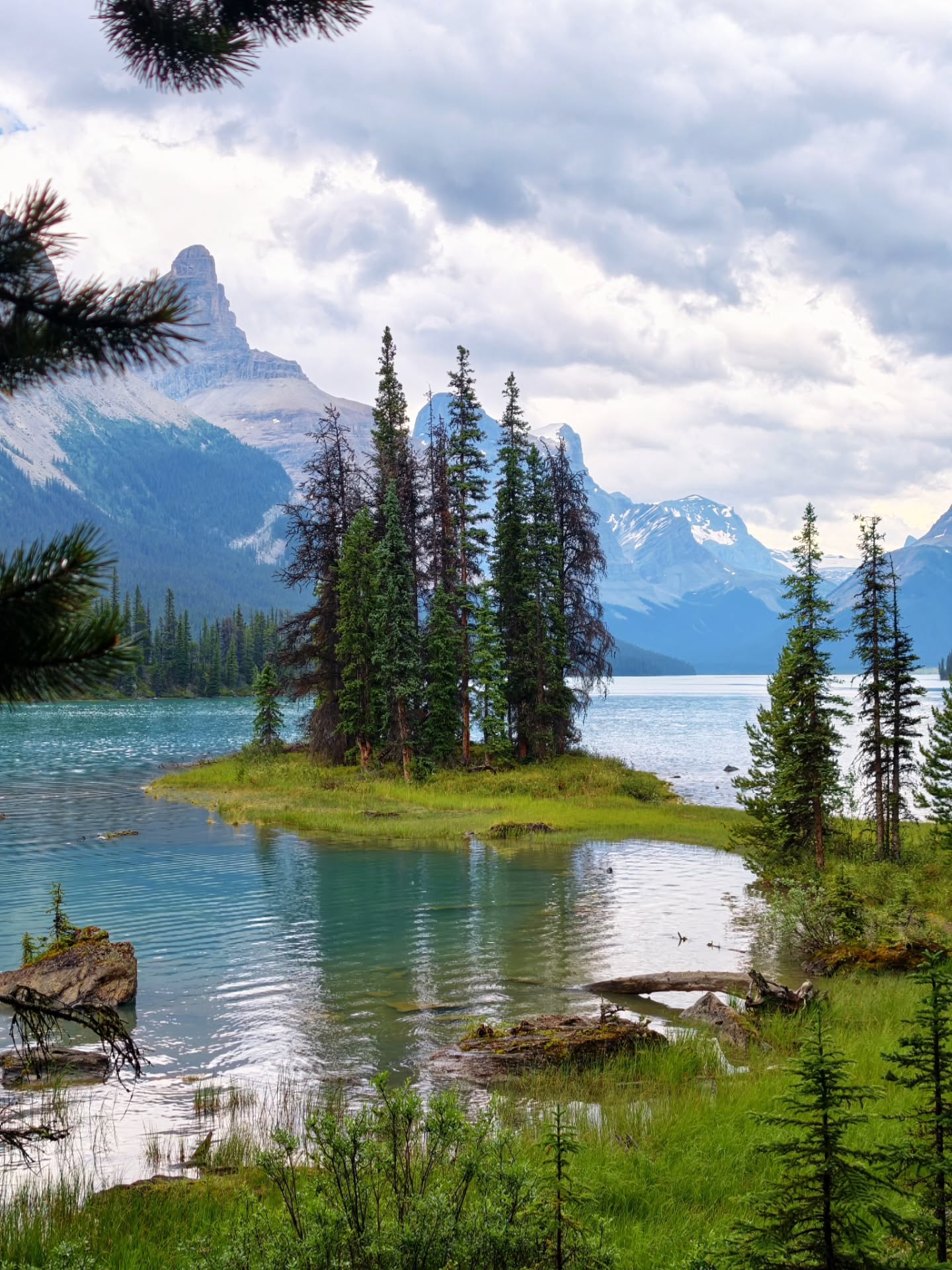
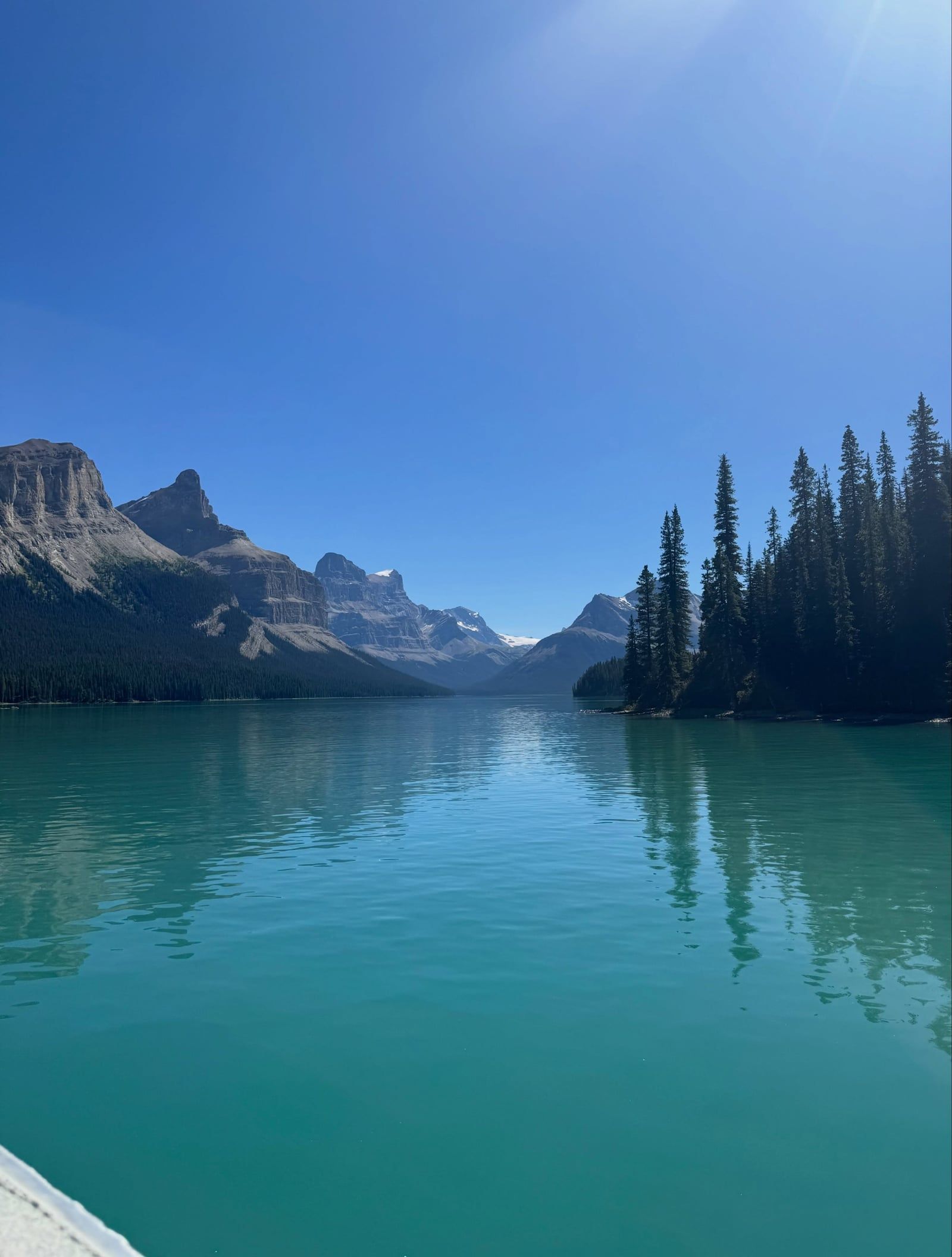
Water shapes the lower elevations. Maligne Lake stretches across a glacially carved basin. It is the largest natural lake in the Canadian Rockies. The 44-kilometer Maligne Road follows the valley to the water's edge, where boats navigate to Spirit Island. Nearby, the Maligne River cuts through limestone to form Maligne Canyon. The gorge drops 50 meters at its deepest point. A series of footbridges cross the canyon, allowing hikers to view the cascading water in summer and frozen ice formations in winter.
Geothermal activity surfaces in the Fiddle Valley. Miette Hot Springs produce water at 54 degrees Celsius. The park cools this mineral water to 40 degrees for the public soaking pools. The surrounding terrain transitions from dense old-growth forest in the valleys to subalpine meadows. Above 2,490 meters, the Skyline Trail crosses exposed alpine ridges for 45 kilometers. The environment supports some of North America's healthiest populations of large mammals.
Jasper holds deep historical ties for Indigenous communities. First Nations and Métis people used the Athabasca Valley as a travel corridor and hunting ground for generations. The trail systems they established laid the groundwork for modern park routes. Today, Parks Canada works with Indigenous partners to manage the land and interpret its history.
The park also functions as a global center for astronomy. Jasper's designation as a Dark-Sky Preserve in 2011 eliminated most artificial light pollution across its 11,000 square kilometers. The annual Jasper Dark-Sky Festival takes place every October. It draws astronomers, photographers, and researchers to the mountains. They gather at Pyramid Lake and Lake Annette to observe the Milky Way and the Northern Lights.
The 2024 wildfire shifted the town's cultural identity. The destruction of 358 buildings forced a massive rebuilding effort. The recovery mobilized residents and volunteers from across Alberta. The townsite now operates as both a tourist hub and an active construction zone—a stark contrast to its pre-fire state. The burned forests along the highways provide a visible record of the fire's scale.
The Jasper SkyTram climbs to 2,263 meters in seven minutes, making it Canada's longest and highest guided aerial tramway.
Miette Hot Springs produce the hottest mineral water in the Canadian Rockies, emerging from the ground at 54°C.
Jasper is the world's second-largest Dark-Sky Preserve, protecting over 11,000 square kilometers of night sky from light pollution.
The Columbia Icefield is one of the largest accumulations of ice south of the Arctic Circle.
Spirit Island in Maligne Lake is one of the most photographed locations in the Canadian Rockies, accessible only by boat.
The Skyline Trail covers 45 kilometers, with the majority of the route traversing exposed alpine meadows above 2,490 meters.
Following the 2024 wildfire, crews removed over 600,000 burned or unstable trees to make the park safe for visitors again.
Adults pay $12.25 CAD per day, while seniors pay $10.75. Youth 17 and under enter for free. A Family/Group pass covers up to seven people in one vehicle for $24.50.
June through September offers the warmest weather and full access to high-elevation trails. July and August are the busiest months. Winter brings fewer crowds and is ideal for skiing and ice walks.
The park remains open 24 hours a day, 365 days a year. Major travel routes are maintained through the winter, though severe weather can cause temporary closures.
VIA Rail operates regular train service to the Jasper station from Edmonton and Vancouver. SunDog Transportation runs daily shuttle buses from the Edmonton and Calgary airports.
Yes. A backcountry camping permit costs $15 CAD per person per night. You must book it in advance online or by phone, and the confirmation letter serves as your permit.
A massive wildfire in July 2024 burned 32,722 hectares of the park. It damaged 358 structures in the Jasper townsite. The park has since reopened, but recovery work and hazard-tree removal continue.
Recreational drone use is strictly prohibited everywhere in the park. Commercial operators must submit a written proposal to the park superintendent to obtain a Restricted Activity Permit.
Parks Canada rules require visitors to stay at least 30 meters away from elk, deer, and moose. You must maintain a distance of at least 100 meters from bears and other carnivores.
Maligne Lake is the largest natural lake in the Canadian Rockies. It sits 44 kilometers down the Maligne Road and features boat cruises to Spirit Island.
Jasper is part of the Canadian Rocky Mountain Parks UNESCO World Heritage Site. It received this designation in 1984 alongside Banff, Yoho, and Kootenay national parks.
Browse verified tours with free cancellation and instant confirmation.
Find Tours