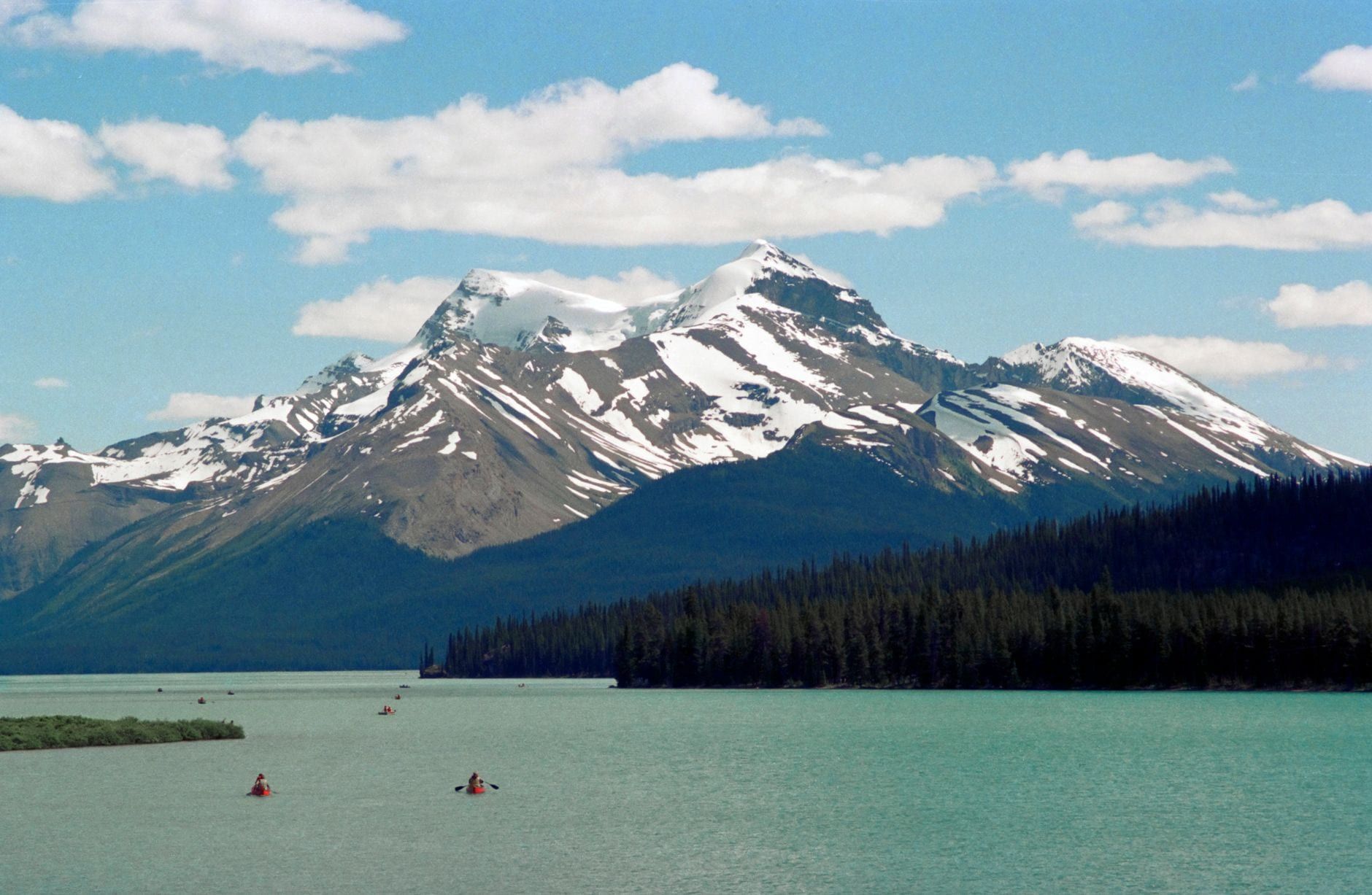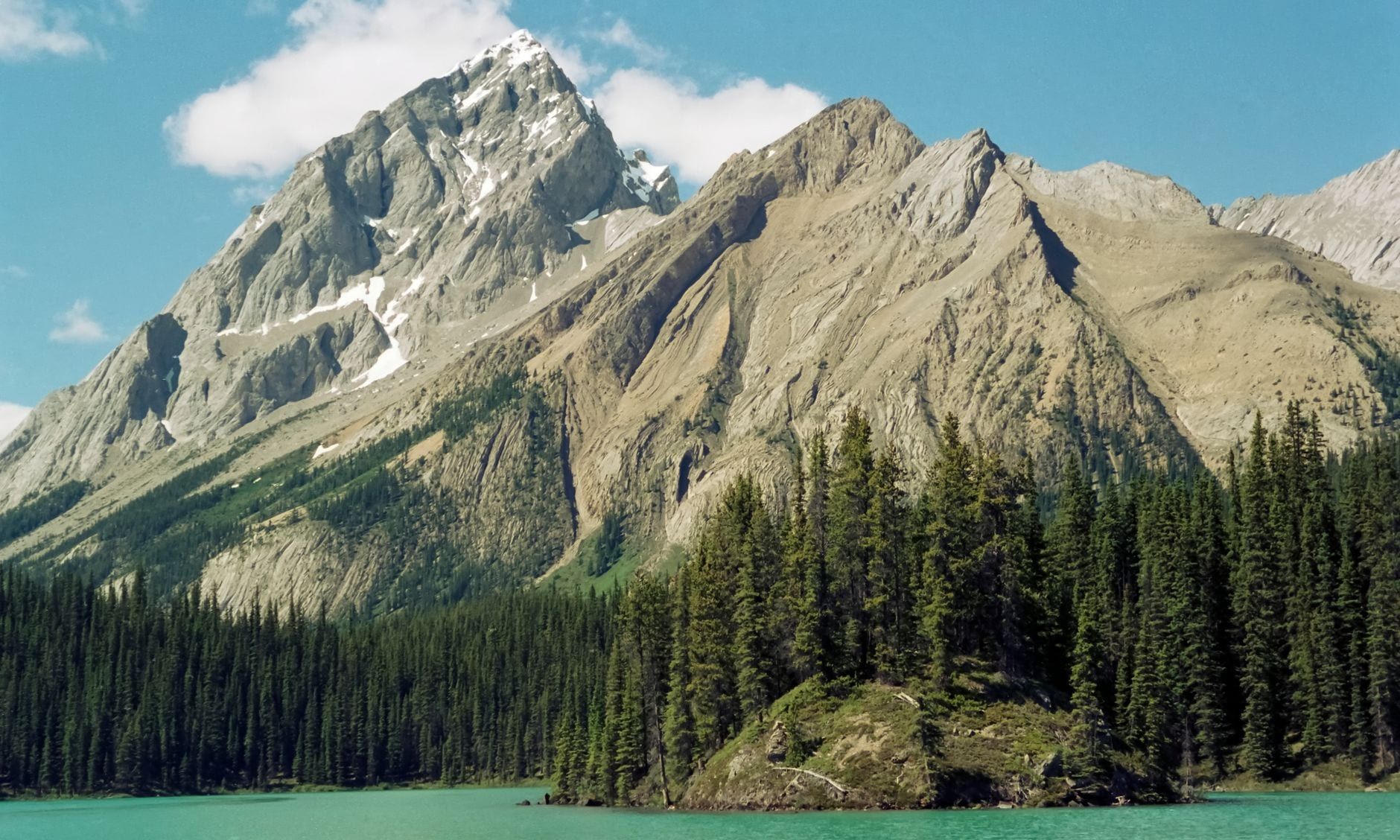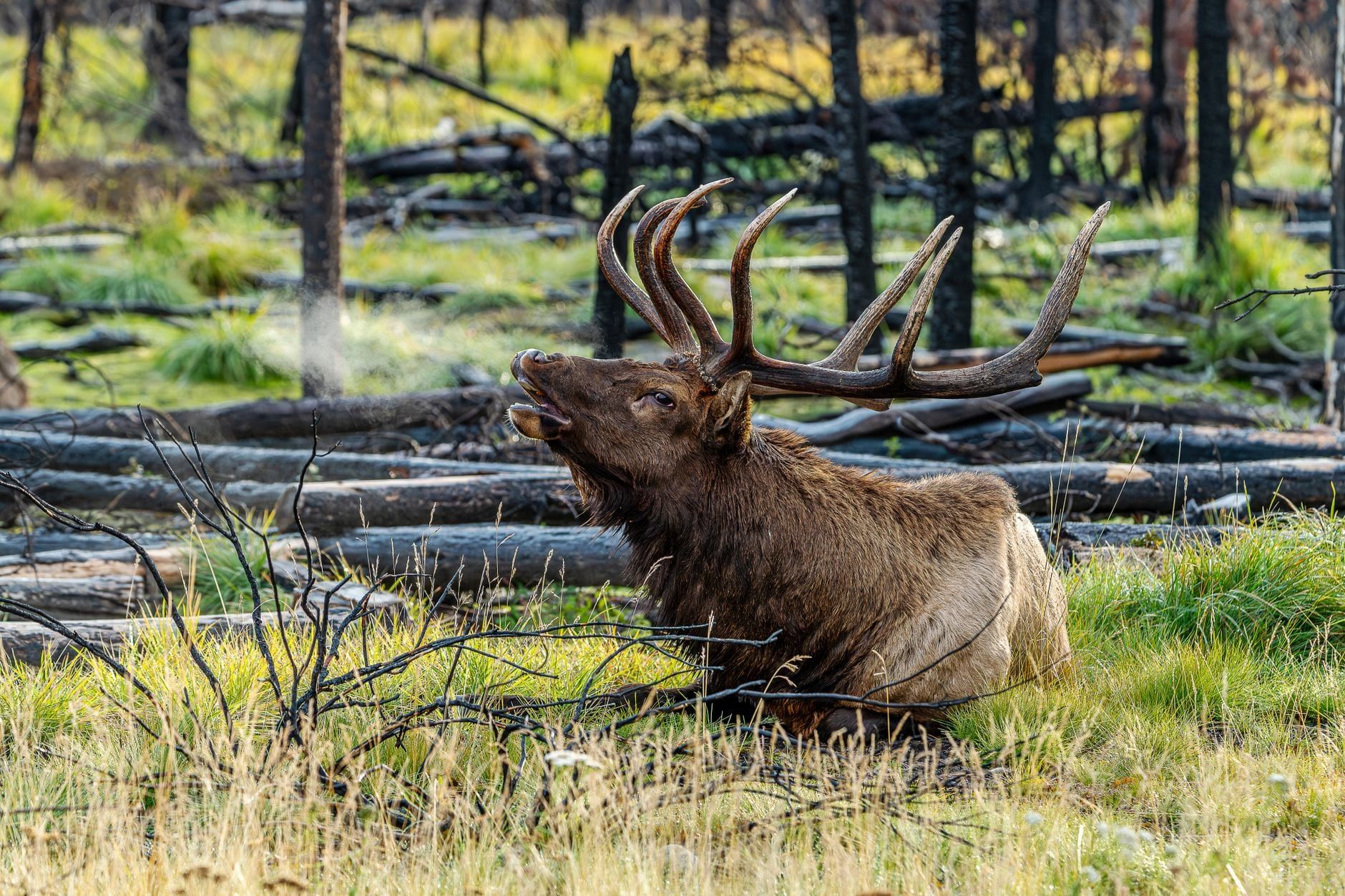
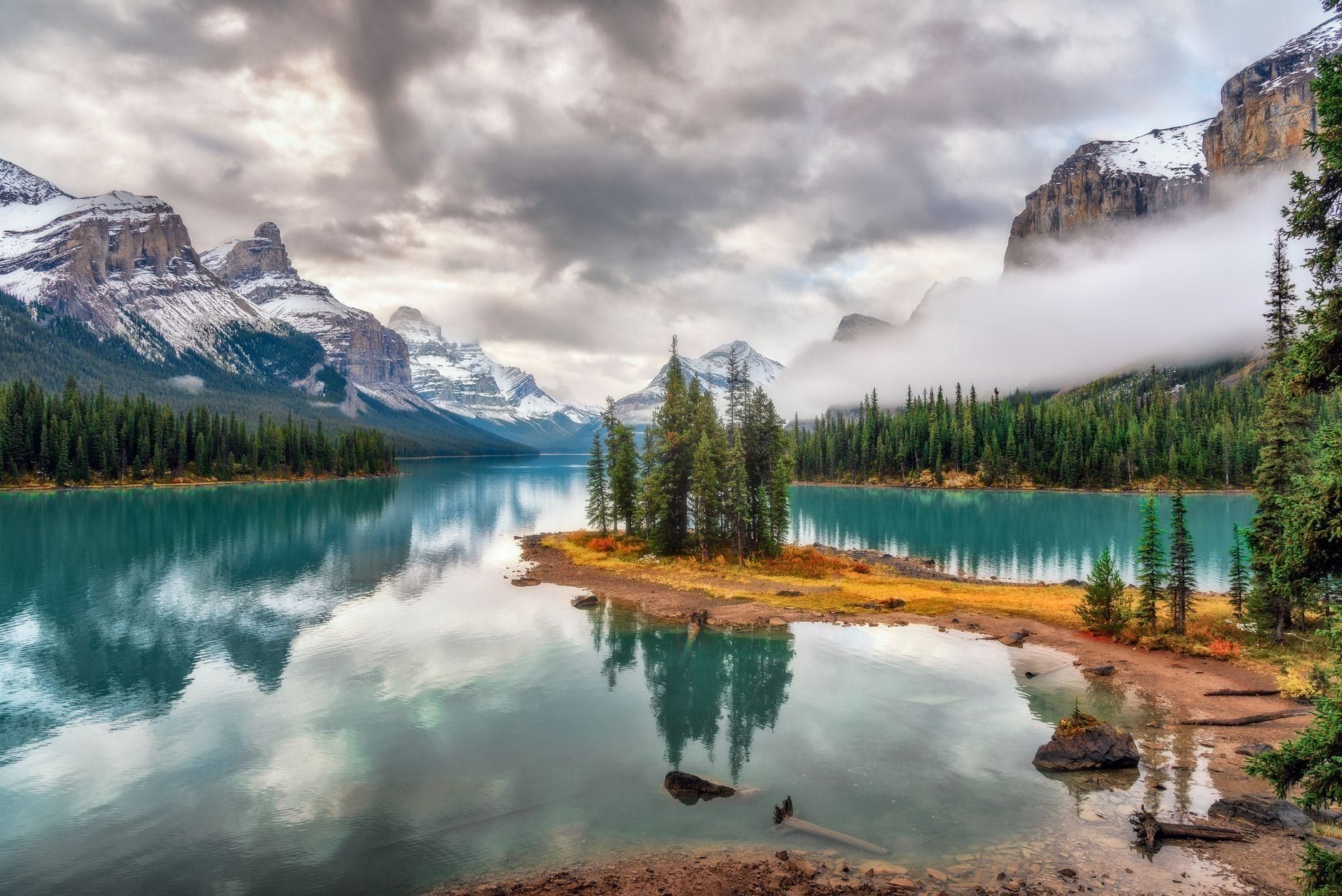
September wins. Jasper National Park keeps nearly everything running through the month — the Maligne Lake cruise, the SkyTram, the glacier tours — while the summer rush drains away after Labour Day, elk bugle across the Athabasca Valley, and aspens turn gold along the lakeshores. But the honest answer depends on what you're coming for, because this 11,000 km² park swings from 20-hour June days to -15°C January nights.
Quick Answer: The Best Time to Visit Jasper National Park
Mid-June through early September is the window to plan around: every road, trail, cruise and gondola runs, daylight stretches late into the evening, and daytime highs sit at 20–25°C (70s°F). Within that window, September is the single best month. The Maligne Lake cruise still sails (the 2026 season runs May 27 to October 11, weather permitting), the SkyTram still climbs Whistlers Mountain, and the post-Labour Day crowds drop sharply — July's access at a calmer pace, with turning leaves and active wildlife added.
Jasper is over 11,000 km² of mountains and the world's second-largest Dark Sky Preserve, so different months reward genuinely different trips. Here's the short version before the detail.
| Trip goal | Best window | The trade-off |
|---|---|---|
| Hiking | Late June–September | Snow lingers on high trails into July |
| Fewest crowds | Late Oct–mid-Dec, Jan–Mar | Cold, short days, seasonal attractions shut |
| Stargazing and aurora | September–October | Nights drop below freezing by late October |
| Skiing | Mid-November–April (Marmot Basin) | January lows near -15°C |
| Lowest prices | April–May, October–November | Unpredictable weather; reduced facilities |
| Wildlife | Late May and September–October | Animals active mainly at dawn and dusk |
One caveat applies to every row: the July 2024 wildfire, the largest in Jasper in a century, still closes parts of the park — Maligne Canyon among them. Check current conditions before you commit to dates; the logistics section below covers what changed. If you're still building the wish list, start with our things to do in Jasper guide and work backwards from these windows.
Jasper Weather and the Month-by-Month Planner
Jasper's seasons don't ease into each other; they slam. June days stretch to nearly 20 hours of daylight, while January averages around -10°C with lows near -15°C. A spring afternoon can hit 15°C and still serve up a blizzard that same week, and summer nights drop to the 40s°F even after a 25°C day. Chinook winds occasionally warm the depths of winter for a day or two.
Openings and closings in Jasper follow the calendar more than the season, so plan by month, not by broad weather labels.
| Months | Typical conditions | What's open and closed | Headline events |
|---|---|---|---|
| Jan–Feb | -5 to -15°C; January the coldest | Marmot Basin in full swing; SkyTram and lake cruises closed | Jasper in January festival |
| Mar–Apr | Thaw begins; snow persists at altitude | Marmot Basin to late April; SkyTram returns late March | Jasper Pride; half marathon (late April) |
| May–Jun | -1 to 15°C swings; ~20 daylight hours by June | Campgrounds and rafting from mid-May; cruises from May 27; high roads mid–late June | Spring skiing ends late April |
| Jul–Aug | 20–25°C days; 40s°F nights | Everything open, including Ice Explorer and all trails | Canada Day (July 1) |
| Sep–Oct | 10–15°C in September; colder by late October | Cruise ends October 11; wave of closures after Thanksgiving | Dark Sky Festival (October) |
| Nov–Dec | Dropping toward -8°C and below; snow settles | Marmot Basin opens mid-November; most campgrounds shut | Christmas in November |
Spring in Jasper (April–June): Waterfalls, Bears and the Big Thaw
Spring arrives slowly here. Valley temperatures climb from -1°C in early April to 15°C by June, but a single afternoon can move through sun, rain and snow. Pack layers and a waterproof shell, and don't trust the valley forecast to describe anything above the treeline. What you get in exchange: roaring waterfalls, roadside bears and near-empty viewpoints.
Waterfalls at full volume
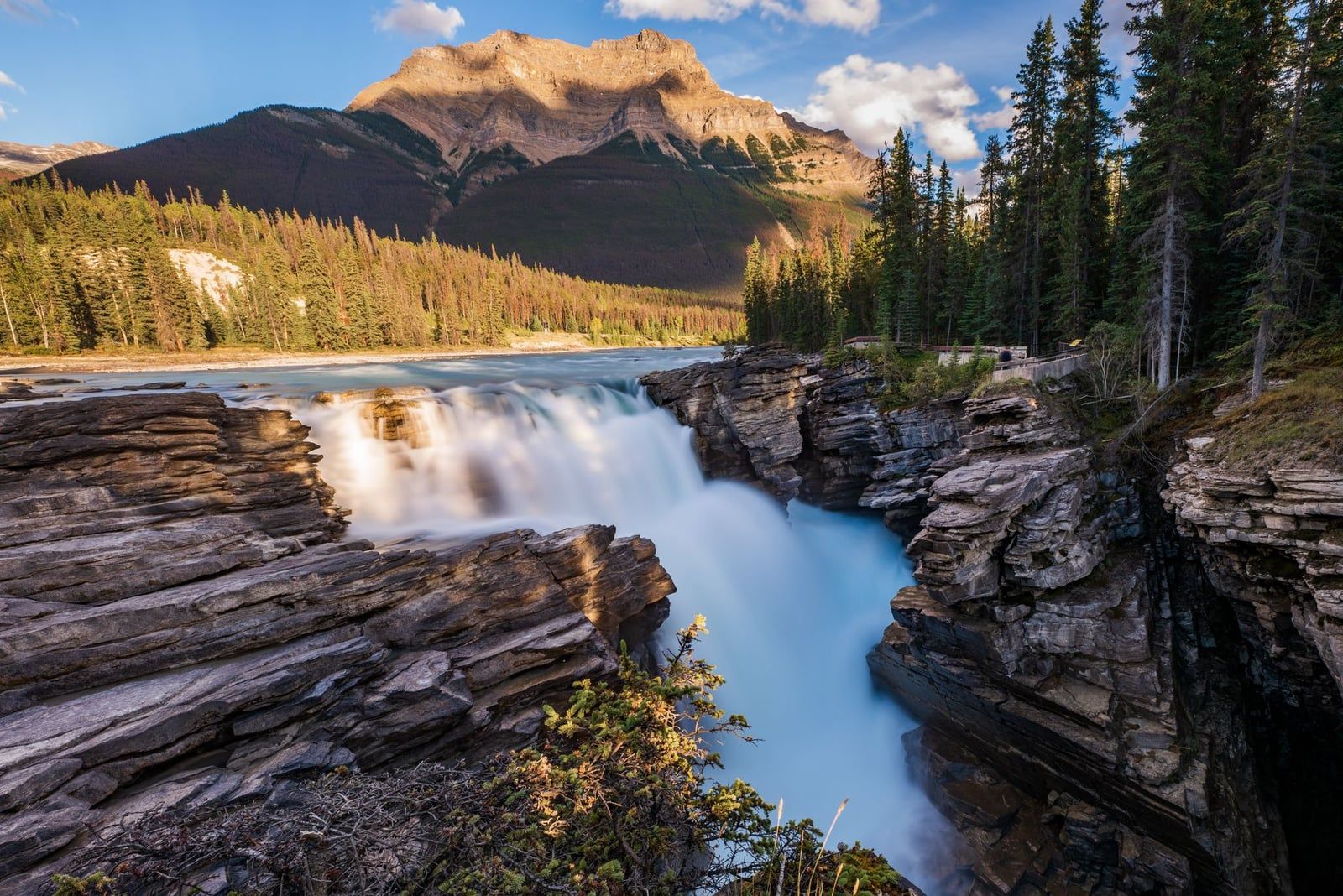
Snowmelt puts on the park's loudest show. Athabasca Falls and Sunwapta Falls reach peak annual flow in late May, when the rivers run grey-brown with rock flour and the gorge paths hang cool with spray. Photographers get their best waterfall conditions of the year, and the railings aren't three deep with visitors.
Bears at the roadside
Grizzlies and black bears leave their dens in April and forage the valley bottoms, and late May is the peak viewing window. They're frequently seen along Maligne Lake Road and the Icefields Parkway, often grazing roadside greenery at dusk. Carry bear spray on every trail and keep at least 100 m from any bear — that's the law, not a suggestion.
What opens when
The calendar does the deciding in spring. The SkyTram starts running in late March or April. Front-country campgrounds and whitewater rafting open mid-May. Maligne Lake breaks its ice in early June and is fully thawed by mid-June. High-elevation roads like Cavell Road and the upper Maligne Lake Road open mid-to-late June, and high trails hold snow into July. If you want alpine meadows, spring is the wrong season. If you want water, bears and elbow room, it's the best one. Jasper Pride runs in April, the Canadian Rockies Half Marathon in late April, and Marmot Basin keeps spring skiing going into late April.
Summer in Jasper (July–August): Peak Season, Peak Access
July and August are peak season by every measure: warmest weather, longest days, every attraction and high road open — and roughly 80% of Jasper's roughly two million annual visitors. Highs of 20–25°C, nights in the 40s°F and daylight past 10 pm make big itineraries possible. For first-timers and families, it's still worth it. Just go in with a plan.
Beating the crush
Trailhead lots fill by 9 am in July and August, and the 44 km Maligne Road clogs by midday, so start at dawn — which in July means 5:30 am light. Book the Maligne Lake cruise to Spirit Island and the glacier tours weeks ahead; July–August sailings sell out first. Town lodging needs booking months earlier — see our where to stay in Jasper breakdown. Early July usually means drier trails; late August usually means fewer mosquitoes.
Glacier ice and turquoise lakes
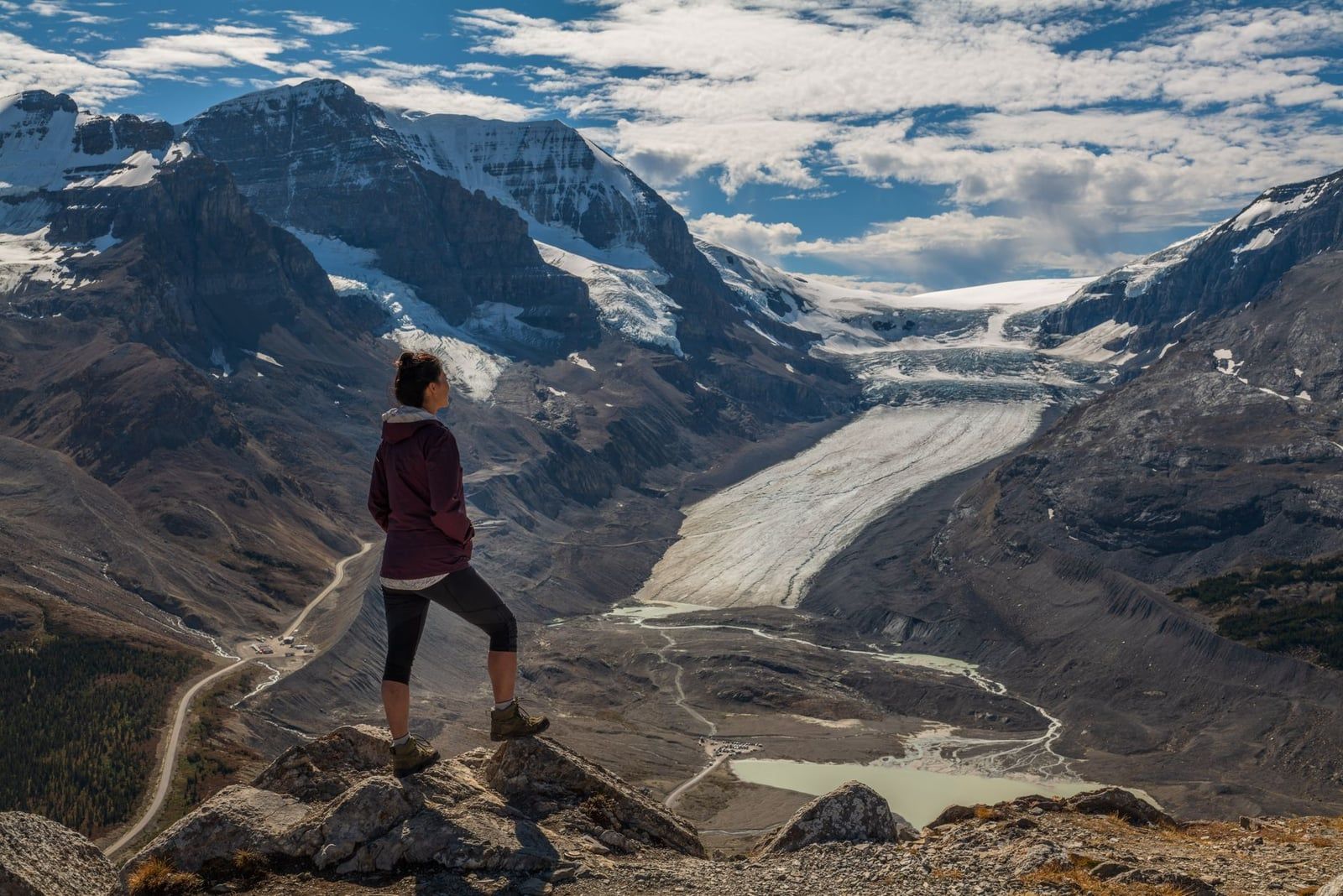
The signature experiences all peak together. Ice Explorer vehicles drive onto Athabasca Glacier from June to mid-October, but July–August is when the deep-blue ice shows best. Maligne and Medicine lakes hit their most vivid turquoise as meltwater tops out. And the Icefields Parkway — 232 km to Banff, about three hours nonstop but really a full day of stops — is at its best; our Banff to Jasper driving guide covers it stop by stop. The road itself stays open all year.
What summer costs you
Mosquitoes in July's alpine valleys are ferocious — pack repellent, seriously. Prices peak with the crowds. And in some years mid-July through August carries the highest wildfire-smoke risk, which can swallow the mountain views for days at a time. Families and first-timers should still come in summer. Photographers with schedule flexibility should aim at September instead.
Fall in Jasper (September–October): The Golden Window
Most first-timers never even consider fall, and that's their mistake: September and early October hand you summer's access list at shoulder prices, with foliage and the elk rut thrown in. The catch is a firm end date — the window shuts hard in mid-October.
September: the golden month
Once Labour Day passes, Jasper exhales. Everything summer still runs — cruises, SkyTram, glacier tours — but the crowds thin, lodging rates soften, and daytime highs of 10–15°C make for near-perfect hiking. Aspens turn gold around the lakes and wildlife moves at dawn and dusk. For hikers, photographers and anyone who hates queues, this is the year's best stretch.
October: rut, aurora and dark skies
October belongs to the elk. The rut runs roughly August through October, and bulls bugle and spar around the townsite and the Athabasca River — stay 30 m (100 ft) back, because rutting bulls charge. Nights turn cold, below -1°C by late month, and that's exactly the point: Jasper is the world's second-largest Dark Sky Preserve, and October is Dark Sky Month. The Jasper Dark Sky Festival runs about ten days each October (2026 edition: October 16–25) with talks, star parties and astrophotography events, and lodging for it books early. Those clear cold nights are also good aurora nights — our Northern Lights in Jasper guide lists the viewing spots, with Pyramid Lake a reliable one.
The mid-October shut-off
The golden window closes on Canadian Thanksgiving. The Maligne cruise season ends October 11, and seasonal attractions, mountain roads and most front-country campgrounds shut for winter, including upper Maligne Lake Road access. Come before Thanksgiving for the full park. After it, plan around what's left.
Winter in Jasper (December–March): Snow, Skating and Starlit Skies
Winter Jasper is cold, dry, sunny more often than you'd expect, and close to empty — the trade is familiar from every ski town, but here the emptiness is the point. Days run -5°C at best, nights near -15°C, and January is the coldest month. Chinook winds occasionally warm things for a day.
Marmot Basin and quiet snow
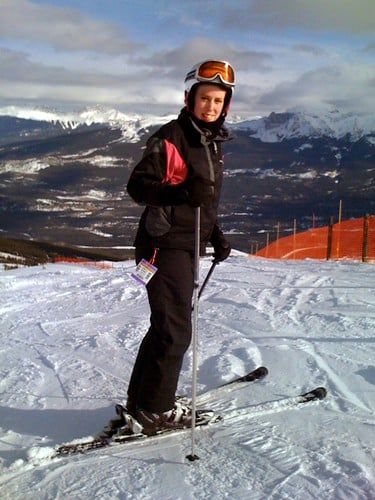
Marmot Basin has 1,700 acres of terrain, typically open mid-November to late April, with shorter lift lines than the Banff resorts. Cross-country skiing around Pyramid Lake, skating on the Mildred Lake and Pyramid Lake rinks, snowshoeing and fat biking fill the rest of the week, and the Jasper in winter guide has the full playbook. November is the insider's month: the ski season is starting, the town is quiet, and prices sit at shoulder-season lows.
Icewalks, with one change
Guided icewalks are the season's signature outing — but not at Maligne Canyon, which has been closed since the 2024 wildfire. Operators now run trips through Pleckaitis Canyon instead, and its frozen waterfalls make it a worthy substitute. Go with a guide; ice conditions change week to week.
Three things to respect
First, January cold snaps can push well past -15°C — pack for it and plug in your car overnight. Second, Parks Canada closes some backcountry areas each winter to protect caribou, so check closures before planning routes. Third, snow tires or chains are legally required on the Icefields Parkway from November 1 to April 1, and temporary closures follow storms. Skiers, photographers and solitude seekers get Jasper's lowest prices of the year in return.
Best Time to Visit Jasper by Traveler Type
The quick-pick table above settles most trips in ten seconds. A few types need the fuller read.
Hikers
Late June through September, once high trails finally clear — though snow can persist above the treeline into July. September's cool afternoons beat August's heat and bugs, and trails that fill by 9 am in August sit half-empty a month later. Start with the best hikes in Jasper and match each trail to its snow-free window.
Families
July–August, without much debate. Warm lakes, every facility open, long evenings for slow dinners and late tram rides. The trade-off is peak crowds and peak prices, but the paved Lake Annette loop and the drive-up viewpoints along Maligne Road stay manageable even in August if you time them for morning.
Wildlife watchers and photographers
Split your allegiance: late May for roadside bears, late September for the elk rut, dawn and dusk always. If one trip has to cover both warmth and wildlife, early September is the compromise month — bears are still feeding in the valleys and the rut is warming up, with daytime highs still pleasant.
Budget travelers
April–May and October–November bring the lowest lodging rates and the emptiest trailheads of the year. Accept that the Maligne cruise and glacier tours may not be running and the weather is a coin flip, and the savings are real. November adds early-season skiing at Marmot Basin on top.
Trip-Planning Logistics: Passes, Reservations, Roads and Wildfire Recovery
When you visit decides more than the weather does — it sets which passes you need, when reservations open and which roads you can actually drive. Here's the operational side, including what the July 2024 wildfire changed.
Passes
Entry requires a Parks Canada pass, bought at the gates, at visitor centres or online. A daily adult pass costs $12.25 CAD and a family or group day pass (up to 7 people in one vehicle) $24.50. The annual Discovery Pass, valid at 80+ Parks Canada sites, runs $83.50 per adult or $167.50 for a family — it pays for itself in about a week of park visits. Youth 17 and under are always free. Through September 7, 2026, admission is waived under the Canada Strong Pass; current prices are on our hours and fees page.
Book these months ahead
Front-country campgrounds — Whistlers (781 sites), Wapiti and Miette — open for reservations in mid-winter through the Parks Canada Reservation System and fill fast for July–August. Backcountry permits cost $15 per person per night. Summer's marquee tours, the Maligne cruise and the Ice Explorer among them, plus town lodging, should be booked between winter and spring.
Roads and the wildfire
High-elevation roads set Jasper's real season: Cavell Road and the upper Maligne Lake Road typically open mid-to-late June and close after autumn snows, and Celestine Lake Road runs on timed access with vehicle restrictions. The Icefields Parkway stays open year-round, subject to the winter tire rules and occasional avalanche-related closures. Then there's the July 2024 wildfire: it burned over 32,000 hectares, damaged 358 of the townsite's 1,113 structures and forced out roughly 25,000 people. The park has reopened and most trails and campgrounds are restored, but Maligne Canyon remains closed and hazard-tree removal continues. Check Parks Canada's current-conditions page in the weeks before you book — the single most useful planning step in any season.
What to pack, when
Layers year-round, because freezing nights happen even in July. Bear spray from spring through fall, on every trail. Traction devices for your boots from November through April.
Jasper Timing FAQs
The questions that come up most when people pin down dates, answered with the numbers that matter.
Frequently asked questions
What is the best month to visit Jasper National Park?
September. Everything summer still runs — the Maligne cruise, SkyTram, glacier tours — but crowds drop sharply after Labour Day, aspens turn gold, and elk are active around the townsite. If you want the warmest weather and every service at full tilt, late June through August works, with highs of 20–25°C.
What is the cheapest time to visit Jasper?
April–May and October–November, the shoulder and low seasons, when lodging rates drop and trailheads empty out. November is especially quiet, with ski season just starting at Marmot Basin and shoulder-season prices still in effect.
How many days do you need in Jasper National Park?
Plan on 2–3 days minimum to cover the Maligne Valley, the Icefields Parkway and a hike or two. A full week opens up the Columbia Icefield, Miette Hot Springs and multi-day backcountry routes like the Skyline Trail.
Can you see the Northern Lights in Jasper?
Yes. Jasper is the world's second-largest Dark Sky Preserve (designated 2011), so aurora is visible on clear nights — best odds run September through March. October's Dark Sky Festival adds guided viewing and star parties if you want programming around it.
When is the best time for wildlife viewing in Jasper?
Late May for bears feeding along Maligne Lake Road and the Icefields Parkway, and September–October for the elk rut around the townsite. Animals are most active at dawn and dusk, and you must keep 30 m (100 ft) from elk and 100 m from bears.
Is winter a good time to visit Jasper?
Yes, if you pack for it. Marmot Basin runs mid-November to late April over 1,700 uncrowded acres, and there's skating, snowshoeing and the Jasper in January festival. Expect highs around -5°C, lows near -15°C, and winter caribou closures in parts of the backcountry.
When does the Maligne Lake Cruise to Spirit Island run?
Roughly late May to mid-October — the 2026 season runs May 27 to October 11, weather permitting. The lake is fully thawed by mid-June, and July–August sailings book out earliest, so reserve well ahead for peak summer.
Sources
- parks.canada.ca/pn-np/ab/jasper/visit/tarifs-fees
- parks.canada.ca/pn-np/ab/jasper/gestion-management/designation/cieletoile-darksk
- parks.canada.ca/pn-np/ab/jasper/gestion-management/plan/2025
- parks.canada.ca/pn-np/ab/jasper/securite-safety/faune-wildlife
- en.wikipedia.org/wiki/Jasper_National_Park
- en.wikipedia.org/wiki/2024_Jasper_wildfire
- jasper.travel/wild-fire
- jasper.travel/events/jasper-dark-sky-festival