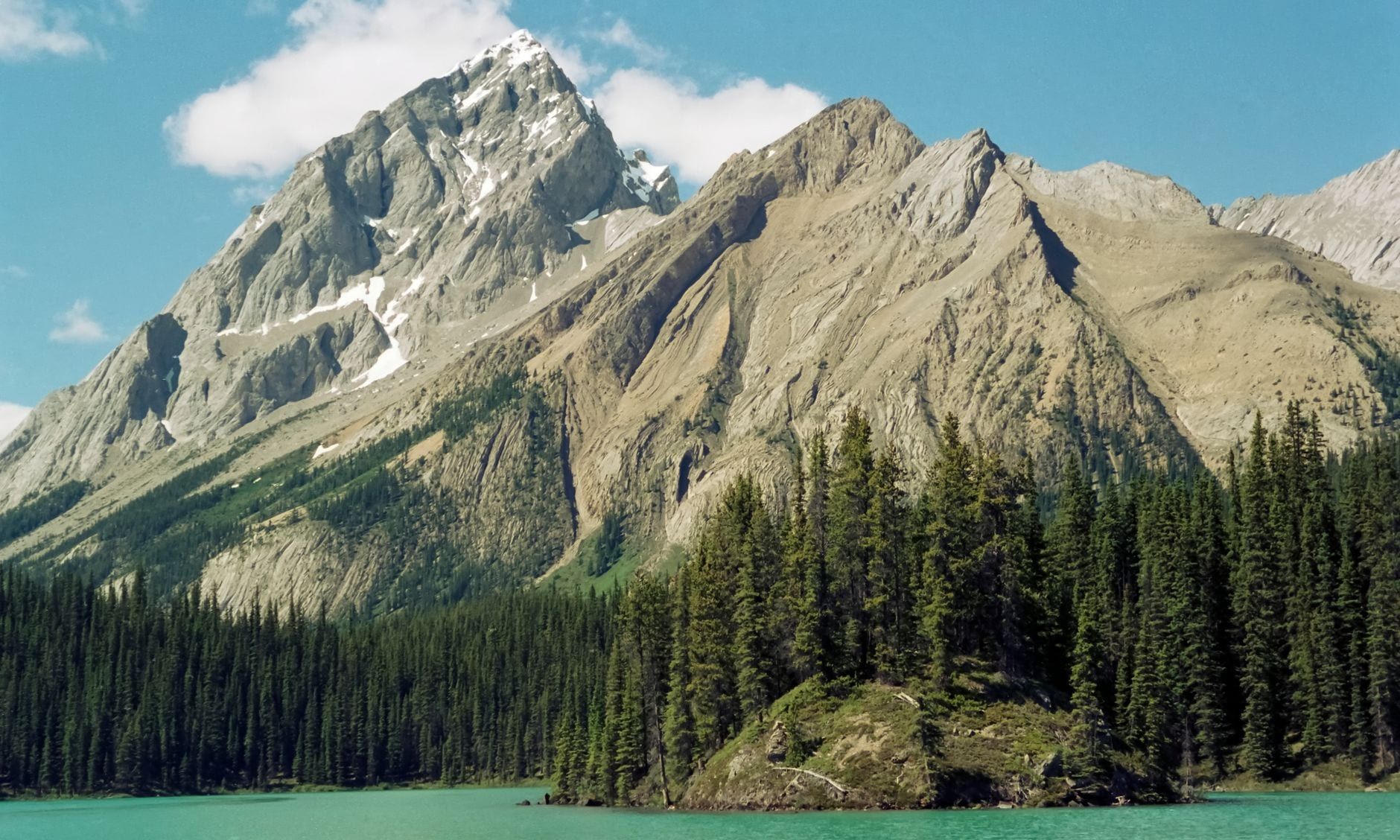
Jasper National Park is the Canadian Rockies at full scale: more than 11,000 km² of glacier, canyon and valley road wrapped around a town of about 5,000 people. Banff draws roughly twice the visitors. Jasper spreads them thin across a park that holds the highest peak in Alberta, the largest natural lake in the Rockies, and close to 1,000 km of trail — then goes dark enough at night to rank as the world's second-largest dark-sky preserve.
Most first visits hang on four anchors: the Maligne Valley, the Icefields Parkway, the lakes at the edge of town, and the trails above them. This guide covers all of them, with drive times and prices — and, because most guides online predate it, the current status of every site after the July 2024 wildfire.
Why Jasper Belongs on Your Canadian Rockies Itinerary
At over 11,000 km², Jasper is the largest national park in the Canadian Rockies and part of the Canadian Rocky Mountain Parks UNESCO World Heritage Site since 1984. It recorded about 2.1 million visitors in 2025 — Banff handles roughly double — and it has always felt less commercial: fewer coach tours, more animals per kilometre of road. If you're weighing the two, the Jasper vs Banff question comes down to crowds versus convenience.
The July 2024 wildfire burned about 32,700 hectares and damaged 358 of the townsite's 1,113 structures. Recovery has moved fast since. The SkyTram reopened in 2025, Valley of the Five Lakes is back for summer 2026, and Athabasca Falls, Miette Hot Springs and Marmot Basin never really stopped. The one big loss is Maligne Canyon, still closed as of 2026. The town is open, grateful for visitors, and short on beds — book earlier than you think you need to.
Know Before You Go: Passes, Prices, Seasons & Logistics
Every visitor needs a Parks Canada pass, bought at the gate or online. Current rates:
| Pass type | Cost |
|---|---|
| Daily — adult | $12.25 |
| Daily — senior (65+) | $10.75 |
| Youth (17 & under) | Free |
| Daily — family/group (up to 7, one vehicle) | $24.50 |
| Discovery Pass — adult, annual | $83.50 |
| Discovery Pass — family/group, annual | $167.50 |
The Discovery Pass covers 80+ Parks Canada sites, Banff included, and pays for itself after about seven days of mountain-park visits. The park itself is open 24 hours, year-round, but seasonal services run May-to-September schedules — check current hours and fees before you go.
June through September is the main season: highs around 20-22°C, every road and high trail open, and about 80% of the year's visitors. In July and August, trailhead parking is the day's first contest. September is the insider's month — same access, far fewer cars. December to March brings skiing and frozen canyons at a fraction of the crowds.
Edmonton is the closest major airport, about 365 km and four hours away on Highway 16. Calgary is 415 km, 4.5 to 5 hours via Banff and the Icefields Parkway, which is the scenic way in. SunDog runs daily airport shuttles from both cities (roughly $28-90 one-way), and VIA Rail serves the Jasper station from Edmonton and Vancouver.
There are no park-wide shuttles, so a rental car is effectively mandatory. A summer municipal transit service with four lines covers the townsite, Pyramid Lake and the Whistlers and Wapiti campgrounds, but trailheads, Miette and Maligne Lake are all drives. Downtown, paid parking runs May 1 to October 31 at $4.50/hour on-street; park once and walk.
Maligne Lake & the Maligne Valley: Jasper's Signature Day Trip
Maligne Lake Road runs 44 km from the highway to the lake, and it's a day trip in itself — budget six hours with stops. The drive doubles as the park's best wildlife corridor, so take it slow in both directions.
Maligne Canyon
The park's deepest accessible canyon — a limestone gorge up to 50 m deep, laced with footbridges above waterfalls — is the wildfire's biggest casualty and remains closed as of 2026. The 5th and 6th Bridge parking area downstream is still visitable. Check the Parks Canada bulletins before your trip; closures shift as hazard-tree removal moves.
Medicine Lake
Halfway up the road, Medicine Lake looks like a lake losing a fight. Its water drains through sinkholes in the lakebed and resurfaces in springs downstream, so the level swings wildly through the season. It's a roadside pull-off: ten minutes, photos, move on.
Maligne Lake & Spirit Island
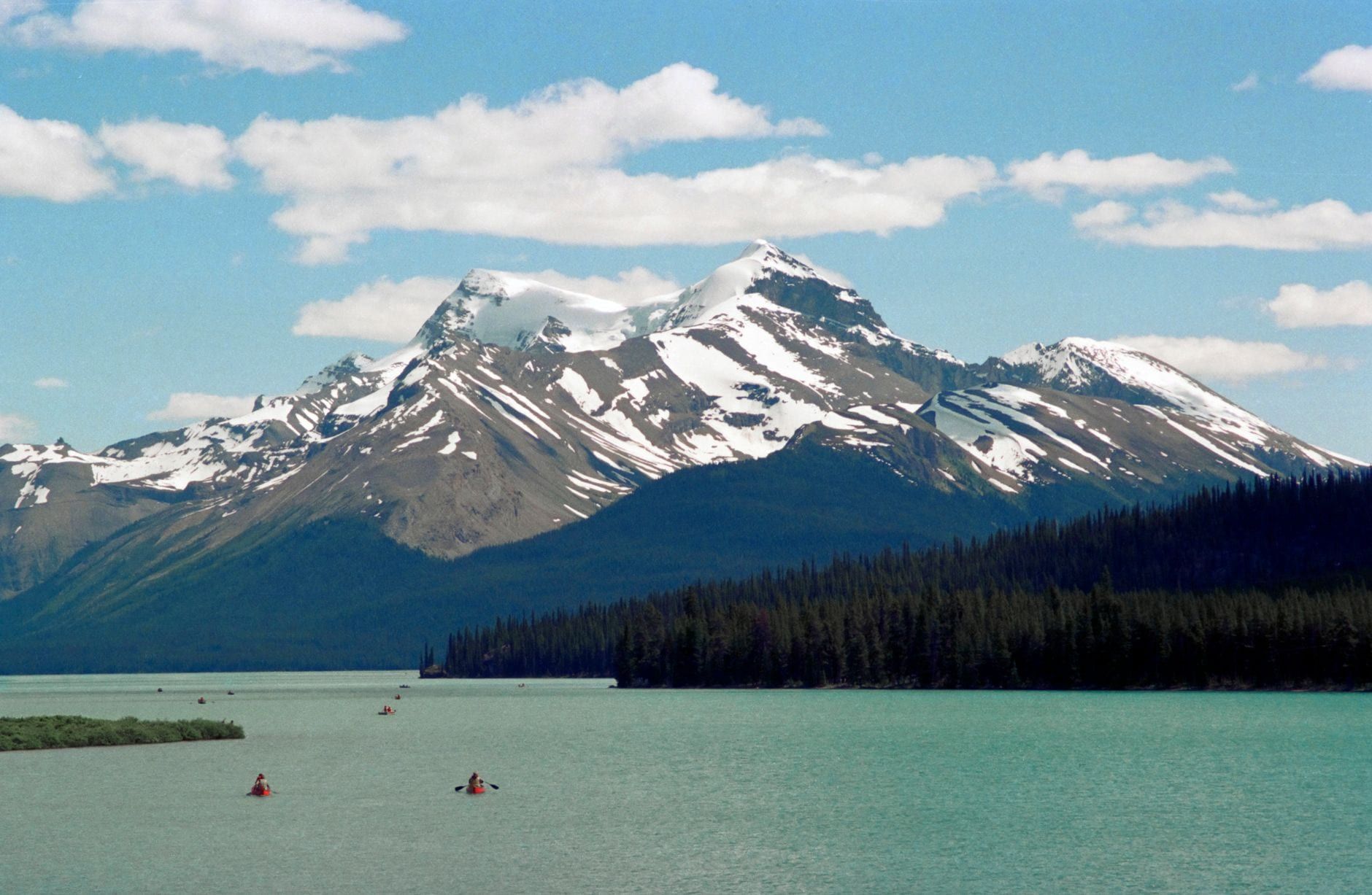
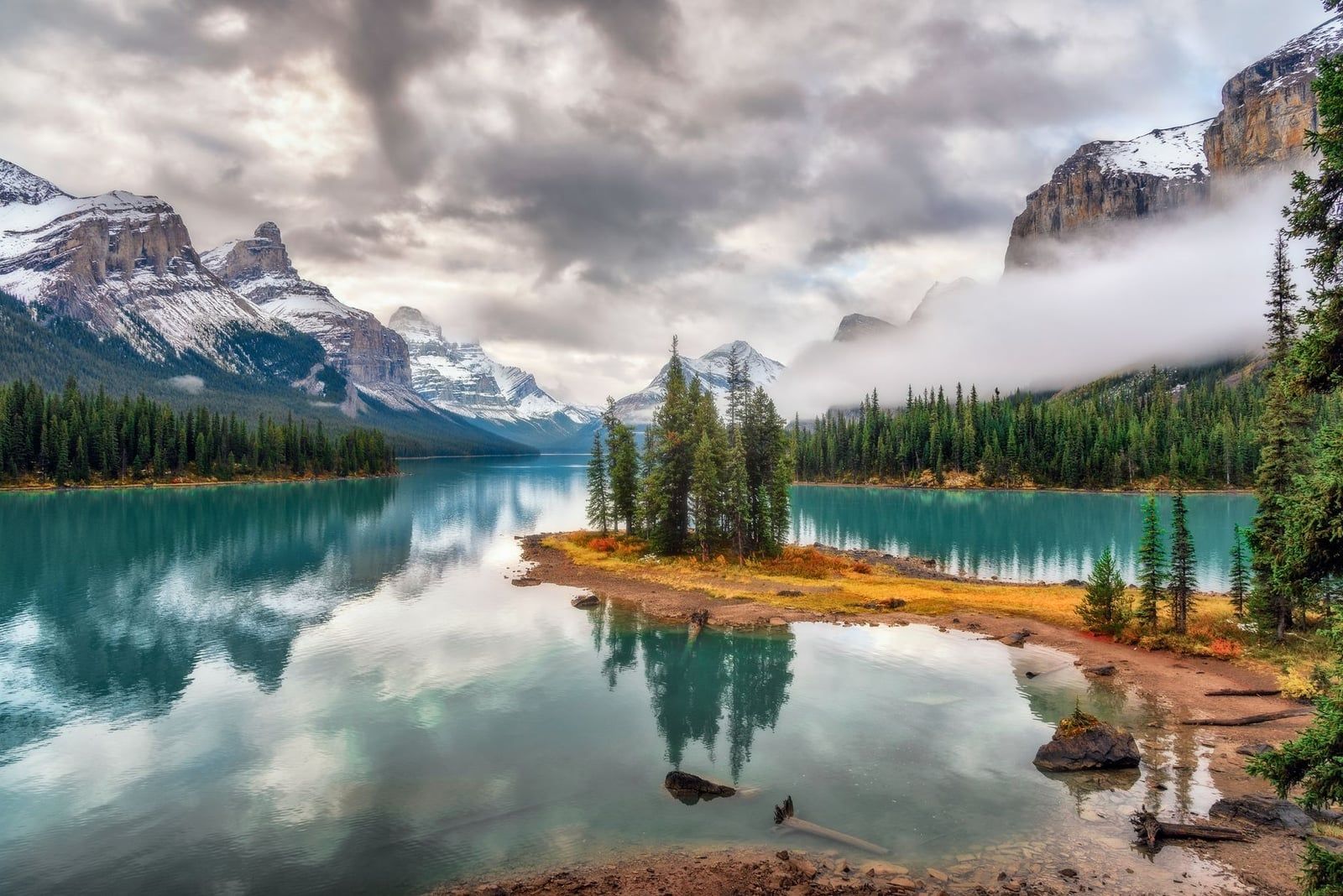
Maligne Lake is 23 km long, the largest natural lake in the Canadian Rockies, and the fire never touched this valley. Spirit Island — the tiny treed islet from every Rockies calendar — sits far down the lake and is reachable only by boat or paddle. The classic cruise runs about 1.5 hours with roughly 15 minutes on the island; the premium ticket adds about 15 more minutes for around $30 extra. Adult fares run roughly $86-105. Summer sailings sell out nearly every day, so book before you leave home.
| Maligne Lake cruise | Paddle-in canoe camping | |
|---|---|---|
| Cost | From roughly $86-105 per adult | Canoe rental plus $15/person/night backcountry permit |
| Time at Spirit Island | ~15 min on shore (~30 on premium) | Overnight — the island to yourself at dusk |
| Effort | None | ~4 km paddle to Hidden Cove; ~13 km to Fisherman's Bay |
| Crowds | A boat-load at a time | A handful of paddlers |
| Best for | First visits and tight schedules | Confident paddlers and photographers |
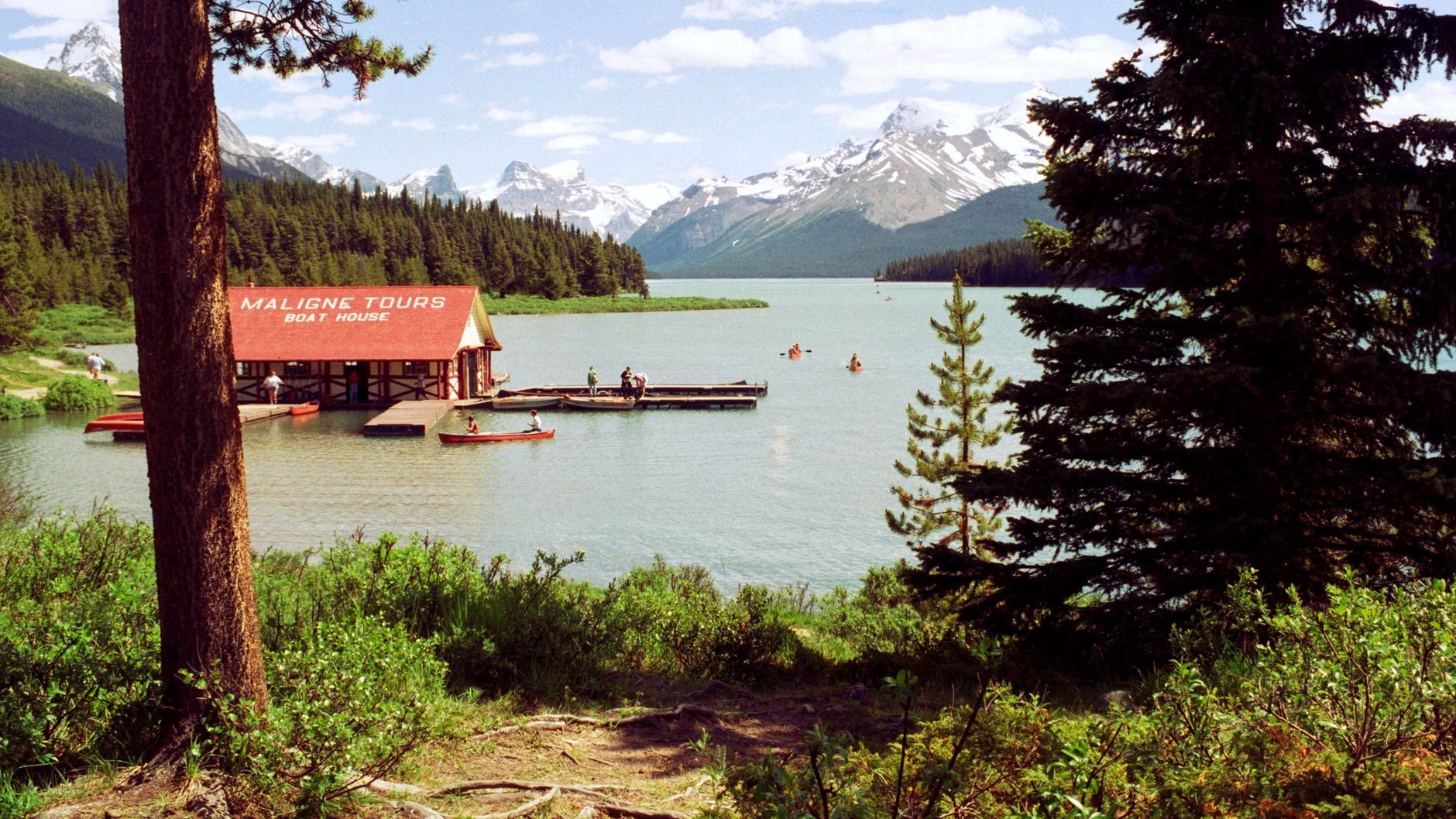
The Maligne Boathouse rents canoes and kayaks if you want the lake without the fixed schedule. Either way this is a full day — our Maligne Lake guide has the detail.
The Icefields Parkway & Columbia Icefield
The Icefields Parkway runs 233 km between the Jasper townsite and Lake Louise, and it earns its place on every scenic-drive list: glaciers sit at eye level for much of it. The Jasper-side stops fit in a half-day. The full run south to Banff deserves a day of its own — our Icefields Parkway driving guide covers Bow Lake, Peyto Lake and the rest.
Athabasca Falls
Eighteen minutes from town, the Athabasca River squeezes through a narrow quartzite gorge hard enough to shake the viewing bridges. Paved trails link the viewpoints in under half an hour. Fire burned the forest right up to the site in 2024; the falls area is fully open, and the blackened trunks are now part of the view.
Sunwapta Falls
Forty-five minutes south, Sunwapta was untouched by the fire. Most visitors stop at the upper falls, 300 m from the parking lot, and leave. Don't. The 2.8 km return walk to Lower Sunwapta Falls takes about an hour and sheds the crowds almost entirely.
Columbia Icefield Glacier Adventure & Skywalk
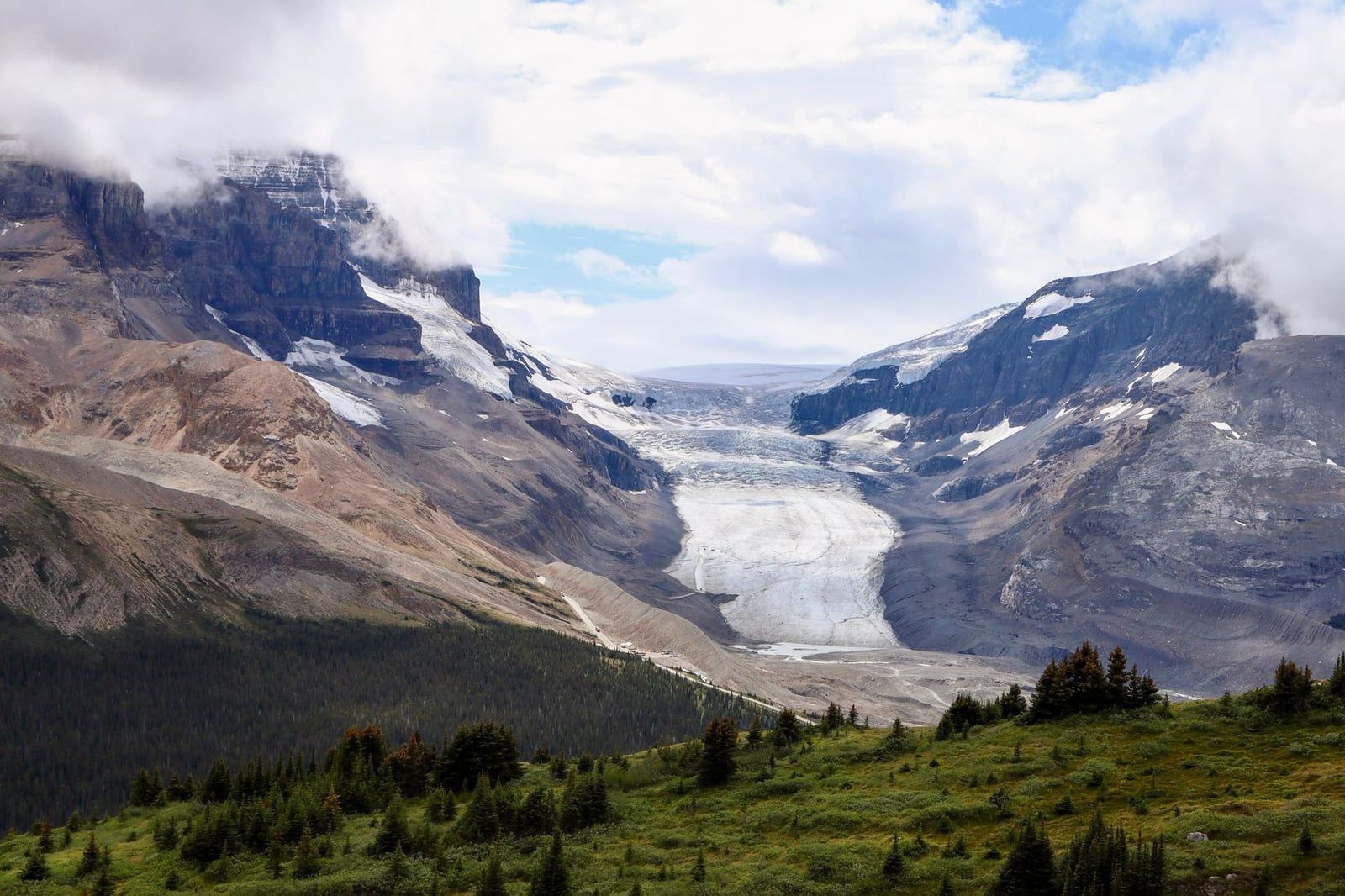
At 103 km south of Jasper, the Columbia Icefield is one of the largest accumulations of ice south of the Arctic Circle. The Glacier Adventure puts you in a six-wheel Ice Explorer driven onto the Athabasca Glacier; the Skywalk is a glass-floored platform suspended 280 m above the valley floor. Last published rates were around $103 for the glacier tour and $34 for the Skywalk, but prices have moved — check current Pursuit rates before budgeting. Honest take: the glacier view from the parking lot is free and enormous, and standing on the ice is what you pay for. If that matters to you, book early; July and August slots go.
Wilcox Pass
The free alternative starts from the same parking area. Wilcox Pass is a moderate 8 km round trip — 335 m of gain, 3 to 3.5 hours — to a hanging valley directly across from the icefield, with bighorn sheep on the trail more often than not. You stare at the same glacier the tour buses unload onto.
Jasper SkyTram & Whistlers Mountain
Built in 1964, the SkyTram is Canada's longest and highest guided aerial tramway, climbing to 2,263 m on Whistlers Mountain in about seven minutes while the operator narrates the geology. On clear days you can pick out six mountain ranges from the upper station. It reopened in 2025 after sitting out the fire season and runs roughly March to October.
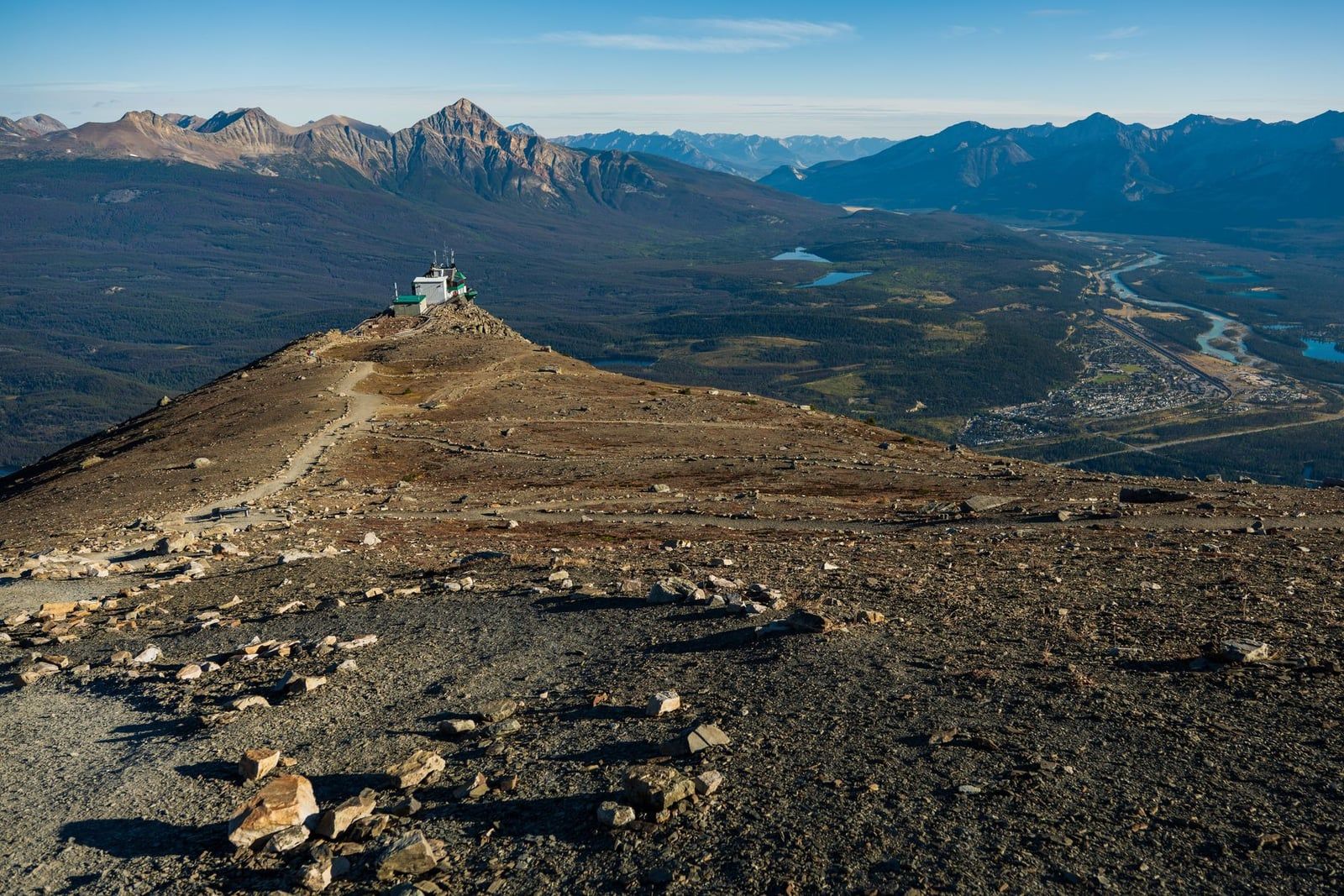
From the upper station, a 1.1 km trail (150 m of gain, about an hour round trip) continues to Whistlers Peak — do it, because the summit is where Mount Robson, the highest peak in the Canadian Rockies, appears on clear days. Roundtrip adult tickets start around $58.63; one-way tickets are half price, and locals hike up the old road and ride down. Bring a picnic — the summit restaurant is priced accordingly.
The Best Hikes in Jasper National Park
Jasper has roughly 1,000 km of trail; these five cover the spread from after-dinner stroll to three-day backpack, with drive times so you can bolt them onto day plans. Fire status noted where it matters, with more detail in our best hikes in Jasper guide.
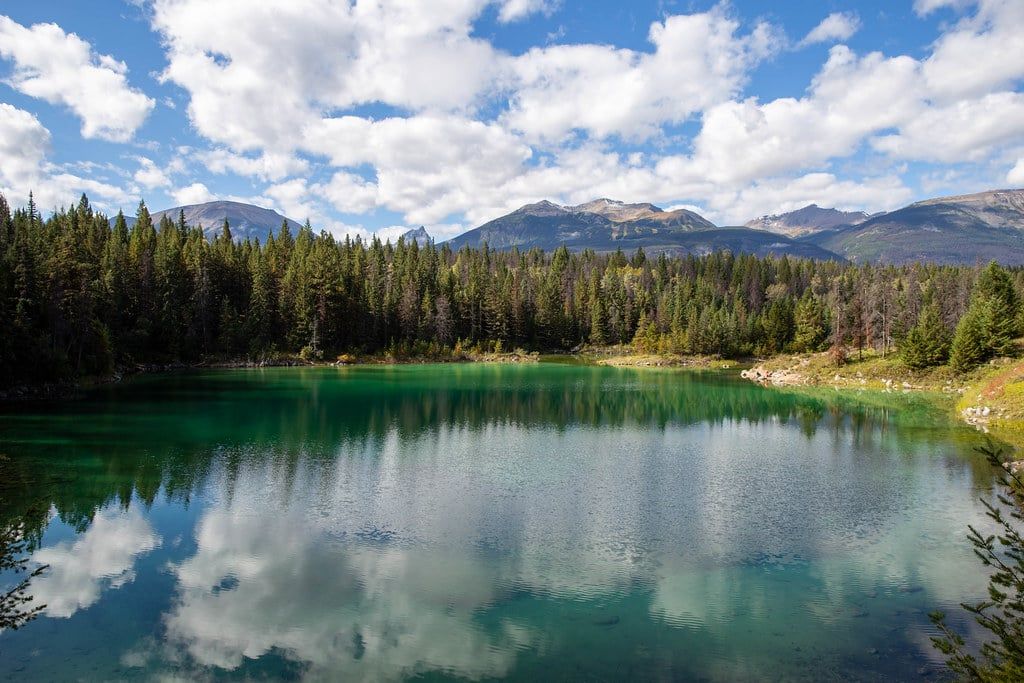
Valley of the Five Lakes
The easiest good hike in the park: a 4.5 km loop, twelve minutes from town, passing five small lakes in shifting shades of green and blue. It reopened for summer 2026 after wildfire damage. The parking lot fills extremely early in July and August — go before 9 am or don't go.
Mount Edith Cavell
Cavell Road switchbacks to a trailhead below the mountain's north face — narrow, seasonal, closed to trailers. The paved Path of the Glacier trail reaches the Angel Glacier and its iceberg-dotted pond in about 15 minutes of walking; continuing to Edith Cavell Meadows adds alpine flower fields and the big skyline. The short version is the best effort-to-payoff ratio in the park.
Sulphur Skyline & Miette Hot Springs
Sulphur Skyline is the hardest popular climb near town: 8.8 km round trip, 700 m of gain, 4 to 6 hours, all of it repaid at a 360° summit. The trailhead shares a parking lot with Miette Hot Springs — the hottest mineral springs in the Canadian Rockies, emerging at 54°C and cooled to 40°C soaking pools — so the standard play is to climb all day and soak after. Miette is about an hour's drive from town, typically open May to September, untouched by the fire, with bighorn sheep loitering on the road up.
Bald Hills
The ridge directly above Maligne Lake, reached from the far end of the Maligne Lake Road. It's the natural add-on to your Spirit Island day: moderate climbing to a lookout over the full length of the lake. Pair it with the morning cruise and you've used the drive twice.
The Skyline Trail
For backpackers: 45 km from Maligne Lake to the Signal Mountain trailhead, mostly above the treeline, typically walked in three days. It needs shuttle logistics and a backcountry permit ($15/person/night, booked at reservation.pc.gc.ca), and sites are quota-limited — reserve early.
On the Water: Paddling, Rafting & Swimming
Jasper's kettle lakes sit minutes from downtown, which makes beach and paddle days the easiest items on this list. Rentals are scattered around the park:
- Maligne Boathouse — canoes and kayaks at the lake itself
- Pyramid Lake Resort — canoes on the warmest water
- Lac Beauvert and Lake Edith — SUP and canoe rentals in summer
- Town outfitters — full gear and shuttle options
Pyramid Lake
Ten to fifteen minutes from town, under the rock pyramid of Pyramid Mountain. The footbridge to Pyramid Island is the photo; the swimming is the surprise — the lake isn't glacier-fed, so it's the warmest swimming water in the park. Wildcurrent Outfitters runs guided canoe tours from the shore, and in winter the same lake hosts horse-drawn sleigh rides.
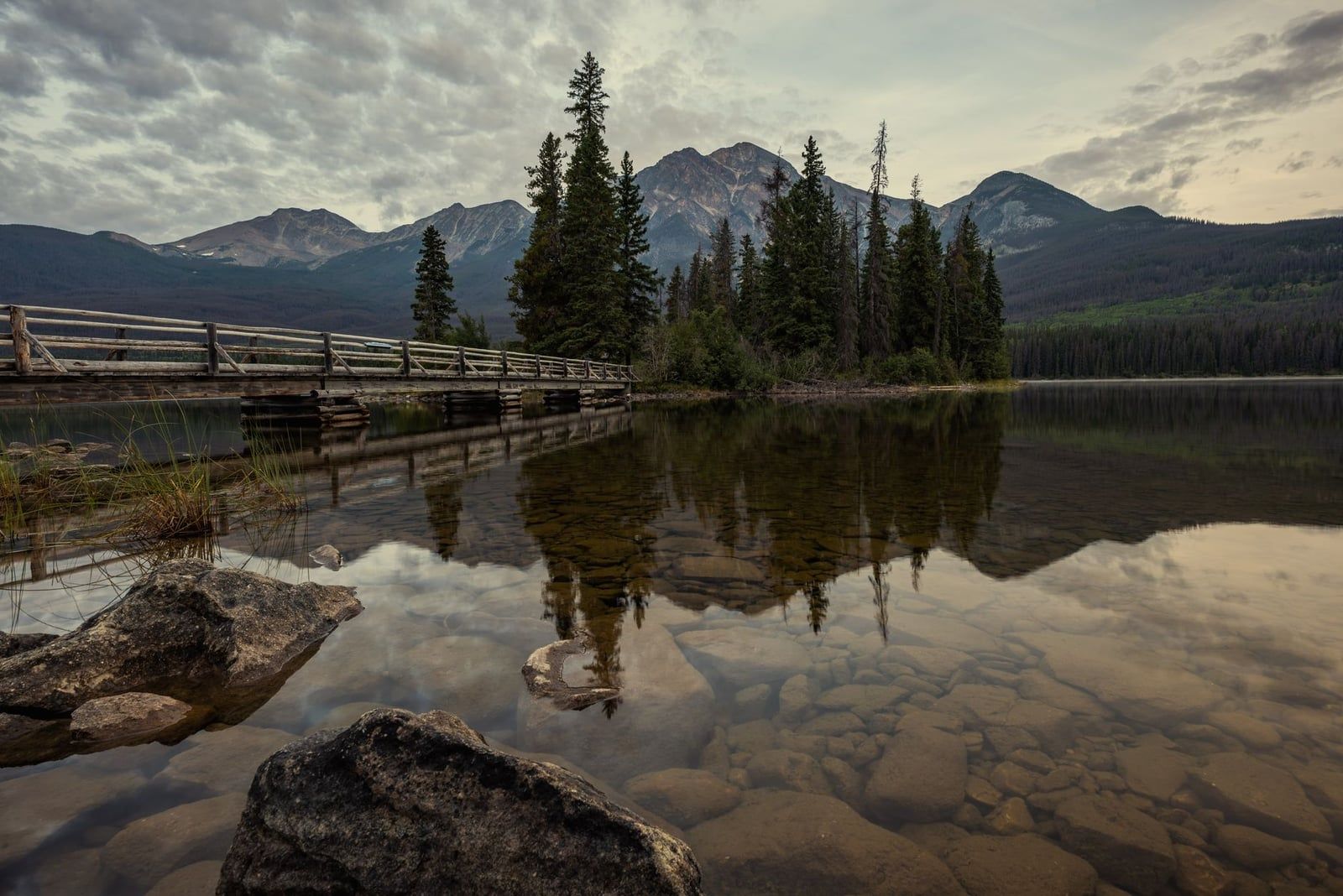
Lake Annette, Lake Edith & Lac Beauvert
Three lakes stacked south of town, all with sandy edges. Lake Annette has a paved, wheelchair-friendly 2.4 km loop — the easiest walk near town — plus a beach; Lake Edith next door is quieter. Lac Beauvert fronts the Fairmont Jasper Park Lodge, which sells day passes for its pool and spa if you want the lodge without the room rate.
Whitewater Rafting on the Athabasca
Rafting season runs from the May long weekend through September. The introductory trip is Class 2 — gentle enough for kids from about age six and grandparents alike — while longer runs add bigger water. Guided trips handle everything; compare Athabasca rafting tours for the options.
Horseshoe Lake
The local swimming and cliff-jumping hole, twenty-five minutes south on the Icefields Parkway. It's unmarked, beautiful, and genuinely dangerous: glacial-cold water, no lifeguards, and people have died jumping. Treat it as at-your-own-risk, scout the landing before you leap, and keep children well back from the ledges.
Wildlife Watching in Jasper
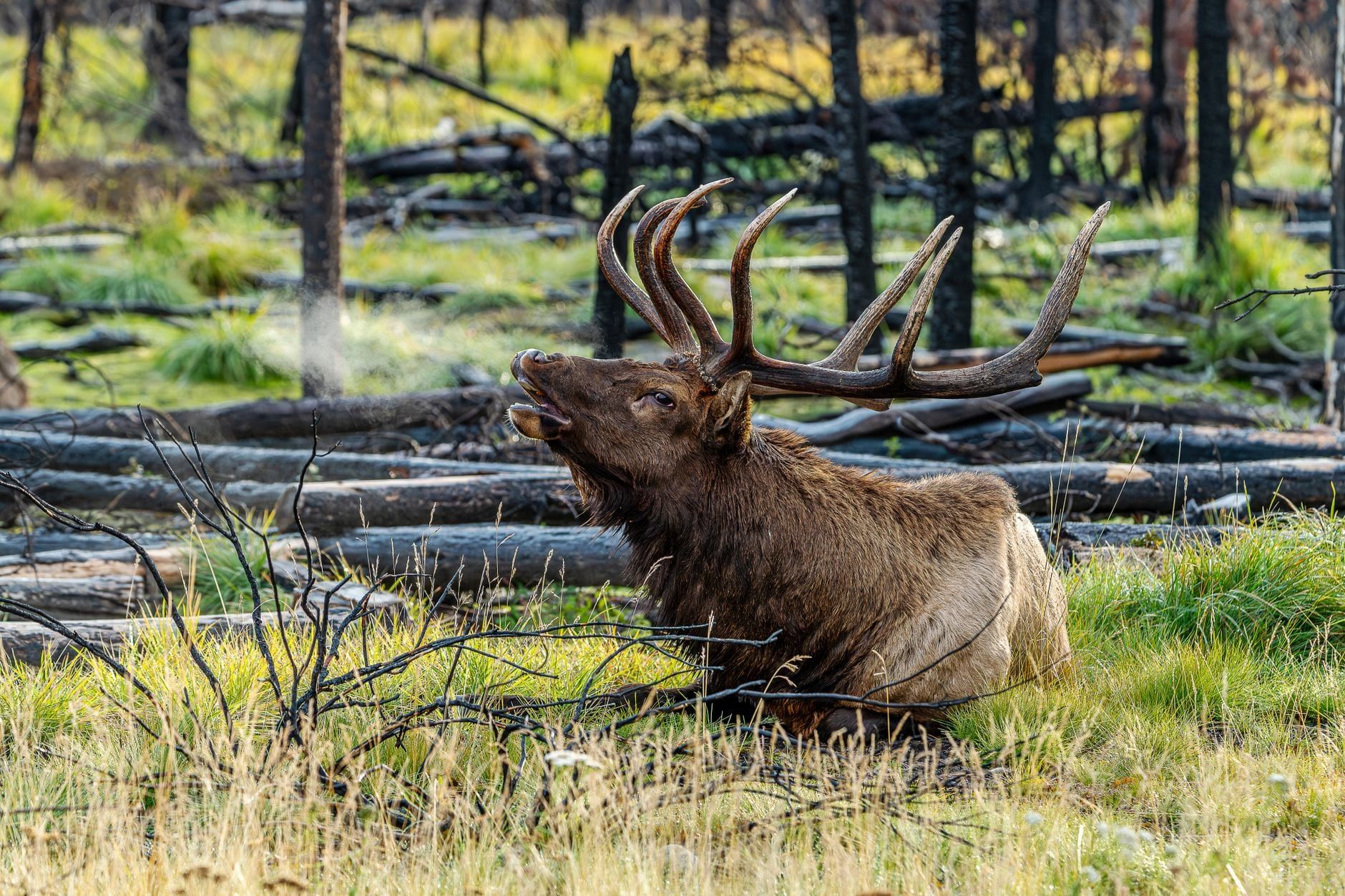
More than 60 mammal species live here — black and grizzly bears, elk, moose, bighorn sheep, deer — and Jasper carries more bears than Banff. Dawn and dusk are the active windows; the Maligne Lake Road, Highway 93A and the Miette road are the productive drives, and spring and fall beat midsummer for odds.
The rules are enforced and they matter: stay 30 m from elk, deer and moose, 100 m from bears and other carnivores, and never feed or approach anything — a fed animal often ends up destroyed. Carry bear spray on every trail, somewhere you can actually reach it. Our Jasper wildlife guide covers what you'll see and where to find it.
After Dark: Stargazing, Food & Evening Fun
Jasper does two evening things unusually well: skies and dinner. The town itself is a dark-sky preserve's service hub, which means you can leave the restaurant, drive ten minutes, and be under proper night.
Stargazing & the Jasper Planetarium
Jasper is the world's second-largest dark-sky preserve — over 11,000 km² of protected night sky — and October's Dark Sky Festival is built around it. On your own, drive out to Pyramid Lake, Medicine Lake or Maligne Lake after the crowds leave and give your eyes twenty minutes. The Jasper Planetarium runs dome shows and telescope sessions year-round with the largest telescopes in the Rockies. Aurora is possible any clear night, best in fall and winter — our northern lights guide has the odds and tactics.
Evenings in Town
Downtown took the worst of the 2024 fire, but most businesses have reopened and the town needs the business. The evening options run deeper than most mountain towns: 'From Jasper With Love' is a one-hour, visitor-friendly comedy show at the Lobstick Lodge on summer nights, and Jasper Food Tours runs a year-round Downtown Crawl — four restaurants, paired food and drinks, local history between stops. Eating on your own: Bear's Paw Bakery for breakfast, Jasper Brewing Co (Canada's first national-park brewery, pouring since 2005) for the afternoon, Evil Dave's or The Raven Bistro for dinner.
Jasper in Winter
Marmot Basin is the anchor: about 100 named runs across several mountains, a 20-minute drive from town, open early November to early May, and uncrowded even in holiday weeks. The fire never reached it.
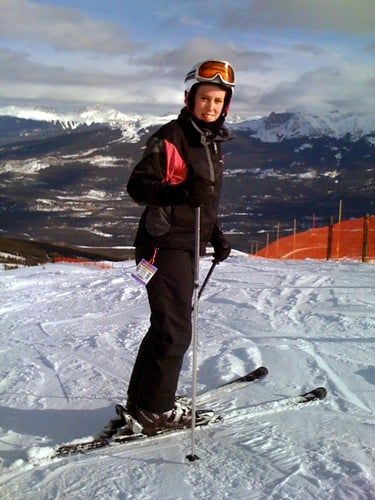
Off the slopes: skate the frozen kettle lakes (Lake Mildred at the Fairmont JPL is the biggest oval; Lake Annette and Lake Edith also freeze — all unmonitored, so skate at your own risk), snowshoe or cross-country ski with rentals from Jasper Sports or Totem Ski Shop, take a Pyramid Lake sleigh ride, or book dog sledding. The famous Maligne Canyon icewalk is off the table while the canyon stays closed — verify current status before booking anything that depends on it. Time a trip to Jasper in January, the month-long festival with ski deals, Whiskey, Wine & Hops events, free snowshoe lessons and street parties.
Where to Stay & Camp
Base in the townsite: every attraction in this guide is a 10- to 90-minute drive, and downtown is walkable for dinner. The fire removed roughly a third of the town's structures, so the remaining rooms go faster than older guides suggest — summer rates at the lakeside lodges can top $400 a night.
For camping, Wapiti (363 sites, flush toilets and showers, open year-round with about 75 winter sites), Wabasso (231 sites, summer) and Snaring (62 sites, pit toilets) all take reservations, which open in January — peak-summer sites fill that same month. Lakeside alternatives to the Fairmont Jasper Park Lodge (reopened October 1, 2024, with spa and pool day passes) are Pyramid Lake Lodge and Patricia Lake Bungalows. Backcountry trips need a $15/person/night permit from reservation.pc.gc.ca.
Frequently asked questions
How many days do you need in Jasper National Park?
Three full days covers a first visit: one for the Maligne Valley, one for the Icefields Parkway and Columbia Icefield, one for town, lakes and a hike. Add a fourth or fifth for Sulphur Skyline, Miette Hot Springs or the Skyline Trail.
Do you need a park pass to visit Jasper National Park?
Yes, every visitor needs a Parks Canada pass. Daily admission is $12.25 per adult, $24.50 for a family or group of up to seven in one vehicle, and youth 17 and under are free. An $83.50 adult Discovery Pass pays off on Rockies trips of seven days or more.
Is the Maligne Lake cruise to Spirit Island worth it?
For most visitors, yes — the boat is the only practical way to reach Spirit Island, and the classic cruise gives you about 15 minutes on shore. Summer sailings sell out daily, so book ahead. The DIY alternatives are renting a canoe or paddle-in camping at Hidden Cove or Fisherman's Bay.
Is Maligne Canyon open after the Jasper wildfire?
No. The canyon has stayed closed since the July 2024 wildfire, though the 5th/6th Bridge parking area downstream remains visitable. Check Parks Canada's current bulletins before your trip, as status changes as recovery work progresses.
What is the best month to visit Jasper?
June through September for warm weather and full access; July and August are warmest but busiest, while September gives you open trails with far fewer cars. October suits stargazers thanks to the Dark Sky Festival; January and February suit skiers.
Can you see the northern lights in Jasper?
Yes. As the world's second-largest dark-sky preserve, Jasper gets aurora on clear nights year-round, with the best odds in fall and winter. The Jasper Planetarium runs telescope sessions, and October's Dark Sky Festival is the biggest night-sky event.
Do you need bear spray in Jasper?
Recommended on every trail — Jasper has more bears than Banff. Buy or rent it in town, keep it on your hip or pack strap where you can grab it, and know how to deploy it before you need to.
What can you do in Jasper in winter?
Ski or snowboard Marmot Basin (early November to early May), skate the frozen kettle lakes, snowshoe or cross-country ski, take a Pyramid Lake sleigh ride or go dog sledding. The Jasper in January festival adds ski deals, food events and street parties.