About All Tours Audio Driving ToursWildlife ToursBoat ToursHiking ToursRiver Rafting Tours Directions Hours & Fees Guides
Find Tours 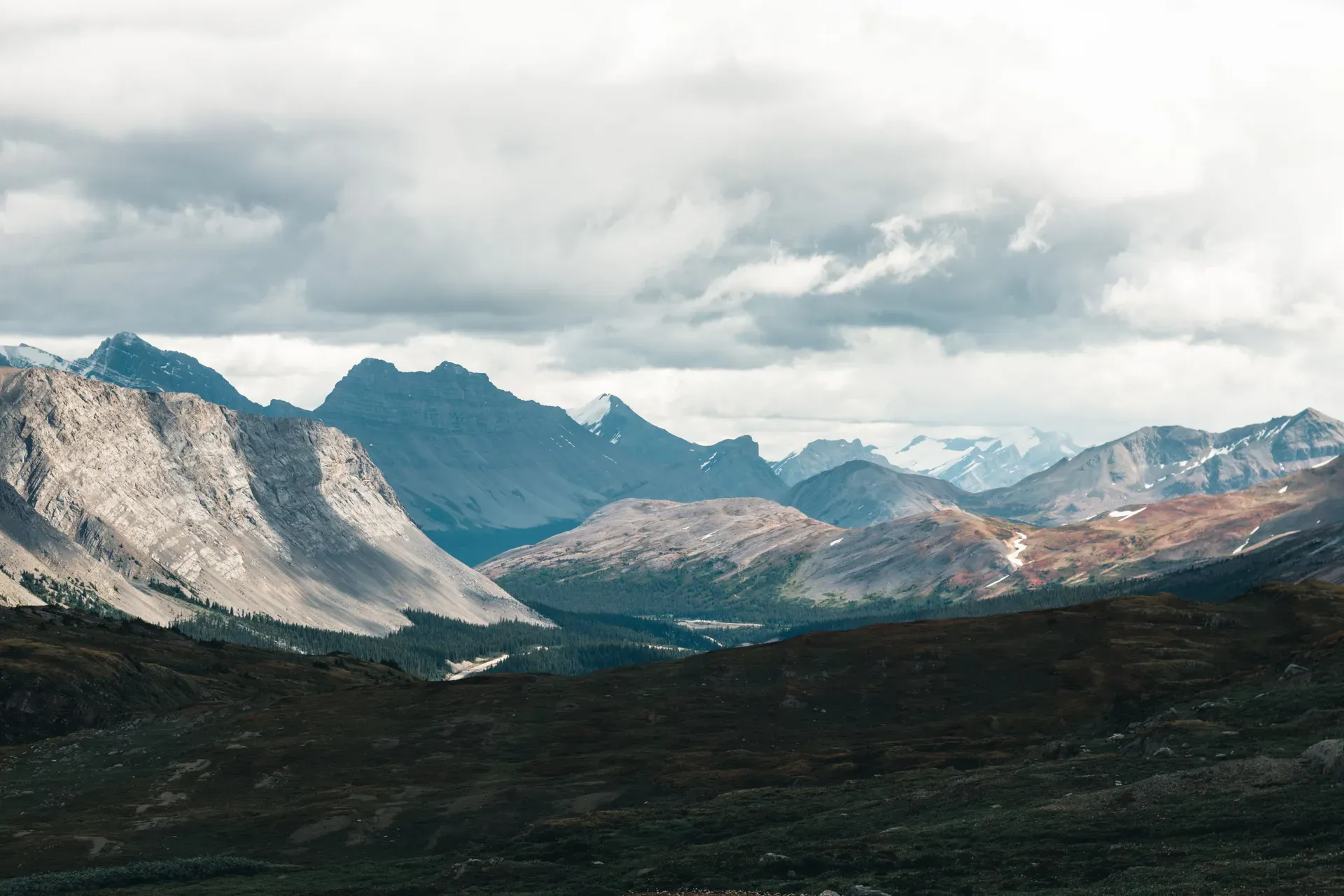
Alberta's highest peak and the 50-meter-deep walls of Maligne Canyon anchor this 11,000-square-kilometer wilderness. Drive the Icefields Parkway to walk directly onto the Athabasca Glacier, or wait for nightfall to watch the stars in the world's second-largest Dark-Sky Preserve.
Find Guided ToursJasper National Park covers over 11,000 square kilometers of the eastern Rocky Mountains in west-central Alberta. It's the largest national park in the Canadian Rockies. Elevations shift from 985 meters near the east gate up to Mount Columbia, Alberta's highest peak at 3,782 meters. The terrain holds braided river valleys, limestone canyons, and a sprawling section of the Columbia Icefield.
Indigenous peoples traveled and used this area for generations. In 1830, Jasper House opened as a fur-trading post on Jasper Lake. The federal government designated the boundaries as Canada's fifth national park in 1907. A central townsite grew around the tracks when the Canadian Northern Railway arrived early in the century. Decades later, the 1940 completion of the Icefields Parkway connected Jasper directly to Banff and Lake Louise.
Jasper joined the UNESCO World Heritage list in 1984 alongside Banff, Yoho, and Kootenay. The designation recognizes the region's fossil beds, canyons, and glacial features. It's also the world's second-largest Dark-Sky Preserve. That protected night sky spans the entire park, keeping artificial light away from nocturnal habitats and drawing visitors for the annual October Dark-Sky Festival.
Extensive montane, subalpine, and alpine ecosystems support some of North America's healthiest populations of grizzly bears, moose, caribou, and elk. The environment is currently adapting to a sudden shift. In July 2024, a historic wildfire burned over 32,000 hectares — damaging 358 of the town's 1,113 structures. Recovery work continues today.
Discover the full history and cultural significance on our About page.
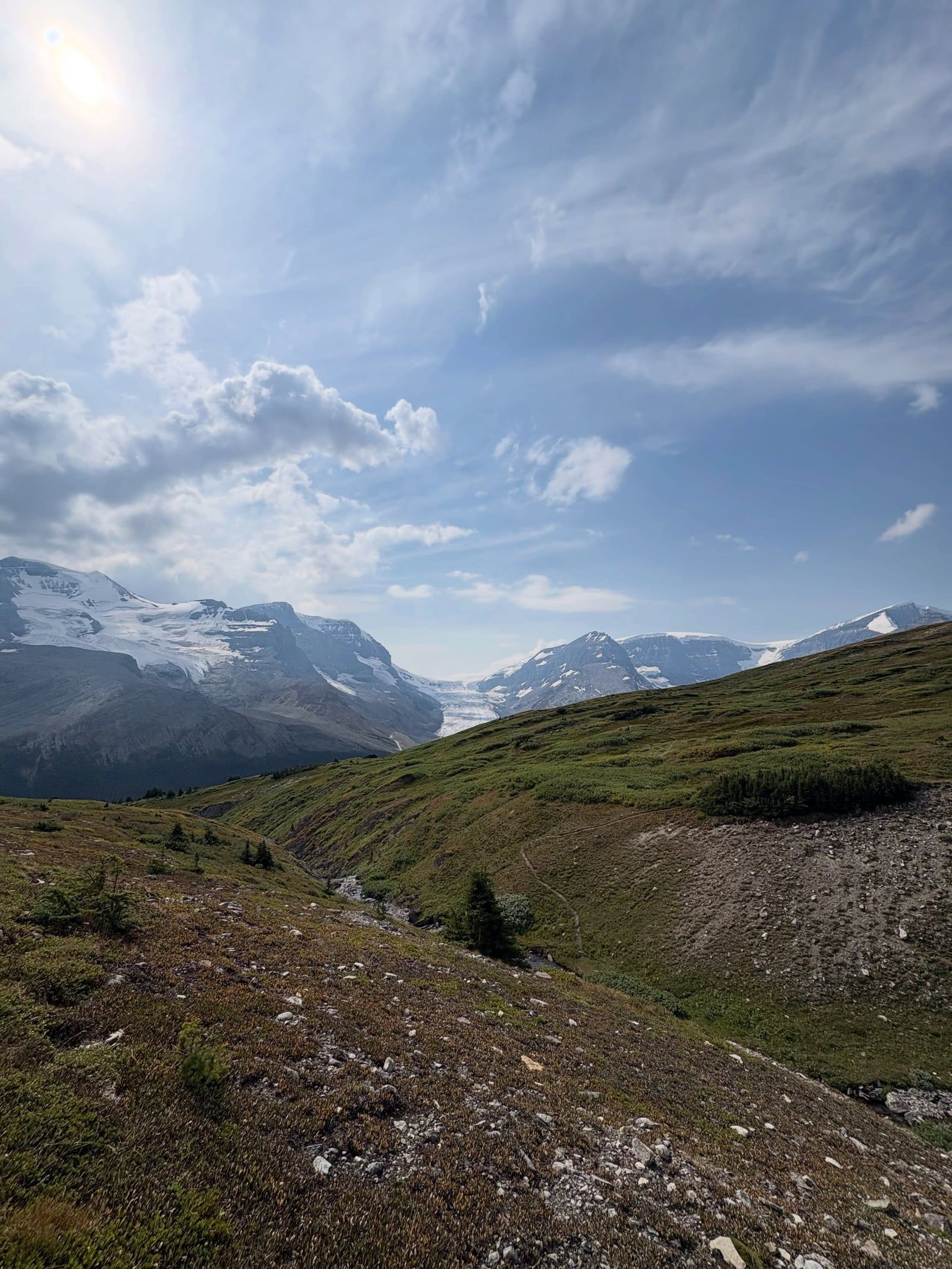
Guided Ice Explorer vehicles drive directly onto the Athabasca Glacier so you can step out on the ice. Afterward, head to the Columbia Icefield Skywalk. It's a glass-floored observation deck suspended 280 metres above the valley floor, giving you a clear drop straight down into the gorge.
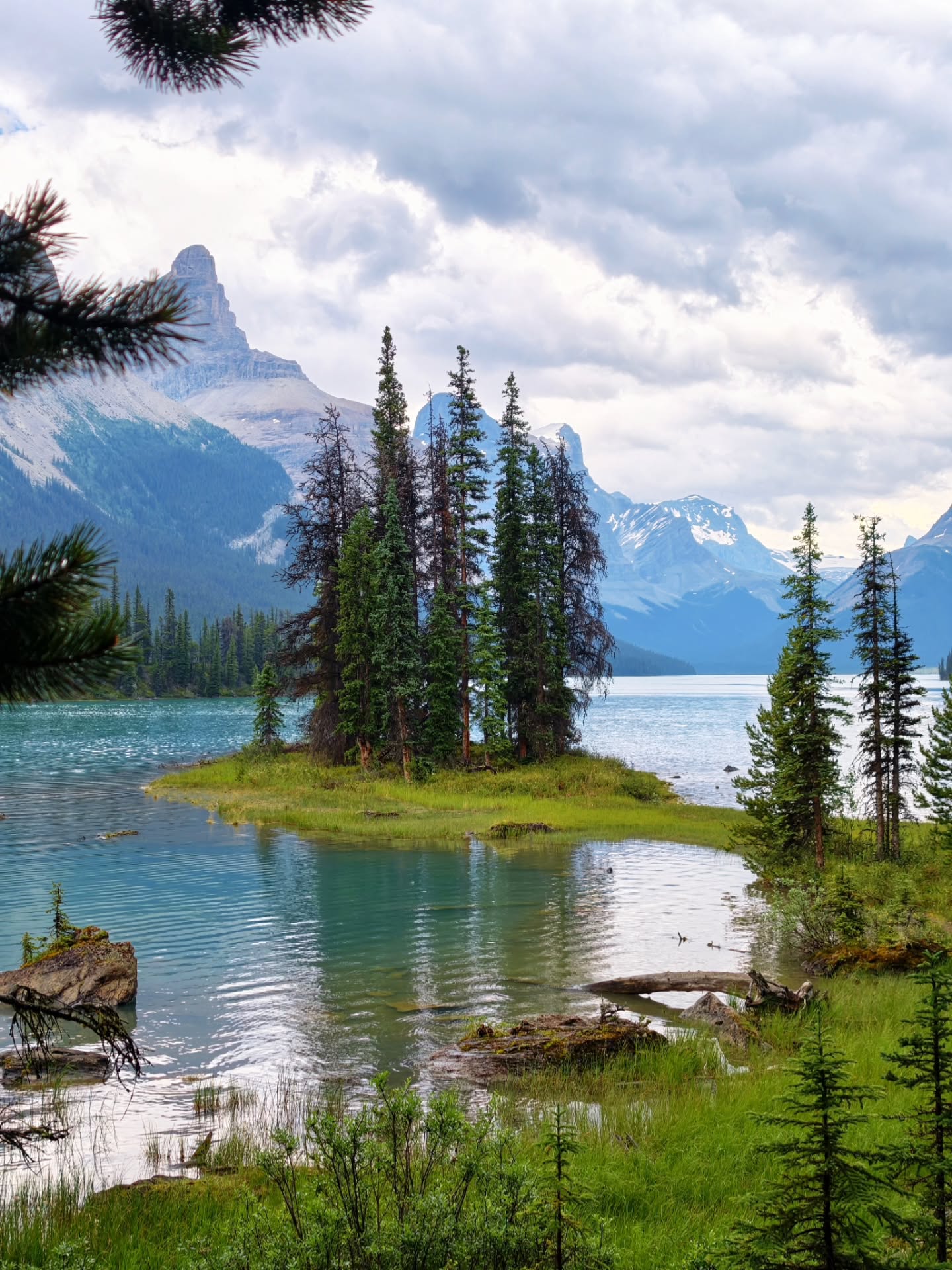
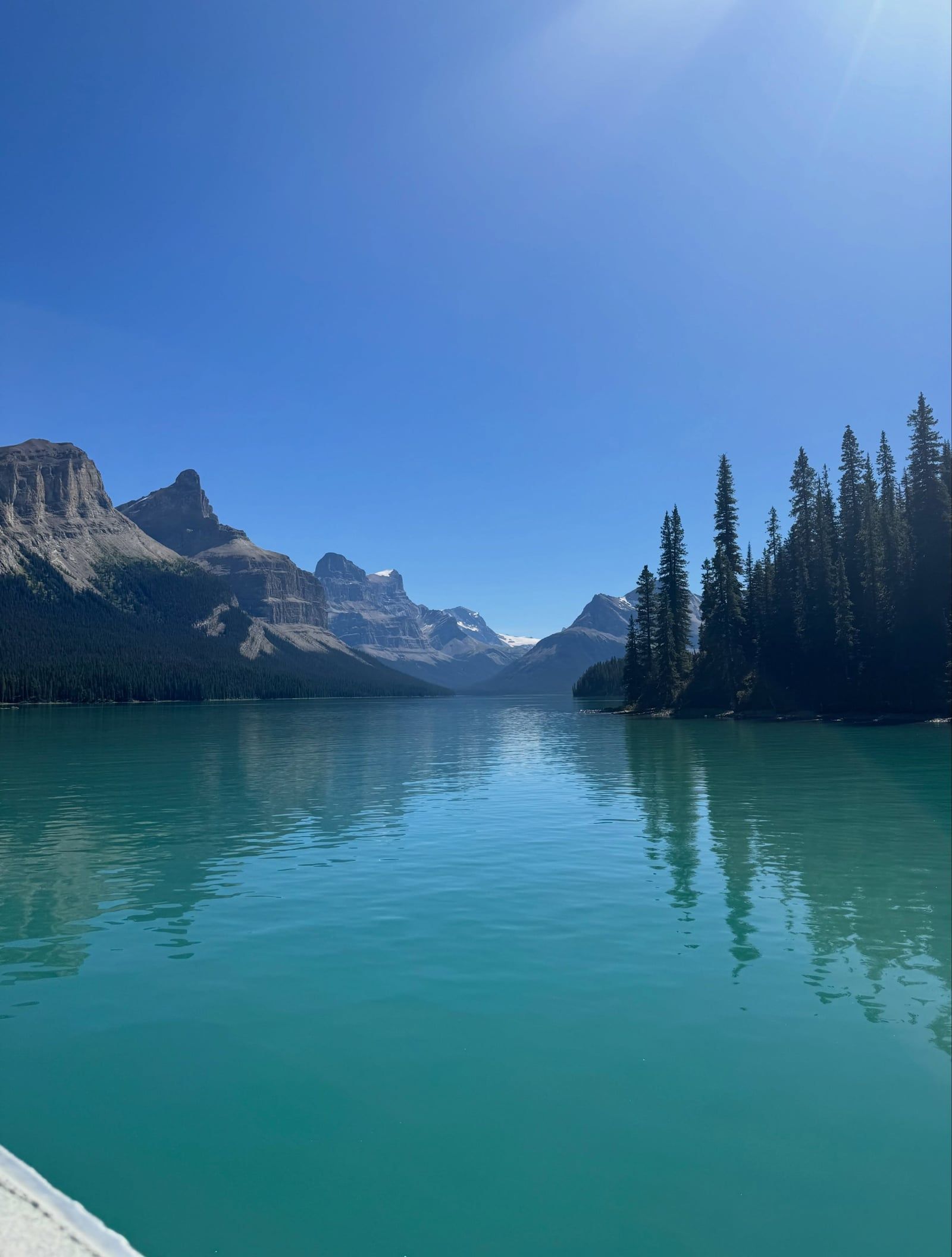
Drive 44 kilometres down Maligne Road to reach the largest natural lake in the Canadian Rockies. You'll want to rent a canoe to paddle beneath 3,000-metre peaks, or book the boat cruise to Spirit Island. Go early in the morning to beat the summer crowds.
Jasper protects over 11,000 square kilometres of night sky. That makes it the second-largest Dark-Sky Preserve in the world. Head out to Pyramid Lake after dark for clear views of the Milky Way and the Northern Lights. Don't miss October's annual Dark-Sky Festival and its star parties.
Canada's longest and highest guided aerial tramway takes just seven minutes to reach 2,263 metres on Whistlers Mountain. You'll skip the long hike and get immediate panoramic views across six different mountain ranges. Bring a jacket, because freezing temperatures are possible up top even in July.
Book guided trips starting at $60, with free 24-hour cancellation and hotel pickup on most tours.
Swipe to see more
June through September delivers the warmest weather and full access to high-elevation trails, though July and August bring heavy crowds and wildfire smoke. Late May, June, and September provide the best balance of active wildlife and manageable parking.
April means muddy, snow-patched trails and limited operating hours. But late May improves. You'll get a brief window of active wildlife before the summer rush.
Daily highs hit 20 to 22°C. This clears the snow from high-elevation trails. June keeps the crowds light, while July and August bring congested parking lots and potential wildfire smoke.
September strikes an optimal balance of active wildlife and open trails. Then November drops into unpredictable territory—expect muddy paths, early snow, and reduced services.
Freezing temperatures keep most visitors away. Major travel routes stay plowed. This opens up quiet access for skiing and guided ice walks through the frozen waterfalls of Maligne Canyon.
The park stays open 24 hours a day, 365 days a year. Major roads are maintained through winter, though severe weather can force temporary closures. The main Information Centre in town (500 Connaught Drive) operates daily from 9 am to 5 pm, extending its hours to 7 pm during the summer peak (May 14 to September 27). It closes on December 25. If you need the Parks Canada desk at the Columbia Icefield Centre, it only opens from mid-May to late September, 10:30 am to 5 pm.
| Category | Price |
|---|---|
| Adult (18-64) Daily | $12.25 CAD |
| Senior (65+) Daily | $10.75 CAD |
| Youth (17 and under) Daily | Free |
| Family/Group (up to 7 in one vehicle) Daily | $24.50 CAD |
| Adult Discovery Pass (Annual) | $83.50 CAD |
| Senior Discovery Pass (Annual) | $71.50 CAD |
| Family/Group Discovery Pass (Annual) | $167.50 CAD |
Parks Canada is running a 'Canada Strong Pass' program that provides free admission and discounted camping through September 7, 2026. Standard daily and annual fees resume September 8. If you plan to camp in the backcountry, you must book a mandatory permit for $15 per person per night at reservation.pc.gc.ca.
For complete schedules and ticket prices, visit our Hours & Fees page.
Jasper lacks a commercial airport, so you have to fly into Edmonton, Calgary, or Vancouver first. From there, rent a car, book a shuttle, or catch a train into the mountains.
📍 500 Connaught Drive, Jasper, Alberta
Edmonton offers the most direct route into the park. Drive west on Highway 16, also known as the Yellowhead Highway, covering roughly 365 kilometers. You pass through Edson and Hinton before hitting the east gate. It is a straightforward drive with plenty of places to stop for gas, making it the most flexible way to arrive.
Driving from Calgary takes longer but delivers better scenery across 415 kilometers. Take the Trans-Canada Highway to Banff and Lake Louise. Then turn north onto Highway 93, the Icefields Parkway, steering straight through the Columbia Icefield. Traffic often moves slower here. Expect delays as drivers pull over for glacier views.
VIA Rail runs regular passenger service straight to the Jasper station. You can board in Edmonton for a daytime trip, or catch the cross-Rockies overnight route from Vancouver. The Rocky Mountaineer also operates a seasonal daytime tourist train from Vancouver or Banff. Book early for summer travel. Prices jump significantly depending on your class of service.
SunDog Transportation runs daily connector shuttles directly from the Edmonton and Calgary airports to Jasper. The Calgary route travels via Banff and the Icefields Parkway. Brewster Express also operates seasonal tour buses along this corridor. You skip the stress of driving. But you lose the freedom to pull over at trailheads.
For detailed transport options and routes, visit our Directions page.
Admission is completely free through September 7, 2026. Parks Canada waived the usual $12.25 daily adult fee to encourage post-wildfire visits. You also get discounted camping rates during this period. Regular pricing resumes on September 8.
The 2024 wildfire left thousands of unstable, burned trees that can fall without warning. Stay strictly on marked, open trails. Check the Parks Canada 'What's Open' page before heading out. Crews are still actively removing damaged timber and enforcing localized closures.
Backcountry camping requires a $15 per night permit, but you do not need to register in person. Book online at reservation.pc.gc.ca or call 1-877-737-3783. Your emailed confirmation letter serves as your official permit. Save it to your phone or print it before hitting the trail.
The 44-kilometer route to Maligne Lake gets heavily congested midday during July and August. Head out early in the morning to beat the traffic. Pre-book your boat cruise if you want to see Spirit Island. Parking at the lake fills up fast by noon.
Stay at least 100 meters away from bears and 30 meters from elk, deer, and moose. Elk become highly aggressive during the spring calving and fall rutting seasons. Carry bear spray on every hike and make noise in brushy areas. Report aggressive animals to Jasper Dispatch at 780-852-6155.
Not all park roads accommodate every vehicle. The narrow, switchbacking Cavell Road prohibits RVs and trailers. Celestine Lake Road enforces one-way timed travel windows. Review the Parks Canada road restrictions page before driving these routes to avoid being turned back.
This massive icefield feeds glaciers visible right from the highway. Book an Ice Explorer vehicle tour to walk directly on the Athabasca Glacier. You can also step onto the glass-floored Skywalk suspended 280 meters over the valley.
Cross the British Columbia border to see the highest peak in the Canadian Rockies. Mount Robson tops out at a massive 3,954 meters. The park also provides access to the classic multi-day Berg Lake Trail.
These are the hottest mineral springs in the Canadian Rockies. Water emerges at 54°C before cooling to a comfortable 40°C in the Fiddle Valley soaking pools. Soak here after a long day on the trails.
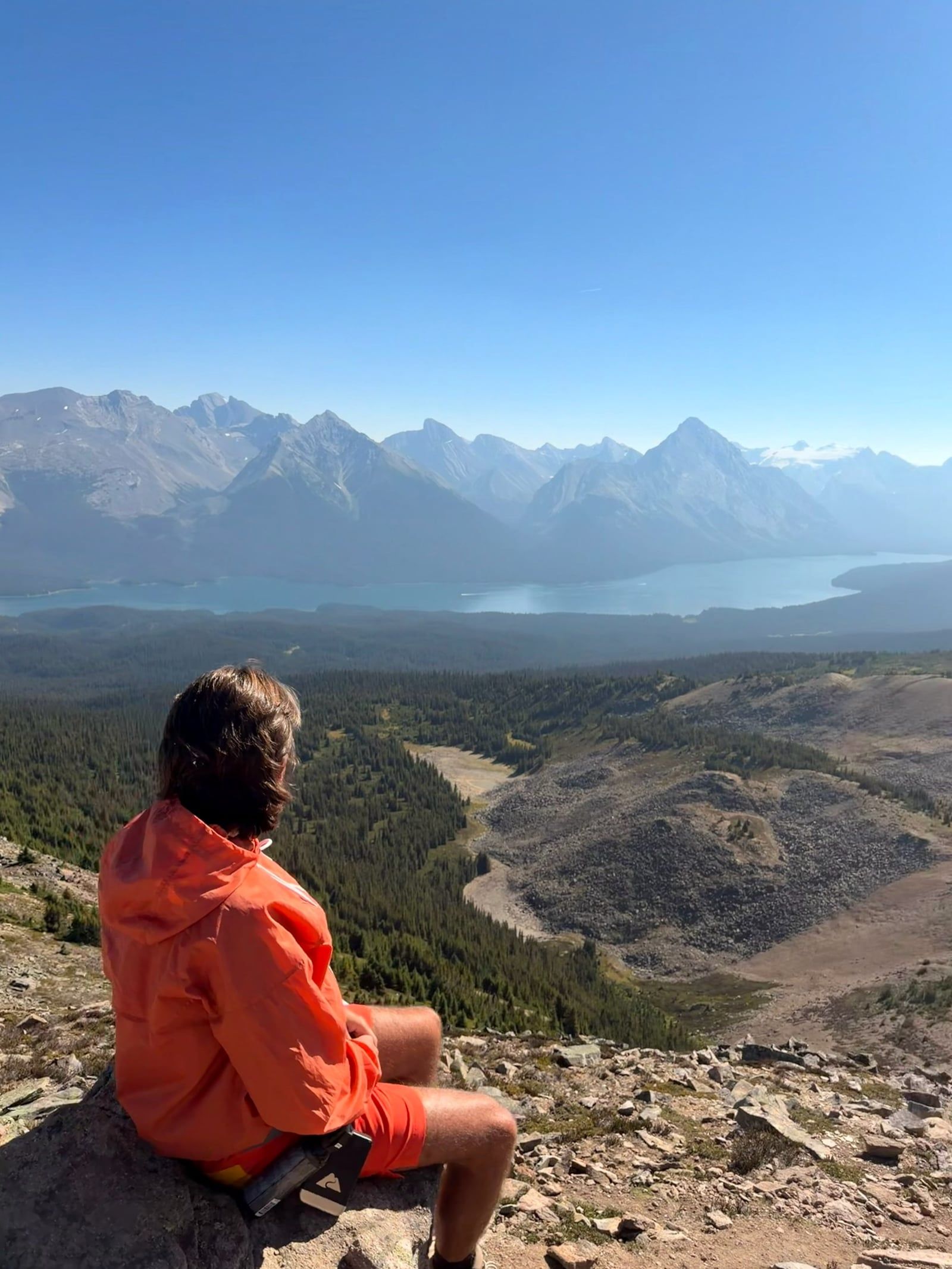
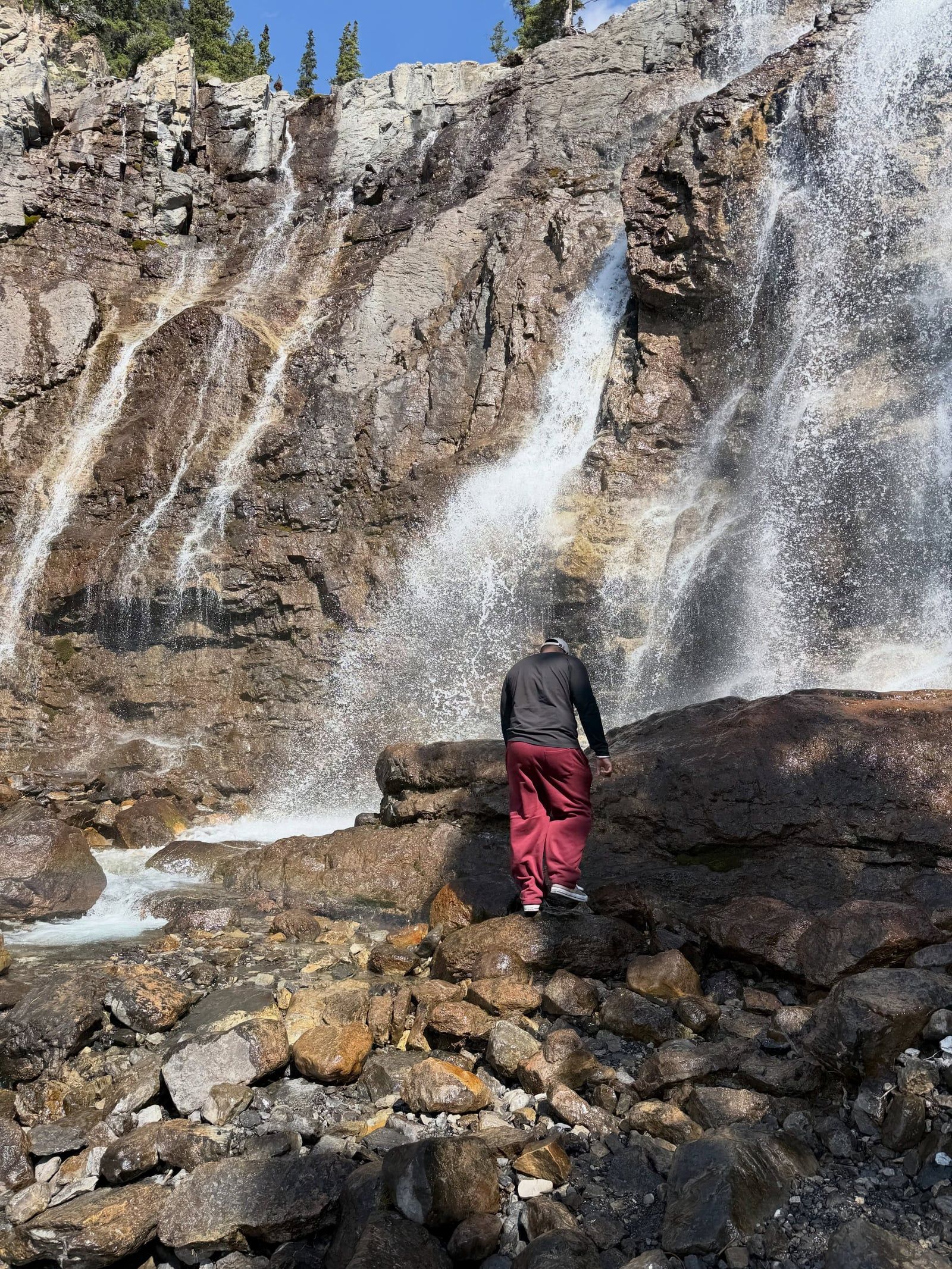
Read what travelers share about their experience visiting Jasper National Park — from practical tips to personal highlights.
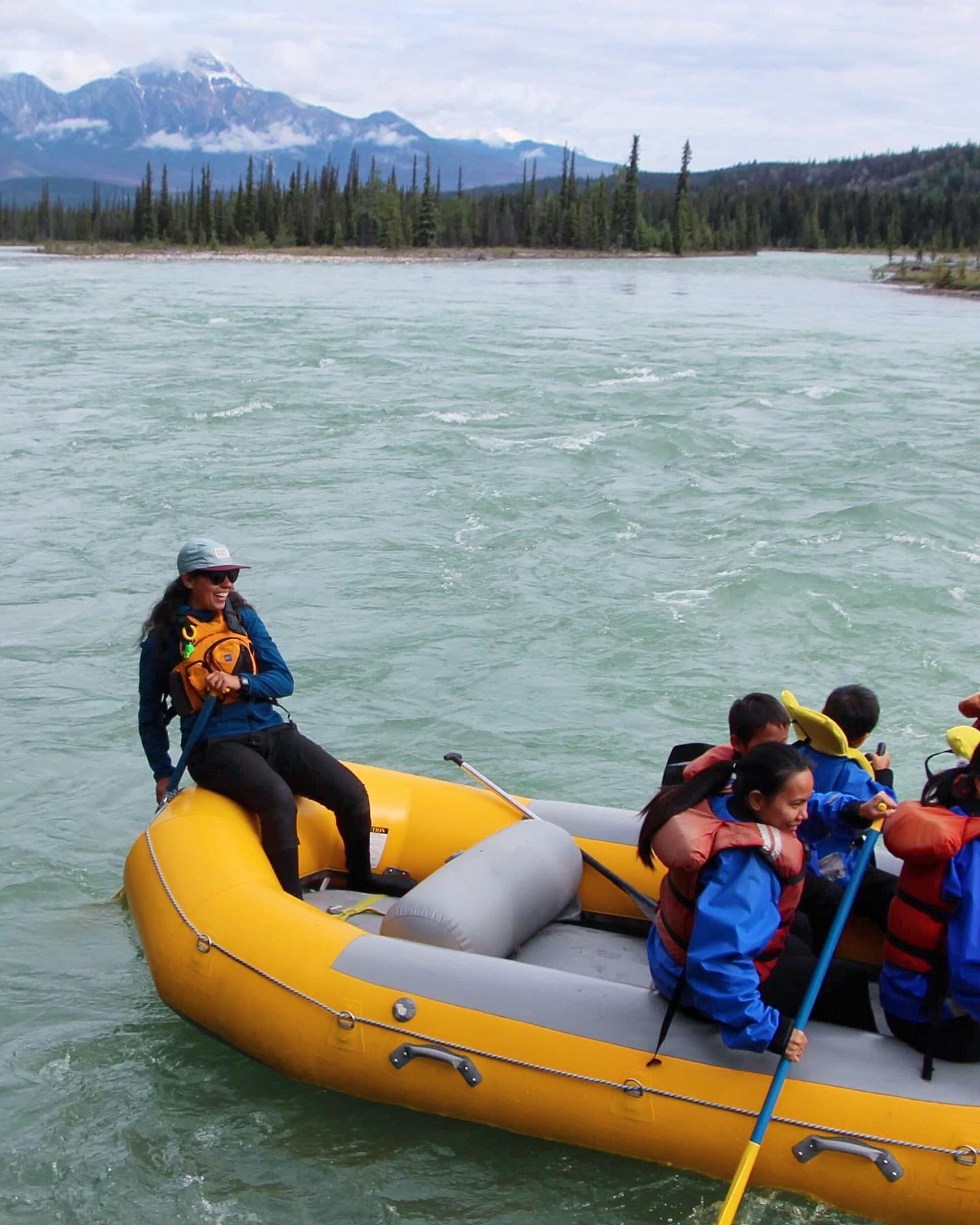
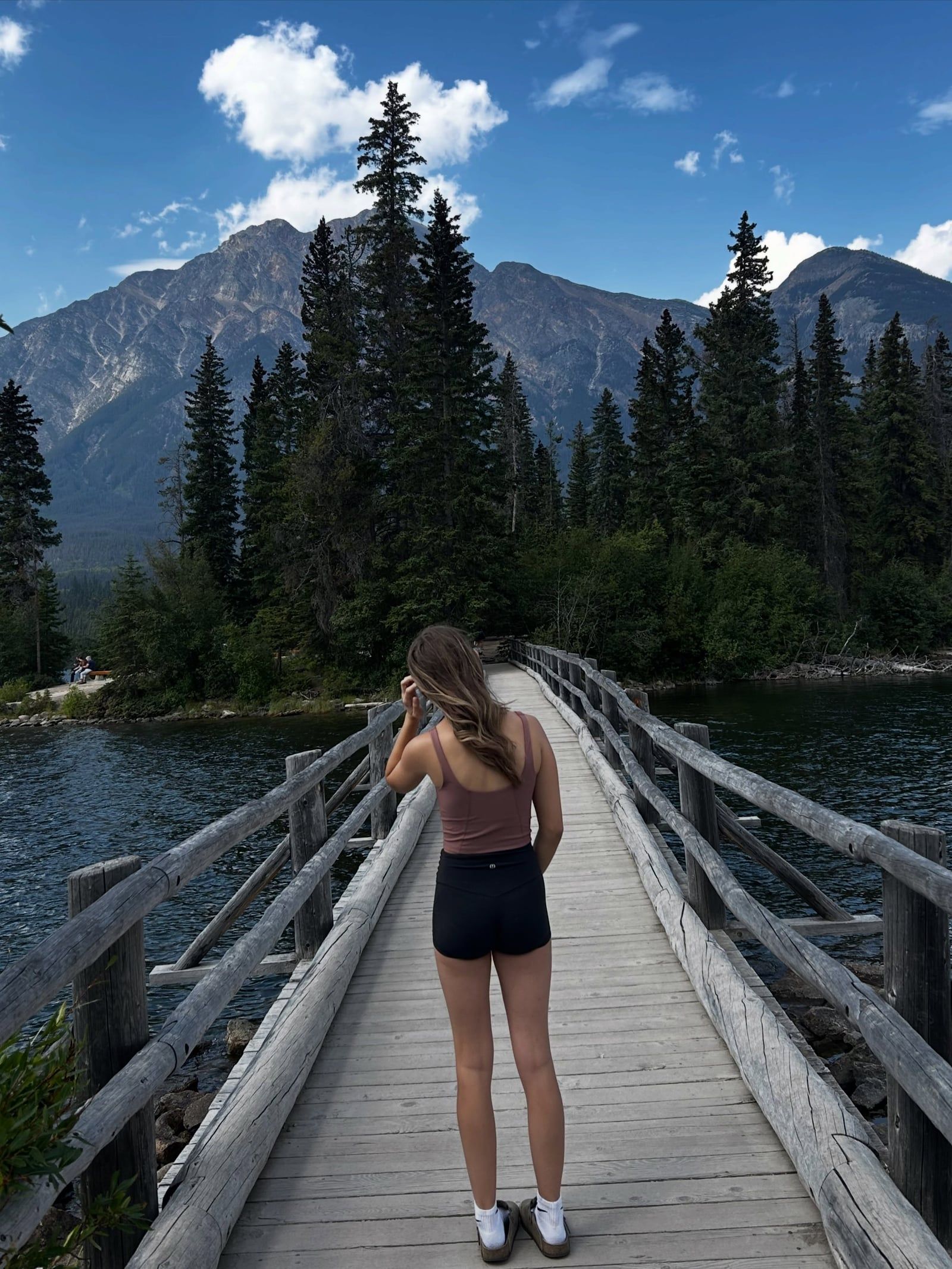
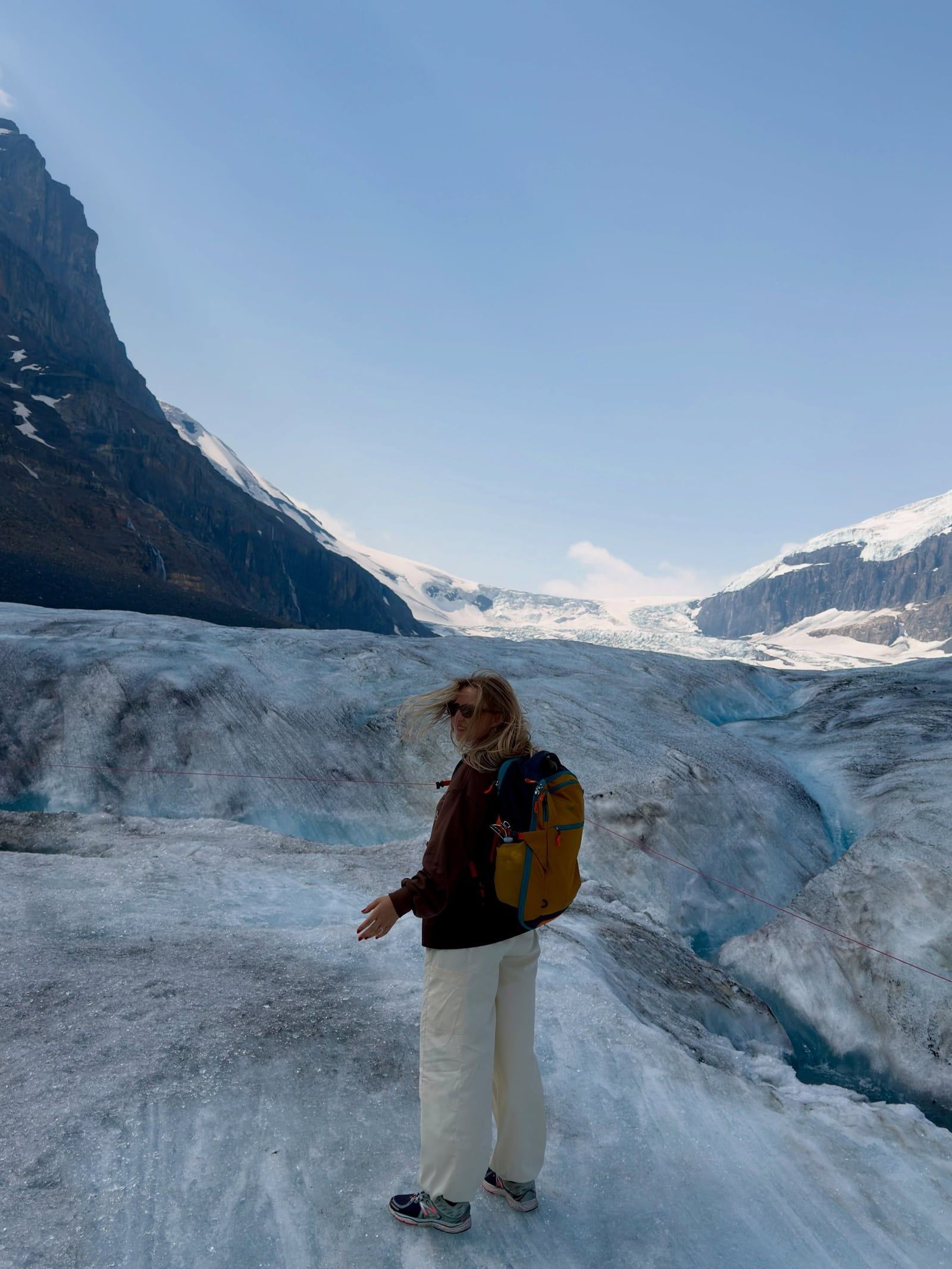
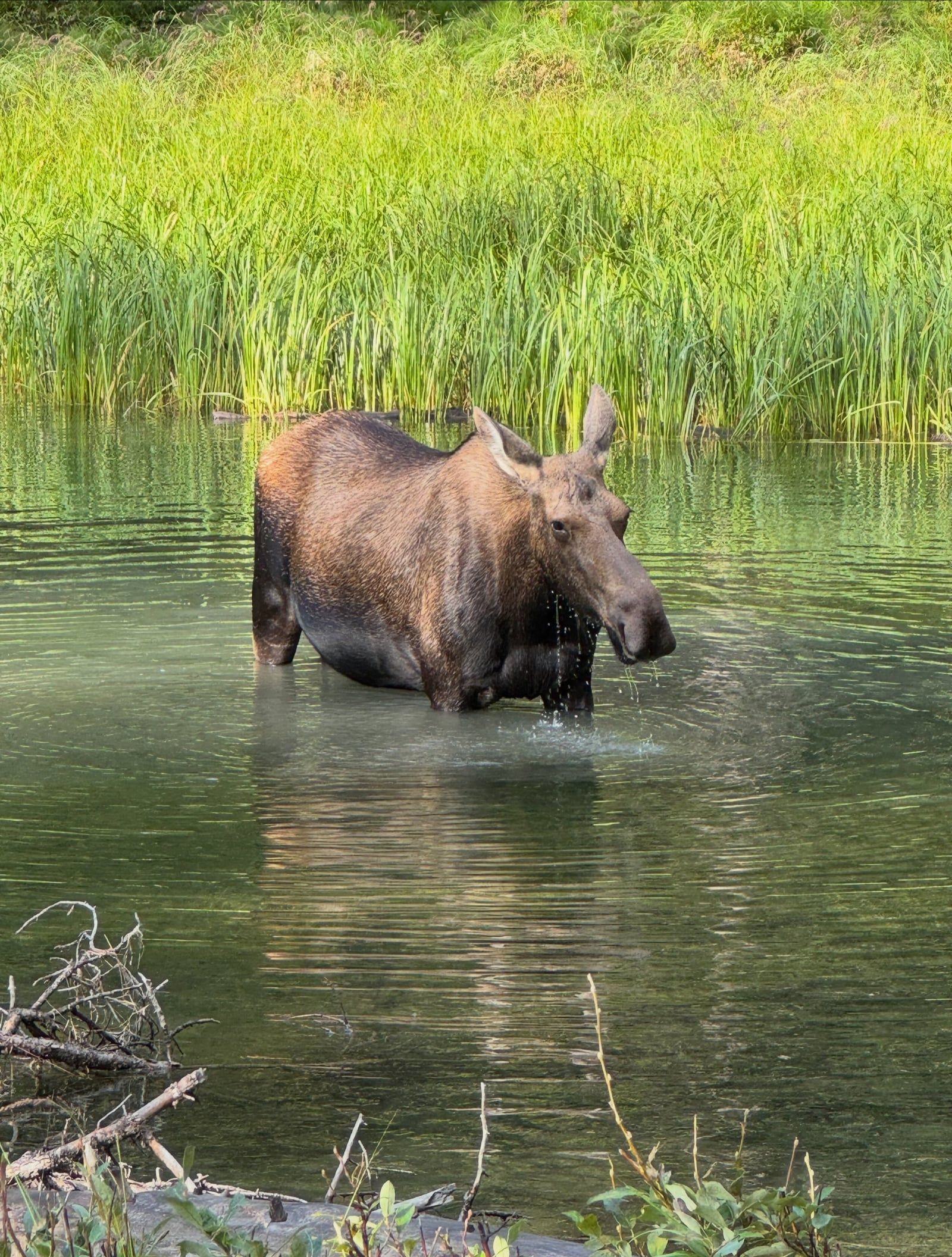
Planning advice, comparisons, and practical tips.
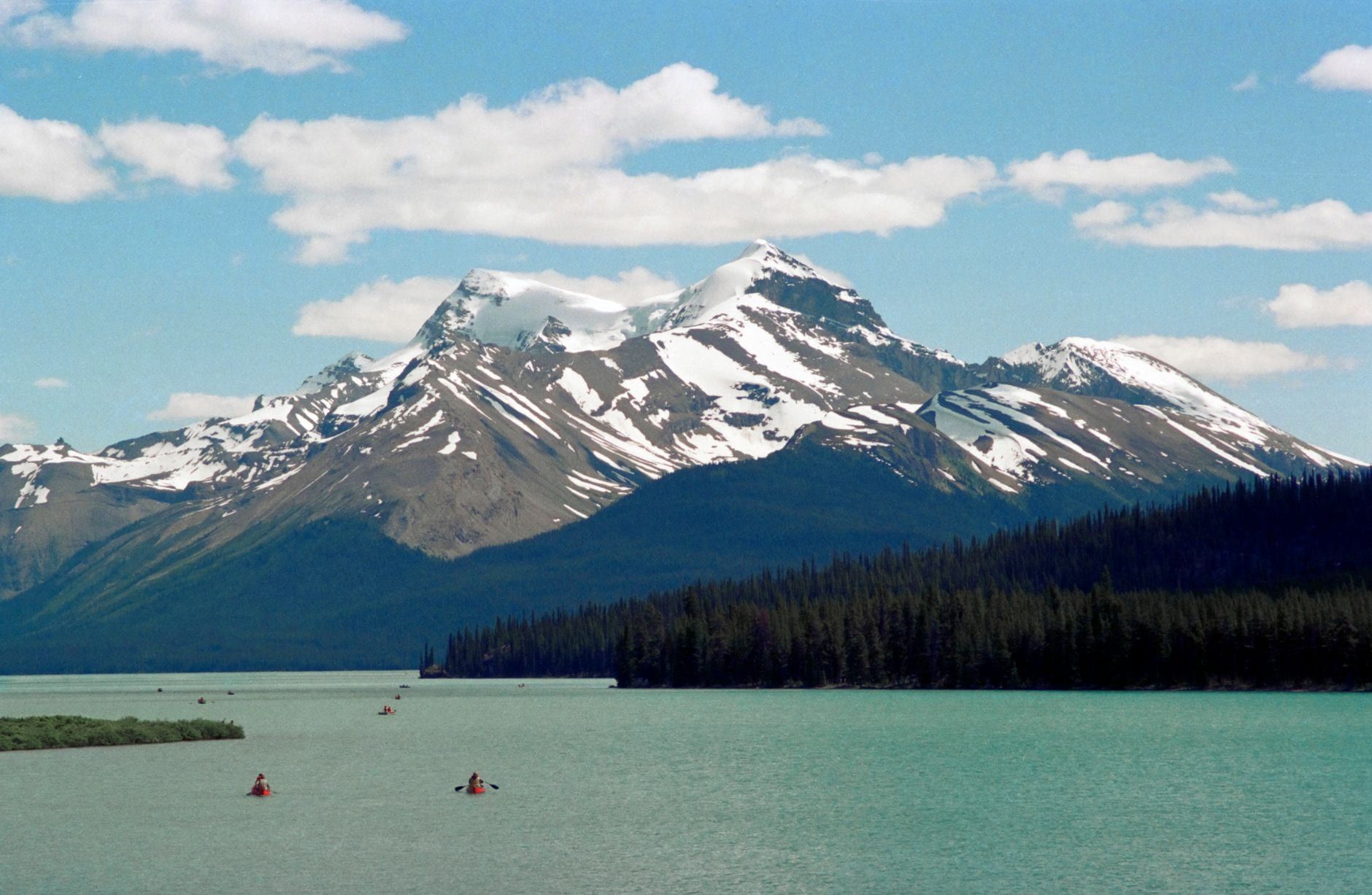
Maligne Lake is the largest natural lake in the Canadian Rockies, and for most visitors it's the best day trip out of Jasper townsite. The numbers do…
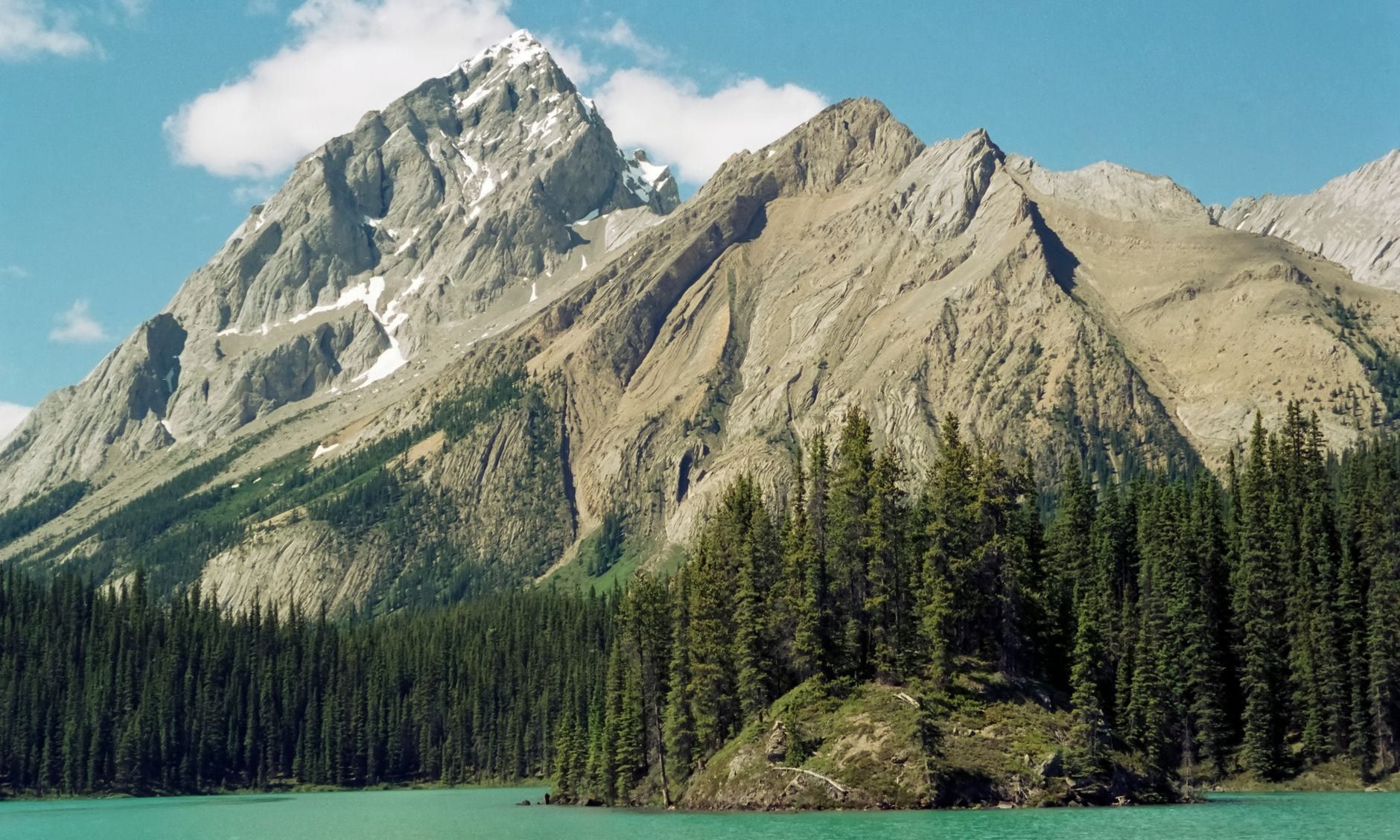
Jasper National Park is the Canadian Rockies at full scale: more than 11,000 km² of glacier, canyon and valley road wrapped around a town of about…
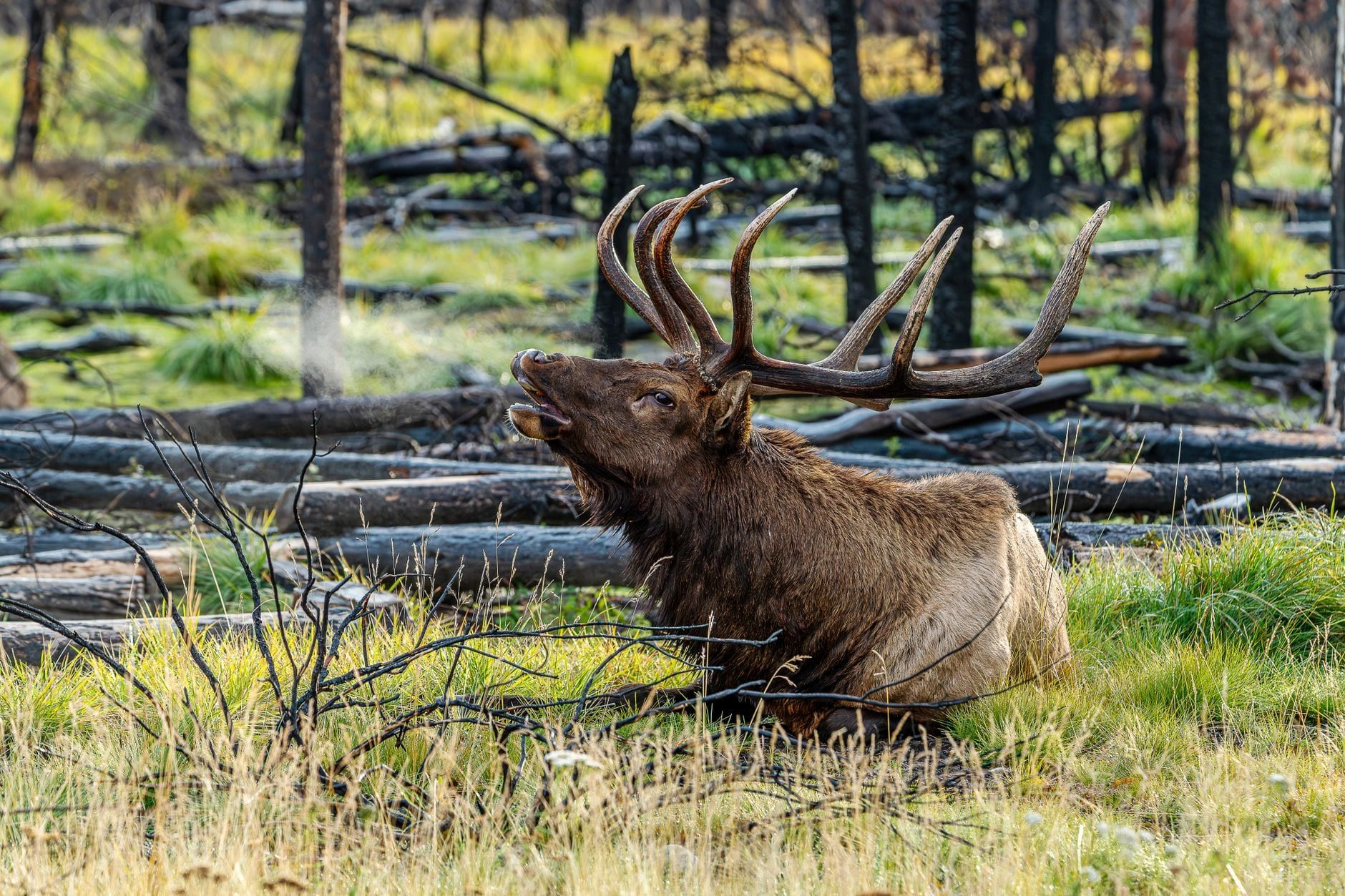
Elk graze on lawns in the Jasper townsite, black bears work the roadside ditches along the Icefields Parkway, and hoary marmots whistle from every…
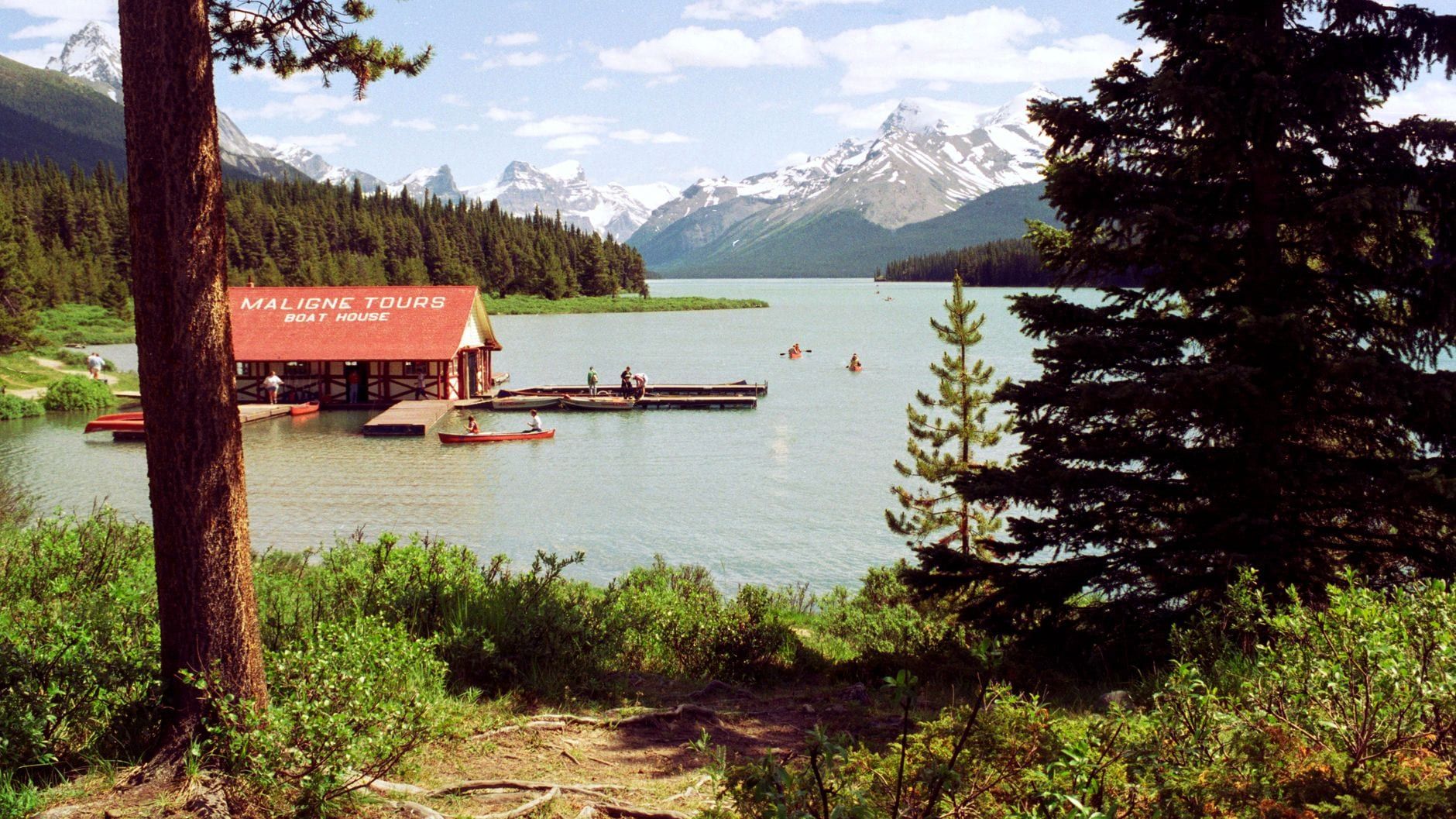
Nearly every bed in Jasper National Park sits in one of four places: the townsite itself, the Pyramid and Patricia lake roads just north of town, the…
A daily adult pass costs $12.25 CAD, while youth 17 and under enter free. Families or groups in a single vehicle pay $24.50 per day. If you plan to stay more than seven days across multiple parks, buy the $83.50 annual Discovery Pass instead.
June through September brings the warmest weather, with daily highs around 20–22°C. But July and August draw 80% of the park's annual visitors. Late May or September offers a better balance of lighter crowds and active wildlife, while winter is ideal for skiing or exploring the frozen Maligne Canyon.
Jasper doesn't have a commercial airport. You'll need to fly into Edmonton, Calgary, or Vancouver, then rent a car or book a shuttle. The drive from Edmonton is the most direct at roughly 365 kilometers, taking about four hours on Highway 16.
Yes. Backcountry permits cost $15 per person per night and are mandatory for all overnight trips. Book these and your frontcountry sites at Whistlers or Wapiti well ahead of time through reservation.pc.gc.ca, especially for July and August dates.
Bring layered clothing, a waterproof shell, and sturdy hiking boots. Mountain weather changes rapidly, and freezing overnight temperatures can happen even in mid-summer. You must also carry bear spray on every hike.
The 2.4-kilometer Lake Annette loop is completely paved, flat, and features signage at wheelchair height. Miette Hot Springs has fully accessible pool facilities. The Jasper SkyTram also offers panoramic views from 2,263 meters without requiring any hiking.
The park and townsite are open, though recovery is ongoing after the fire burned 32,722 hectares. Most trails and campgrounds are restored. Check the official trail-condition reports before heading out, since crews are still removing hazard trees and some specific areas remain closed.
Parks Canada mandates keeping a strict distance of at least 30 meters from elk, deer, and moose. For bears and other carnivores, you must stay at least 100 meters back. Elk can be particularly aggressive during the spring calving and fall rutting seasons.
Browse verified tours with free cancellation and instant confirmation.
Find Tours


